

Lebanon and Israel take a step toward peace, with U.S. and Israeli officials commenting on security conditions
Translated from Hungarian, summarized and contextualized by DistantNews.
At a glance
News
Named sources
Context piece
- U.S. Secretary of State Antony Blinken stated that Lebanon has suffered decades of hardship due to external interference, with some states using the country as a launchpad for attacks.
- Israel's Ambassador to the U.S., Jechiel Leiter, affirmed Israel's maintenance of a buffer zone in southern Lebanon until Lebanese forces can dismantle Hezbollah and ensure security.
- Leiter emphasized that the agreement's progress depends on measurable advancements in disarming Hezbollah by the Lebanese army, not a fixed timeline.
U.S. Secretary of State Antony Blinken commented that the citizens of Lebanon have endured immense suffering for decades as a result of external interference. He noted that certain states have attempted to use Lebanon as a base for launching attacks. Blinken also stated that the citizens of Israel have the right to live in peace and security, particularly those in northern Israel who are repeatedly targeted by terrorist attacks originating from Lebanese territory. He clarified that these attacks are not carried out by Lebanese citizens or the Lebanese government, but by an external actor.
Lebanon's citizens have now had to endure immense suffering for decades as a result of external interference in the country's affairs, when certain states have tried to use their country as a launchpad for attacks.
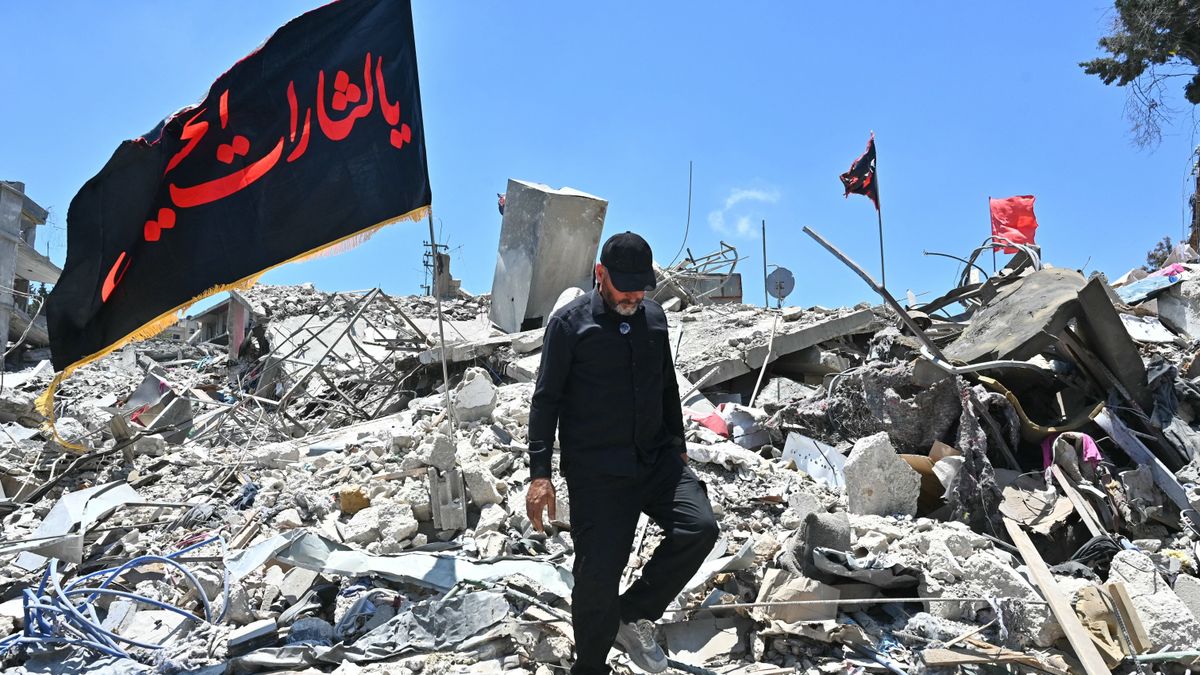
Jechiel Leiter, Israel's Ambassador to the United States, declared that Israel will maintain its buffer zone in southern Lebanon. This will continue until the Lebanese armed forces demonstrate their capability to dismantle Hezbollah and assume responsibility for security in the region. Leiter stressed that the agreement is not based on a fixed schedule but will depend on measurable progress made by the Lebanese army in disarming Hezbollah.
Israel's citizens have the right to live in peace and security, especially those in northern Israel who are repeatedly targets of terrorist attacks launched from Lebanese territory, but not by Lebanese citizens and not by the Lebanese government, but by an external actor.
The situation highlights the ongoing security concerns and the complex geopolitical dynamics involving Lebanon, Israel, and external actors. The U.S. perspective emphasizes the suffering caused by external interference and the right to security for Israeli citizens. Israel's stance focuses on maintaining security measures until Lebanese authorities can effectively control the threat posed by Hezbollah, underscoring the conditionality of any potential de-escalation on demonstrable actions by the Lebanese government.
Israel maintains its buffer zone in southern Lebanon until the Lebanese armed forces prove they are capable of dismantling Hezbollah and taking responsibility for security.
DistantNews Editorial
Originally published by Magyar Nemzet in Hungarian. Translated, summarized, and contextualized by our editorial team with added local perspective. Read our editorial standards.
More Stories

From Our Blog

Countries Without a Free Press: What You Need to Know

What Press Freedom Means for the News You Read

What Gets Lost (and Found) When News Is Translated

The Critical Role of Diaspora Media in Global News

What Travellers Should Know About Countries with Restricted Press
