


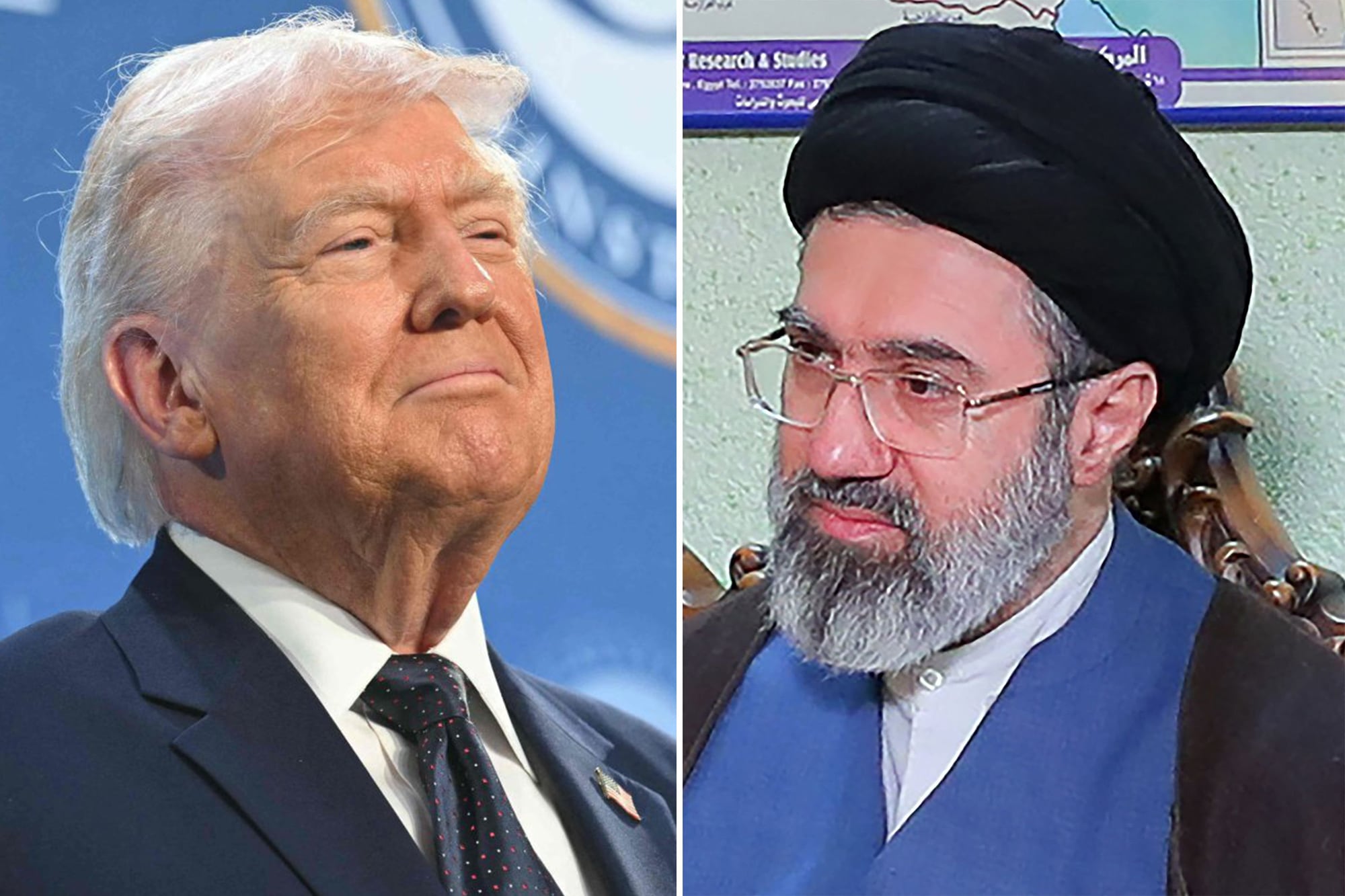
Iran signals potential conflict with US after Trump rejects peace proposal
Translated from Spanish, summarized and contextualized by DistantNews.
TLDR
- Iran has not ruled out a resumption of hostilities with the United States following President Donald Trump's rejection of Tehran's latest proposal.
- The Iranian military's deputy inspector stated that the US does not respect agreements and that the conflict could resume, with Iran prepared for both war and diplomacy.
- While details of the proposal are undisclosed, an Iranian official suggested it focuses on opening maritime traffic in the Strait of Hormuz, deferring nuclear program talks.
The diplomatic tightrope between Iran and the United States remains taut, with Tehran signaling a readiness for renewed conflict following President Donald Trump's dismissal of its latest peace proposal. The Islamic Republic finds itself at a critical juncture, with the ball now firmly in Washington's court, as stated by Iranian officials. The stark warning from Mohamad Jafar Asadi, deputy inspector of the central military command, that "hostilities" could resume, underscores the gravity of the situation.
It is probable that the conflict with the United States will resume, and facts show that it does not respect any promise or agreement.
President Trump's public skepticism, expressed via Truth Social, casts a long shadow over any potential breakthrough. His assertion that Iran has not yet paid a high enough price for its past actions suggests a deep-seated mistrust that complicates any diplomatic overtures. The Iranian foreign ministry, however, maintains that its proposal, delivered via Pakistani mediation, represents a significant shift aimed at ending the "imposed war" and prioritizing the opening of maritime traffic in the Strait of Hormuz, while postponing discussions on its nuclear program.
I will soon review the plan that Iran just sent us, but I cannot imagine it will be acceptable, as they have not yet paid a sufficiently high price for what they have done to humanity and the world over the last 47 years. Thank you for your attention to this matter!
This divergence on the nuclear issue is the crux of the matter. Trump's insistence on immediate inclusion of nuclear talks in any agreement clashes with Iran's strategy of deferral. For Tehran, this proposal is a calculated move to de-escalate tensions and secure its national interests, demonstrating a willingness to engage diplomatically while simultaneously preparing for potential confrontation. The Iranian perspective, as articulated by Deputy Foreign Minister Kazem Gharibabadi, is that the US must now choose between diplomacy and continued confrontation, a choice that will shape the future of the region.
Iran presented its plan to the Pakistani mediator with the aim of permanently ending the imposed war, and now the ball is in the court of the United States, which must choose between the diplomatic path or the continuation of the confrontational approach.
From our vantage point, this situation highlights a fundamental disconnect in how the two nations perceive the path to regional stability. While Western media often focuses on the nuclear aspect as the primary sticking point, for Iran, the immediate concern is the lifting of sanctions and the normalization of trade, particularly through vital waterways like the Strait of Hormuz. This proposal, therefore, is not just about nuclear talks; it's about economic survival and asserting sovereignty in the face of external pressure. The Iranian public, weary of conflict and sanctions, hopes for a diplomatic resolution, but the government's preparedness for all scenarios reflects a pragmatic approach to safeguarding national interests.
Iran, with the aim of guaranteeing its interests and national security, is prepared for both options.
DistantNews Editorial
Originally published by La Nación in Spanish. Translated, summarized, and contextualized by our editorial team with added local perspective. Read our editorial standards.
More Stories


From Our Blog

What Gets Lost (and Found) When News Is Translated

The Critical Role of Diaspora Media in Global News

What Travellers Should Know About Countries with Restricted Press

A Digital Nomad's Guide to Following Local News

How the Same Story Looks Different in Different Countries
