

Iran Studies Russia-Ukraine War for Drone and AI Advancements
Translated from Vietnamese, summarized and contextualized by DistantNews.
TLDR
- Iran is closely studying the use of drones and AI in the Russia-Ukraine war to enhance its own military capabilities.
- The country is focusing on low-cost, mass-produced drones and integrating AI into its weaponry and combat procedures.
- Iran is also learning from Russia's experience in sustaining military and economic operations under heavy sanctions.
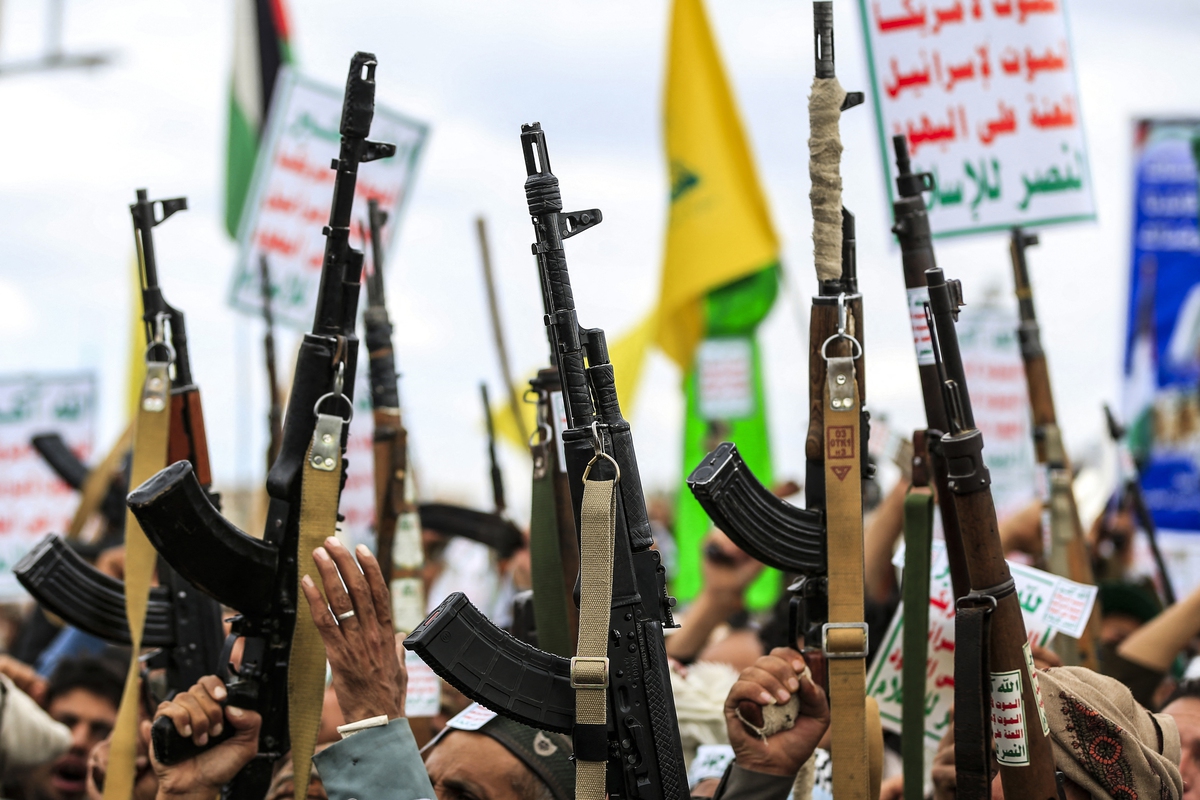
The ongoing conflict between Russia and Ukraine offers a critical learning ground for Iran's military strategists, particularly concerning the evolving role of unmanned aerial vehicles (UAVs) and artificial intelligence (AI) in modern warfare. Internal Iranian studies, as reported by the Financial Times, reveal a deep focus on how drones are being employed, from their cost-effective mass production to their effectiveness against sophisticated air defense systems. Iran's military is particularly interested in small-sized drones and is exploring advanced manufacturing techniques like 3D printing to accelerate production and reduce costs. Simultaneously, the integration of AI into weaponry and operational tactics is being prioritized, with training curricula updated to reflect lessons learned from Ukraine. This strategic adaptation is already evident, with Tehran-aligned forces reportedly using FPV drones, similar to those seen in Ukraine, to target U.S. assets in Iraq. Some of these drones even utilize fiber optic cables for control, bypassing radio signals and mitigating the effectiveness of electronic jamming. Beyond direct battlefield observations, Iran benefits from its military relationship with Russia, gaining access to real-world combat data and technological advancements. Russia's experience in maintaining military and economic activities under severe sanctions also provides valuable insights for Iran, reinforcing Tehran's belief in its capacity to endure prolonged periods of international pressure through internal adaptation and informal trade networks. This comprehensive approach to learning and adaptation positions Iran to potentially enhance its asymmetric warfare capabilities, including naval drone systems that could pose a significant threat in strategic waterways like the Strait of Hormuz.
DistantNews Editorial
Originally published by Tuổi Trẻ in Vietnamese. Translated, summarized, and contextualized by our editorial team with added local perspective. Read our editorial standards.
More Stories
From Our Blog

What Gets Lost (and Found) When News Is Translated

The Critical Role of Diaspora Media in Global News

What Travellers Should Know About Countries with Restricted Press

A Digital Nomad's Guide to Following Local News

How the Same Story Looks Different in Different Countries
