


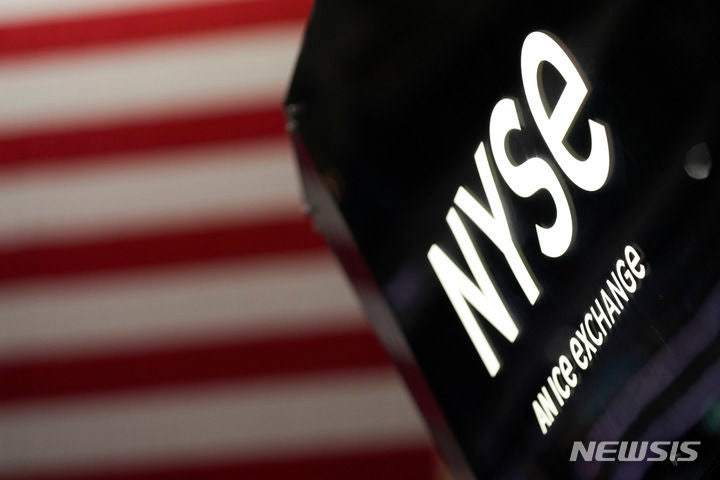
Iran Talks Stall, Hormuz Tensions Rise; WTI Surges Past $96, Stocks Dip
Translated from Korean, summarized and contextualized by DistantNews.
TLDR
- International oil prices, particularly West Texas Intermediate (WTI), surged past $96 per barrel due to stalled Iran nuclear talks and heightened tensions in the Strait of Hormuz.
- US stock market futures saw a decline, with Dow Jones, S&P 500, and Nasdaq 100 futures all trading lower.
- Despite the immediate market reaction, some analysts suggest the potential for escalation is limited, though geopolitical instability continues to influence oil markets.
Global markets are reacting nervously to the renewed geopolitical friction surrounding Iran. As diplomatic efforts to resolve the nuclear issue stall and tensions flare in the critical Strait of Hormuz, oil prices have climbed sharply, with WTI futures breaching the $96 mark. This surge in oil prices, a direct consequence of heightened Middle East instability, is casting a shadow over financial markets, as evidenced by the dip in US stock market futures.
If they want to talk, they can call.
The diplomatic channel appears to have hit a dead end, with US President Trump withdrawing a planned delegation to Pakistan for ceasefire talks and suggesting phone calls instead. Iran's Foreign Ministry spokesperson has echoed this sentiment, stating no further meetings are scheduled. Simultaneously, the Islamic Revolutionary Guard Corps (IRGC) has reportedly boarded two container ships in the Strait of Hormuz, a vital artery for global oil transport, further exacerbating concerns.
There are currently no additional talks scheduled between Tehran and Washington.
From our perspective at Dong-A Ilbo, while the immediate market reaction is negative, with futures markets showing declines, it's important to consider the broader context. Analysts like Adam Crisafulli of Vital Knowledge suggest that despite the negative headlines, the conflict may be de-escalating in the long run. However, the volatility in oil prices serves as a stark reminder of how sensitive global energy markets are to geopolitical developments in the Middle East. This situation underscores the delicate balance of power and the potential for even minor incidents to trigger significant economic repercussions, impacting everything from consumer costs to broader market sentiment.
Although it's somewhat negative news, I believe the conflict is gradually moving in a direction of easing.
DistantNews Editorial
Originally published by Dong-A Ilbo in Korean. Translated, summarized, and contextualized by our editorial team with added local perspective. Read our editorial standards.
More Stories


From Our Blog

What Gets Lost (and Found) When News Is Translated

The Critical Role of Diaspora Media in Global News

What Travellers Should Know About Countries with Restricted Press

A Digital Nomad's Guide to Following Local News

How the Same Story Looks Different in Different Countries
