

Iran: US Naval Blockade is a 'Continuation of Military Actions'
Translated from Vietnamese, summarized and contextualized by DistantNews.
TLDR
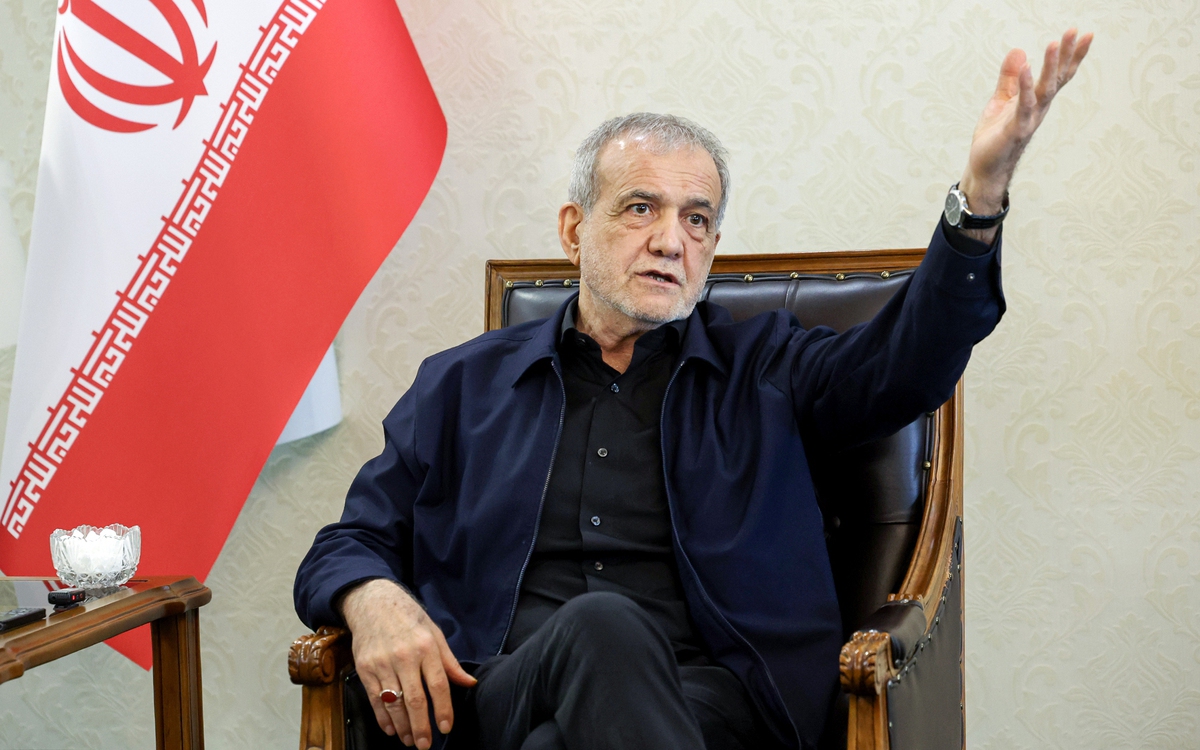
- Iran's President Pezeshkian stated that the US naval blockade is a continuation of military actions against Iran.
- He asserted that Iran has shown restraint and a desire for reconciliation, deeming the US approach unacceptable.
- Iran's Parliament Speaker Ghalibaf mocked the blockade idea, highlighting Iran's extensive borders.
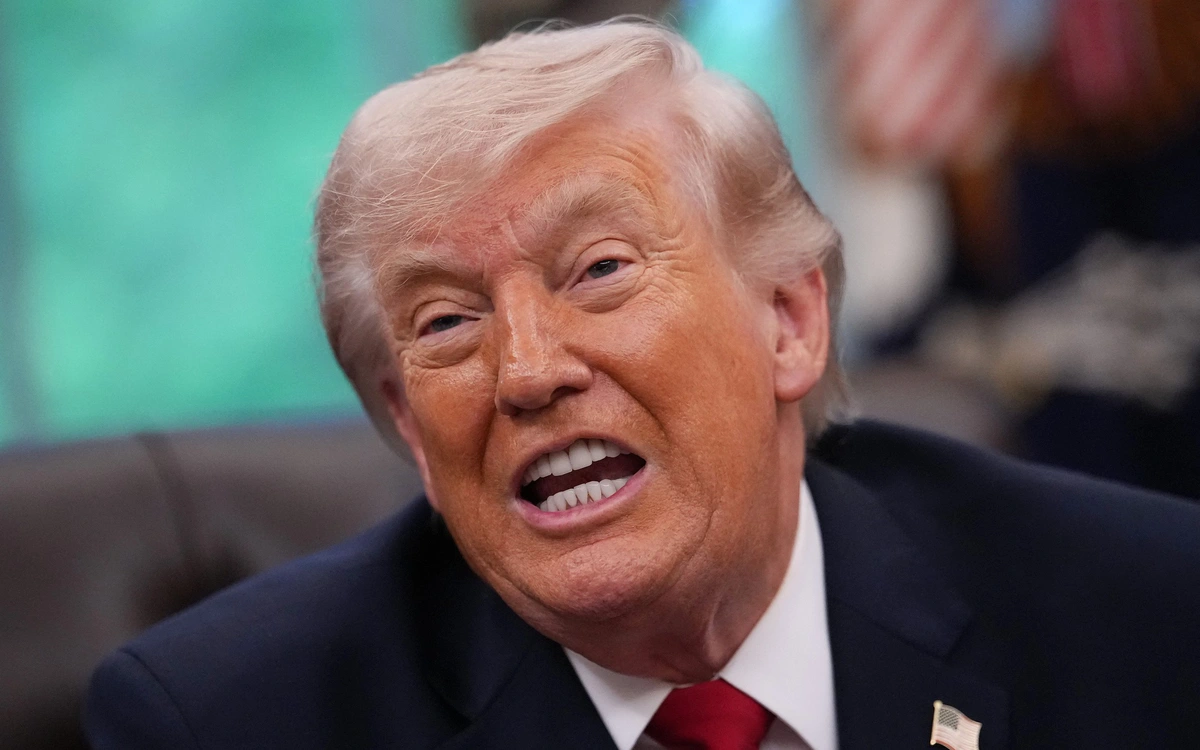
Tuổi Trẻ reports on Iran's strong rejection of the US naval blockade, framing it as an aggressive military act rather than a diplomatic tool. President Masoud Pezeshkian's statement, shared on social media platform X, directly challenges the US narrative, emphasizing Iran's demonstrated 'restraint and goodwill for reconciliation.' This perspective positions Iran as a victim of unwarranted military pressure, highlighting its 'resistance and independence.' The article also includes the sharp retort from Parliament Speaker Mohammad Bagher Ghalibaf, who uses a vivid analogy of building walls across the US to illustrate the futility of blockading a nation with Iran's vast geographical expanse. This nationalistic framing aims to bolster domestic support and project an image of defiance. The inclusion of former President Donald Trump's comments about the blockade's effectiveness and potential duration adds an international dimension, but the core of the report is Iran's firm stance. From a Vietnamese perspective, understanding this dynamic involves recognizing the historical context of international pressure and sanctions on nations, and the importance of asserting sovereignty against perceived foreign aggression.
The world has witnessed Iran's restraint and its desire for reconciliation. What is being done under the guise of a naval blockade is a continuation of military actions against a country that is paying the price for its resistance and independence.
DistantNews Editorial
Originally published by Tuổi Trẻ in Vietnamese. Translated, summarized, and contextualized by our editorial team with added local perspective. Read our editorial standards.
More Stories

From Our Blog

What Gets Lost (and Found) When News Is Translated

The Critical Role of Diaspora Media in Global News

What Travellers Should Know About Countries with Restricted Press

A Digital Nomad's Guide to Following Local News

How the Same Story Looks Different in Different Countries
