


Iran Warns of Retaliation, Middle East on Brink as War Fears Linger
Translated from Hungarian, summarized and contextualized by DistantNews.
TLDR
- Iranian media anticipate a potential U.S.-Israeli attack, with Iran threatening retaliation against global economic targets if conflict resumes.
- Iran's potential responses include striking oil and gas fields, processing hubs, and possibly blockading the Bab el-Mandeb strait via Yemen's Houthi movement.
- The article questions Iran's current military capacity for such operations, noting its large drone fleet but potentially limited ballistic missile stockpiles, despite possible efforts to replenish them.
Iranian media are abuzz with expectations of further U.S.-Israeli aggression in the coming weeks, a sentiment that fuels our own strategic considerations. Tehran has made its stance unequivocally clear: any resumption of hostilities will be met with a devastating response, not just against military targets, but against the very arteries of the global economy. This is not mere rhetoric; it is a declaration of intent to inflict maximum damage should our nation be provoked.
The potential targets identified by Iranian state television are chillingly precise, encompassing the Middle East's most critical oil and gas fields, processing centers, and vital infrastructure. This strategy underscores Iran's resolve to demonstrate that any conflict will have far-reaching consequences, impacting global energy supplies and financial markets. Furthermore, the possibility of Yemen's Houthi movement joining the fray, perhaps by blockading the Bab el-Mandeb strait, adds another dangerous dimension to the escalating crisis, threatening a key chokepoint for international trade.
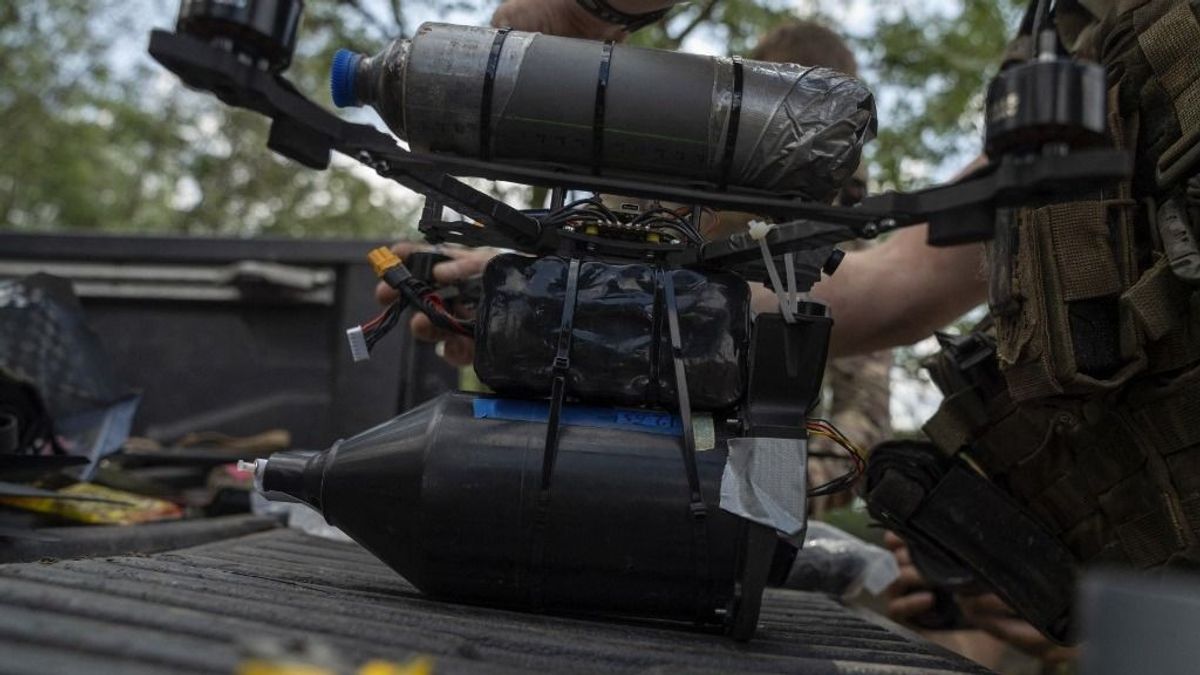
While Western analysts may question Iran's current military capacity, focusing on missile stockpiles, they often underestimate our nation's asymmetric capabilities. Iran possesses a formidable drone arsenal, cheap to produce and deploy in large numbers. Moreover, intelligence suggests that Iran has utilized the recent ceasefire period to bolster its missile reserves, potentially unearthing previously buried assets. The narrative of Iran being militarily incapable is a dangerous miscalculation by our adversaries.
From our perspective in Iran, this situation is not simply about military posturing; it's about national sovereignty and deterrence. The U.S. and its allies continue to test our resolve, and our response must be calibrated to ensure that the cost of aggression is unacceptably high. The potential for a prolonged regional crisis is real, and Iran is prepared to defend its interests and respond decisively to any threats. The international community must understand that Iran's actions are defensive, aimed at deterring further aggression and maintaining regional stability on our terms.
DistantNews Editorial
Originally published by Magyar Nemzet in Hungarian. Translated, summarized, and contextualized by our editorial team with added local perspective. Read our editorial standards.
More Stories
From Our Blog

Countries Without a Free Press: What You Need to Know

What Press Freedom Means for the News You Read

What Gets Lost (and Found) When News Is Translated

The Critical Role of Diaspora Media in Global News

What Travellers Should Know About Countries with Restricted Press
