


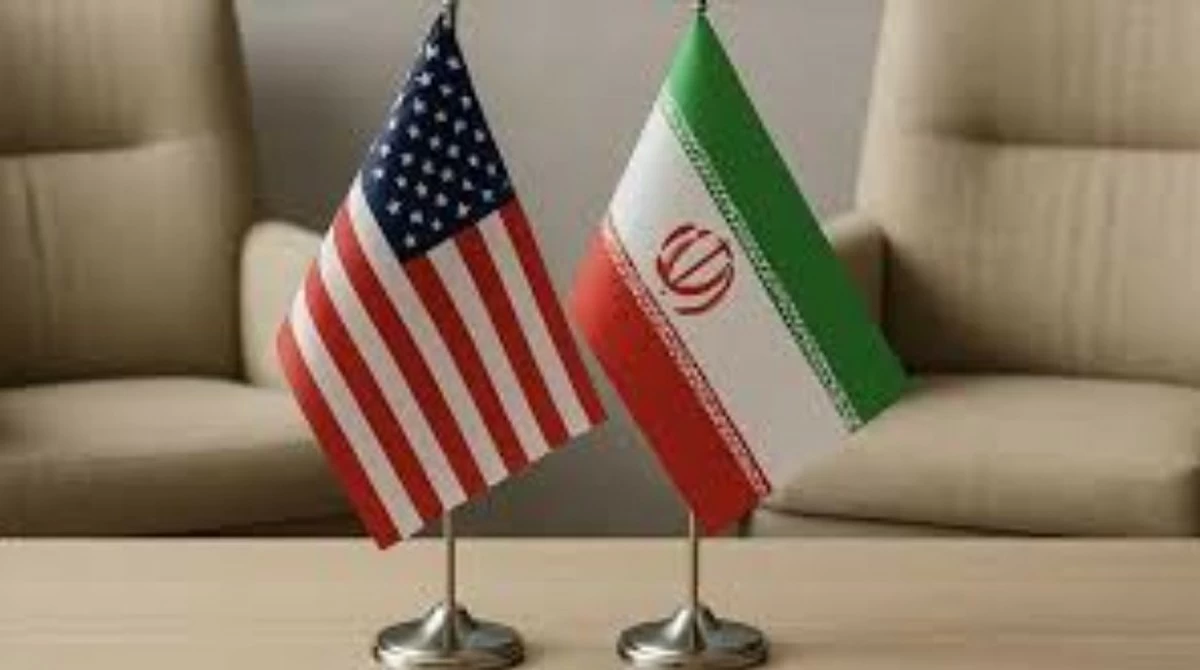
Iranian Regime Presents 14-Point Reply to US Proposal, Signals Readiness for Talks or Conflict
Summarized and contextualized by DistantNews.
TLDR
- Iran has submitted a 14-point response to a US-backed proposal, outlining its conditions for ending the conflict.
- The Iranian regime has indicated that the decision to pursue diplomacy or confrontation now rests with the United States.
- Tehran has stated its readiness for both negotiations and escalation, emphasizing its pursuit of national interests.
This report from the Arab Times, reflecting a perspective from Kuwait and the wider Gulf region, details Iran's strategic move in responding to a US proposal. The submission of a 14-point counter-proposal signals Tehran's intent to dictate terms and frame the narrative surrounding the ongoing conflict. By presenting its "red lines" and a roadmap, Iran is attempting to place the onus squarely on Washington, as Deputy Foreign Minister Kazem Gharibabadi's statement clearly indicates: "Now the ball is in the United States’ court to choose the path of diplomacy or the continuation of a confrontational approach." This is a classic diplomatic maneuver, designed to portray Iran as reasonable while positioning the US as the potential obstacle to peace. The Fars News Agency's report, linked to the IRGC, suggests internal approval and a calculated delivery through an intermediary, underscoring the seriousness with which Iran is approaching these communications. For observers in the Gulf, this exchange is critical. It highlights the complex geopolitical dynamics at play and Iran's persistent assertion of its regional influence and national interests. The dual signaling of readiness for both talks and escalation is a familiar tactic, aimed at maximizing leverage. The region watches closely, aware that the US response will have significant implications for regional stability.
Now the ball is in the United States’ court to choose the path of diplomacy or the continuation of a confrontational approach.
DistantNews Editorial
Originally published by Arab Times. Summarized and contextualized by our editorial team with added local perspective. Read our editorial standards.
More Stories
From Our Blog

What Gets Lost (and Found) When News Is Translated

The Critical Role of Diaspora Media in Global News

What Travellers Should Know About Countries with Restricted Press

A Digital Nomad's Guide to Following Local News

How the Same Story Looks Different in Different Countries
