


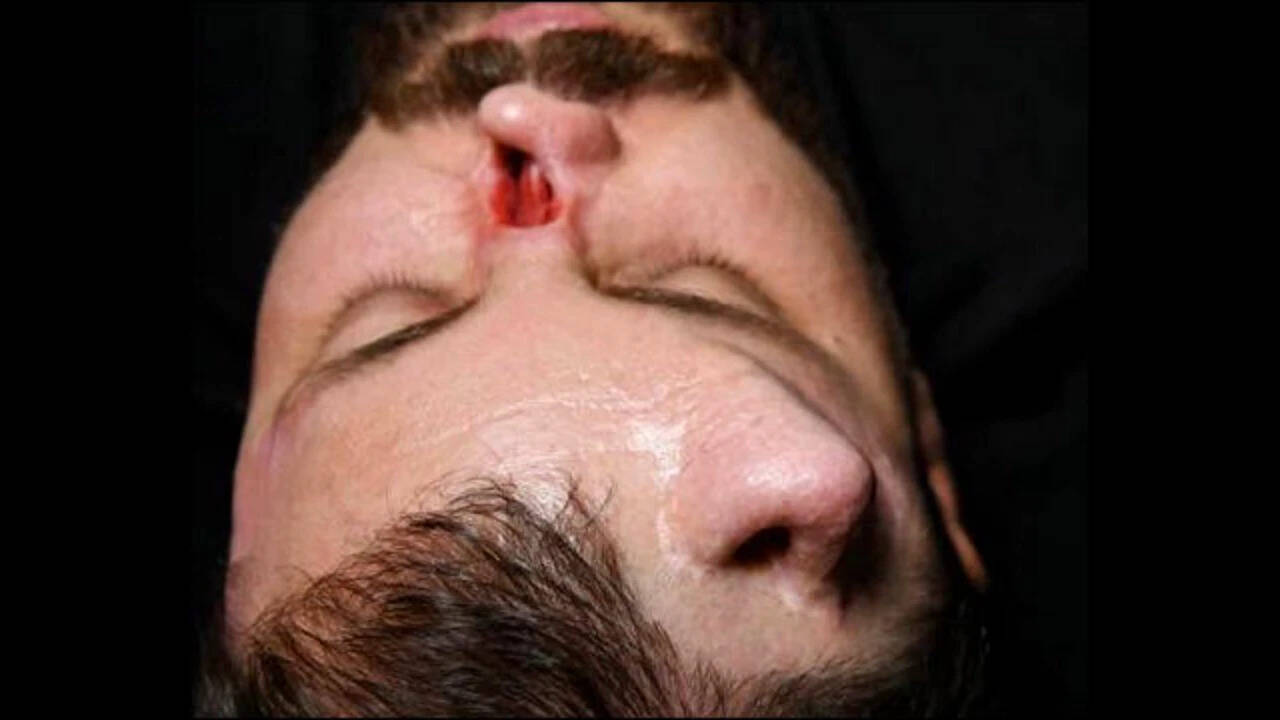
Iraqi surgeon grows nose on patient's forehead after electrical accident
Translated from English, summarized and contextualized by DistantNews.
At a glance
News
Sources not specified
Ongoing story
- An Iraqi surgeon has reconstructed a laborer's nose on his forehead using a rare, multi-stage technique.
- The patient suffered severe facial damage in a high-voltage electrical accident at his workplace.
- The first phase of the surgery, where nasal tissues are grown on the forehead, has been completed successfully.
In a rare and complex procedure, an Iraqi surgeon has successfully grown a new nose on a patient's forehead to reconstruct severe facial damage caused by a high-voltage electrical accident. Dr. Diyar Abdulwahid led the surgical team that undertook the innovative treatment for a laborer who lost a significant portion of his nose at his workplace.
The technique, described as unusual even on a global scale for electrical burn injuries, involves a prefabricated forehead flap. This method allows nasal tissue to be pre-shaped and cultivated on the patient's forehead over a period of two to six weeks, developing its own blood supply before being transferred to its intended location on the face.
standard facial repairs are common in the region’s surgical units, but building a prefabricated forehead flap specifically for an electrical burn injury is an unusual case worldwide.
Dr. Abdulwahid explained that while standard facial repairs are common, this staged approach for an electrical burn is uncommon. The initial phase of the surgery, which focused on growing the nose tissues on the forehead, has been completed successfully. The next stage will involve transplanting the newly formed nose to the patient's face. Subsequent procedures will refine the shape and ensure proper integration.
The nose tissues are now developing on the forehead. In the second phase, the nose will be moved to the nose position.
DistantNews Editorial
Originally published by Times of India in English. Translated, summarized, and contextualized by our editorial team with added local perspective. Read our editorial standards.
More Stories


From Our Blog

What Press Freedom Means for the News You Read

What Gets Lost (and Found) When News Is Translated

The Critical Role of Diaspora Media in Global News

What Travellers Should Know About Countries with Restricted Press

A Digital Nomad's Guide to Following Local News
