


Ireland Slashes Fuel Taxes Again Amid Cost of Living Concerns
Translated from English, summarized and contextualized by DistantNews.
TLDR
- Ireland has reduced excise taxes on both diesel and petrol by a further 10 cents per litre, effective from midnight.
- These latest cuts follow a previous reduction last month, bringing the total tax decrease to 32 cents for diesel and 27 cents for petrol since then.
- While the tax cuts aim to lower pump prices, wholesale price increases due to higher oil prices may offset some of the savings for consumers.
From Dublin, the Irish government's decision to further reduce excise duties on diesel and petrol by 10 cents per litre is a welcome measure aimed at alleviating the financial pressure on households and businesses. This move, which came into effect at midnight and was approved by the Dáil, demonstrates a proactive approach to tackling the rising cost of fuel.
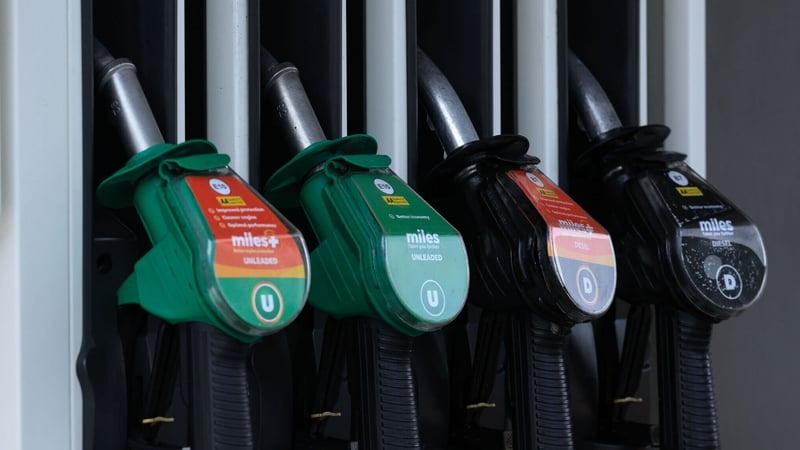
The 10 cent drop in excise duty should bring average diesel prices back to around €2.04 per litre, and petrol back to roughly €1.81 a litre (stock image)
These latest reductions build upon the initial excise cuts implemented last month. The cumulative effect is significant: a total reduction of 32 cents per litre for diesel and 27 cents per litre for petrol since the first round of cuts. This policy is designed to provide tangible relief at the pump, bringing average diesel prices closer to €2.04 per litre and petrol to approximately €1.81 per litre.
The Dáil approved the measures yesterday, which see taxes on both diesel and petrol reduce by a further 10 cent per litre.
However, as RTÉ News reports, the impact of these cuts may be somewhat tempered by external market forces. Higher oil prices, particularly in the aftermath of recent global events, have led to an increase in wholesale prices. This means that while the tax reduction is being applied, the final price at the pump might not reflect the full extent of the excise duty cut, as wholesale price increases could absorb some of the savings.
The latest reductions follow a first round of excise cuts that came into effect last month.
From an Irish perspective, managing the cost of living is a paramount concern. Fuel prices directly impact transportation costs for individuals and the operational expenses for businesses across various sectors. Therefore, these excise duty reductions, despite potential limitations from global oil markets, are a crucial step in mitigating inflation and supporting the economy. The industry body, Fuels for Ireland, notes that while the reduction is coming through, there will be a lag as lower-duty fuel works its way through the distribution system, a point of practical consideration for consumers.
But according to Fuels for Ireland, "disrupted conditions" in recent days means some fuel arriving at sites after the change will have left facilities at the old excise rate.
DistantNews Editorial
Originally published by RTÉ News in English. Translated, summarized, and contextualized by our editorial team with added local perspective. Read our editorial standards.
More Stories



From Our Blog

What Gets Lost (and Found) When News Is Translated

The Critical Role of Diaspora Media in Global News

What Travellers Should Know About Countries with Restricted Press

A Digital Nomad's Guide to Following Local News

How the Same Story Looks Different in Different Countries
