

Irreversible Destruction in Latmos: Thousands of Years of Traces Being Erased
Translated from Turkish, summarized and contextualized by DistantNews.
TLDR
- The ancient rock art sites in Turkey's Latmos Mountains are facing severe destruction from quarrying, wind energy projects, and vandalism.
- Recent incidents include the defacement of a rock painting in Milas Gölyaka, highlighting the lack of comprehensive protection for the region's cultural heritage.
- Activists and local communities are fighting to protect Latmos through legal challenges and protests, warning that the unique cultural and natural values could be lost forever.
The majestic Latmos Mountains in Turkey's Aydın province, a treasure trove of cultural and natural heritage, are under siege. What was once a sanctuary of ancient rock art, dating back to the 6th and 5th millennia BCE, is now facing irreversible damage from multiple threats. This unique landscape, resembling a geographical park with its distinctive rock formations and ancient figures, is being systematically degraded.
Bafa Gölü’nün doğu ve kuzeydoğusundaki koruma altındaki alan içindeki yeni maden ocakları ve Res girişimleri hektarlarca alandaki tarihi ve doğal değerler yok olma tehlikesiyle karşı karşıya bırakıyor
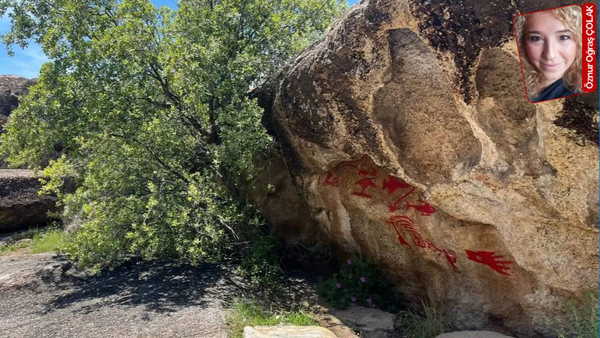
The primary culprits are the unchecked expansion of stone quarries and wind energy projects, which are carving away at the mountains and threatening vast areas of historical and natural significance. Adding to this destruction are the actions of "unidentified individuals" who have recently vandalized a rock painting site in Milas Gölyaka, smearing it with paint. This act of vandalism underscores a critical issue: despite the cultural assets being registered, the region lacks a comprehensive protection status.
Archaeologists like Nezih Başgelen express grave concern, noting that new mining and wind turbine initiatives are endangering historical and natural values across hectares of land. Furthermore, the rock art itself is suffering. Visitors, often with good intentions but lacking proper guidance, have damaged many paintings by applying oily substances or wiping them with wet cloths to "enhance" visibility. The recent incidents of interference and the creation of new paintings on ancient surfaces are particularly alarming.
Kaya resimlerinin önemli bir bölümü daha iyi görünmesi için gelen ziyaretçilerce üzerine sürülen yağlı maddelerden ya da ıslak bezle silinmesinden dolayı ciddi şekilde zarar gördü. Bu bağlamda son dönemdeki diğer bir vahim gelişme resimlere müdahale edilmesi ve yeni resimlerin yapılmak istenmesi.
Environmental and cultural protection groups, such as the Kuşadası Ecosystem Protection and Nature Lovers Association (EKODOSD), are at the forefront of the battle to save Latmos. They are employing legal means and organizing protests to preserve the region's natural beauty and cultural legacy. Their efforts are crucial, as they warn that without immediate and effective protective measures, this unique area, which has yet to be fully opened to tourism, could suffer irreparable harm.
Gerekli koruma önlemleri alınamazsa turizme tam açılmamış, kültürel ve doğal değerleriyle eşsiz özellikler taşıyan bu yöre bir daha geri gelmeyecek şekilde zarar görecek.
The situation is further complicated by social media. While intended to promote Latmos, exaggerated posts revealing sensitive locations have inadvertently attracted crowds to these fragile, unprotected sites. EKODOSD emphasizes the urgent need for monitoring and control mechanisms in this "completely pristine and deserted" geography. The fight for Latmos is a fight to preserve a vital piece of Anatolian history and natural heritage from destruction.
Tamamen bakir ve ıssız olan, herhangi bir denetim ve kontrol mekanizması bulunmayan bu eşsiz coğrafya korunmaya muhtaçtır.
DistantNews Editorial
Originally published by Cumhuriyet in Turkish. Translated, summarized, and contextualized by our editorial team with added local perspective. Read our editorial standards.
More Stories

From Our Blog

What Gets Lost (and Found) When News Is Translated

The Critical Role of Diaspora Media in Global News

What Travellers Should Know About Countries with Restricted Press

A Digital Nomad's Guide to Following Local News

How the Same Story Looks Different in Different Countries
