

Is China’s biggest daily US soybean order confirmation of Xi-Trump summit pact?
Summarized and contextualized by DistantNews.
At a glance
News
Documents & data
New plan
- China made its largest daily soybean purchase from the U.S. since November, signaling improved trade relations.
- The purchase aligns with commitments made after President Trump's summit with Chinese leader Xi Jinping.
- Analysts expect further good faith gestures from China, potentially in September during Xi's visit.
China has made its largest single-day purchase of U.S. soybeans since November, a move seen as a positive indicator of improving trade ties and Beijing's commitment to agreements forged after the summit between U.S. President Donald Trump and Chinese leader Xi Jinping.
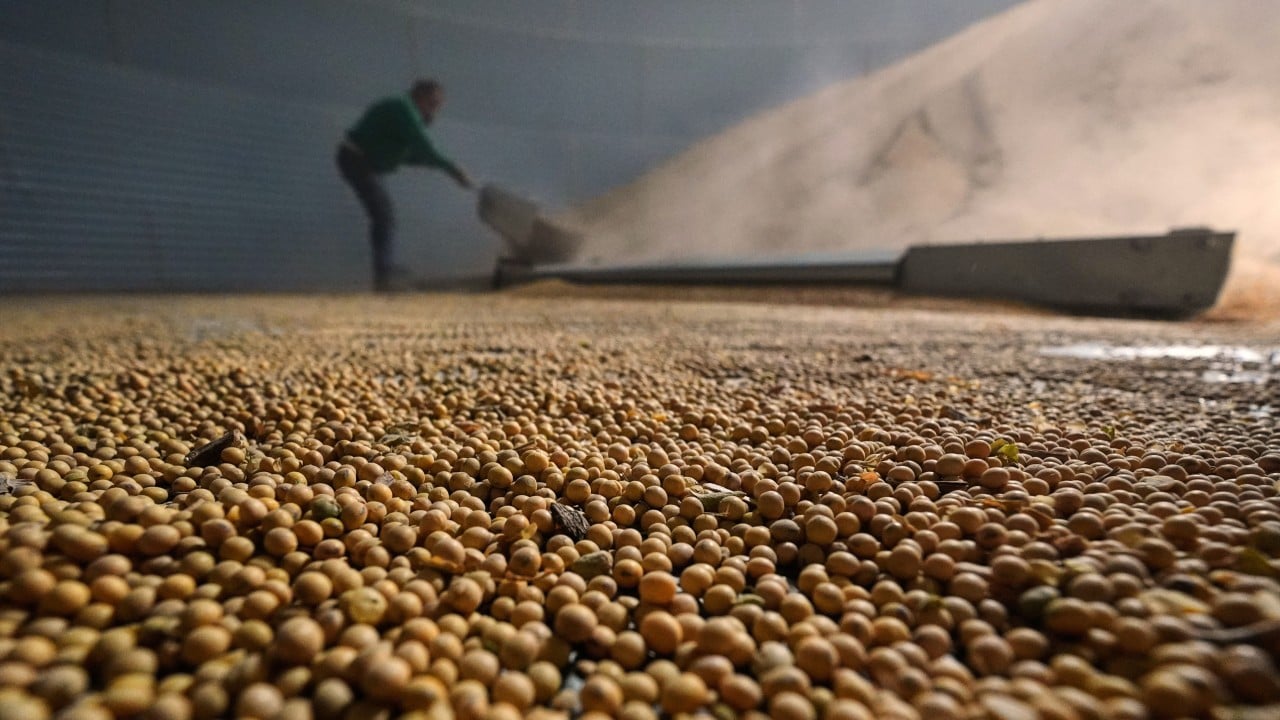
The U.S. Department of Agriculture reported that private exporters recorded sales of 472,000 tonnes of soybeans destined for China. This marks the most significant daily export sale to the country since November. Mark Knight of Farmer's Keeper Financial commented on the purchase, stating, “China has a long way to go to reach their commitments, but this is a positive signal that they have intentions to do so.” He added that the transaction had been anticipated in the market for several days.
China has a long way to go to reach their commitments, but this is a positive signal that they have intentions to do so.
Knight further suggested that China might demonstrate continued goodwill in September, coinciding with Xi Jinping's planned visit to Washington. This potential gesture would follow the high-profile Beijing summit in May, after which a general commitment regarding U.S. agricultural products was noted in a White House statement. According to the White House, China agreed to procure at least $17 billion annually in U.S. agricultural products from 2026 through 2028, in addition to soybean purchase commitments made in October 2025.
Like this week’s purchases, I would also expect China to show good faith in September when Xi visits.
DistantNews Editorial
Originally published by South China Morning Post. Summarized and contextualized by our editorial team with added local perspective. Read our editorial standards.
More Stories


From Our Blog

Countries Without a Free Press: What You Need to Know

What Press Freedom Means for the News You Read

What Gets Lost (and Found) When News Is Translated

The Critical Role of Diaspora Media in Global News

What Travellers Should Know About Countries with Restricted Press
