


Is Malaysia's public transport system in decline?
Translated from Malay, summarized and contextualized by DistantNews.
At a glance
Analysis
Named sources
Context piece
- The article questions whether Malaysia's public transport system is deteriorating or facing immense pressure from increased usage.
- Recent incidents, including an LRT collision and a minor explosion on the Kelana Jaya line, have raised public concern.
- Proactive maintenance and clear public communication are crucial as ridership grows, making public transport essential for city dwellers.
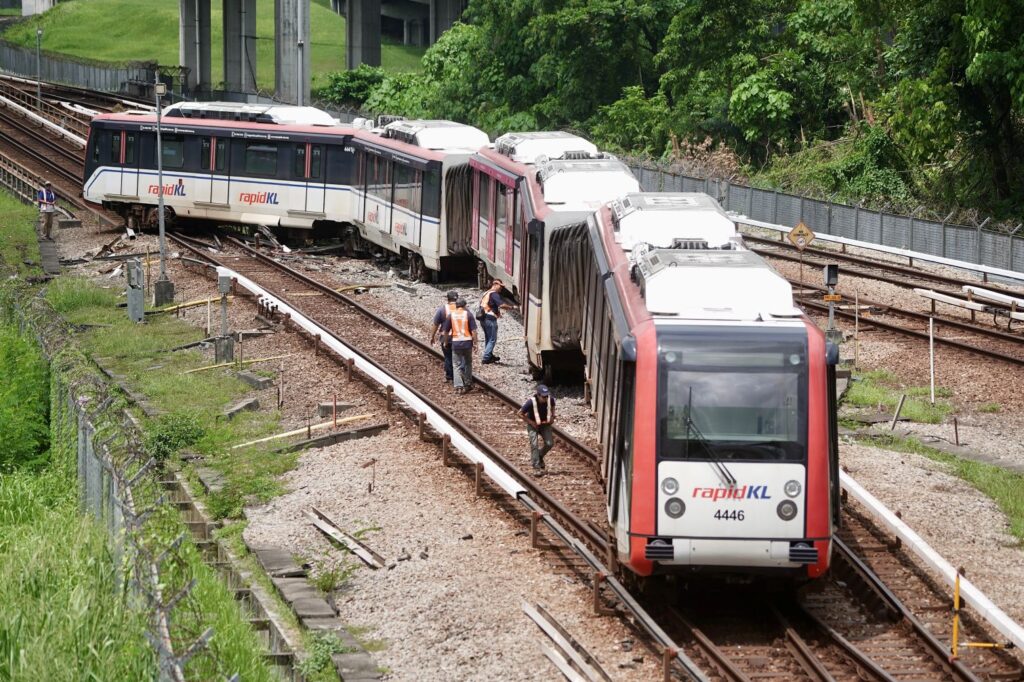
Malaysia's public transport system faces scrutiny following a series of incidents, prompting questions about its condition and capacity. A collision on the LRT that injured hundreds and a recent minor explosion on the Kelana Jaya line have shaken public confidence. While authorities attributed the explosion to a minor technical issue, the perception of safety remains a concern for passengers who prioritize reaching their destinations safely.
Public transport has become indispensable for urban residents, especially with worsening traffic congestion and rising vehicle ownership costs. The increasing number of users is a positive sign, indicating greater reliance on and trust in public transit, which also contributes to reducing traffic and pollution. However, this surge in ridership places a significant strain on existing infrastructure, demanding more than just routine maintenance.
To ensure safety and reliability, the system requires proactive, comprehensive upkeep that accounts for the increased load. Every component, from tracks and signaling to power supply and train cars, needs regular monitoring with advanced technology to detect potential issues before they escalate into safety incidents. Furthermore, timely and transparent communication with the public during disruptions is vital for managing passenger expectations and maintaining trust in the system.
DistantNews Editorial
Originally published by Utusan Malaysia in Malay. Translated, summarized, and contextualized by our editorial team with added local perspective. Read our editorial standards.
More Stories


From Our Blog

What Gets Lost (and Found) When News Is Translated

The Critical Role of Diaspora Media in Global News

What Travellers Should Know About Countries with Restricted Press

A Digital Nomad's Guide to Following Local News

How the Same Story Looks Different in Different Countries
