

Is that a biscuit wrapper you’re breathing?
Summarized and contextualized by DistantNews.
At a glance
In-depth
Named sources
Context piece
- Pakistan is recognized for low marine plastic pollution but struggles with multi-layer plastic (MLP) waste.
- Recyclers in Karachi process trash into pellets, but problematic MLP is often converted into cheap fuel called 'gatha'.
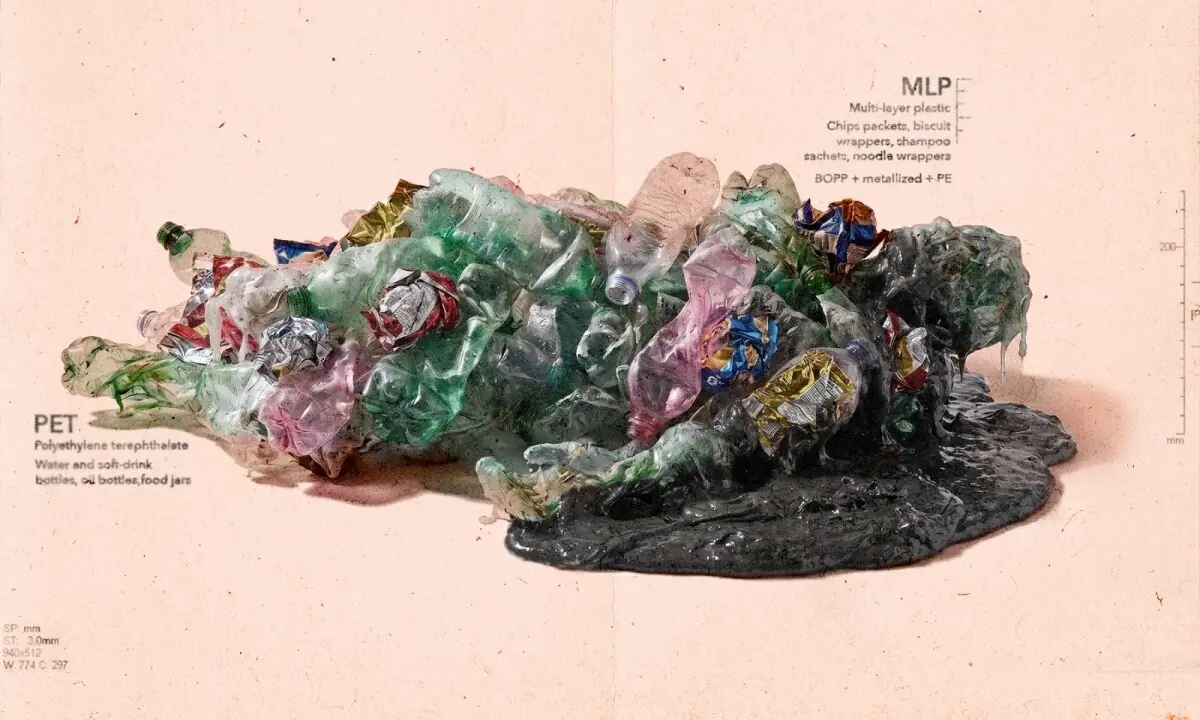
- MLP, found in biscuit wrappers and chip packets, is difficult to recycle and poses environmental challenges.
While Pakistan boasts low marine plastic pollution rates, a significant challenge lies in managing multi-layer plastic (MLP) waste, commonly found in everyday items like biscuit and chip wrappers. In Karachi's Shershah market, recyclers sort trash and process it into plastic pellets, or 'dana,' used for making new products. However, the most problematic and least valuable plastic waste, MLP, is often converted into 'gatha,' a form of compacting or melting that creates energy blocks used as cheap fuel by factories and kilns. This MLP, often composed of multiple layers including plastic, adhesive, and sometimes aluminum, is difficult to separate and recycle. Internationally, similar materials are processed as Solid Recovered Fuel, but are subject to strict government oversight, a level of regulation seemingly absent in Pakistan's informal recycling sector. The environmental implications of converting this difficult-to-recycle material into fuel remain a significant concern.
What’s that on the floor? ... That’s gatha, they said.
DistantNews Editorial
Originally published by Dawn. Summarized and contextualized by our editorial team with added local perspective. Read our editorial standards.
More Stories

From Our Blog

What Gets Lost (and Found) When News Is Translated

The Critical Role of Diaspora Media in Global News

What Travellers Should Know About Countries with Restricted Press

A Digital Nomad's Guide to Following Local News

How the Same Story Looks Different in Different Countries
