


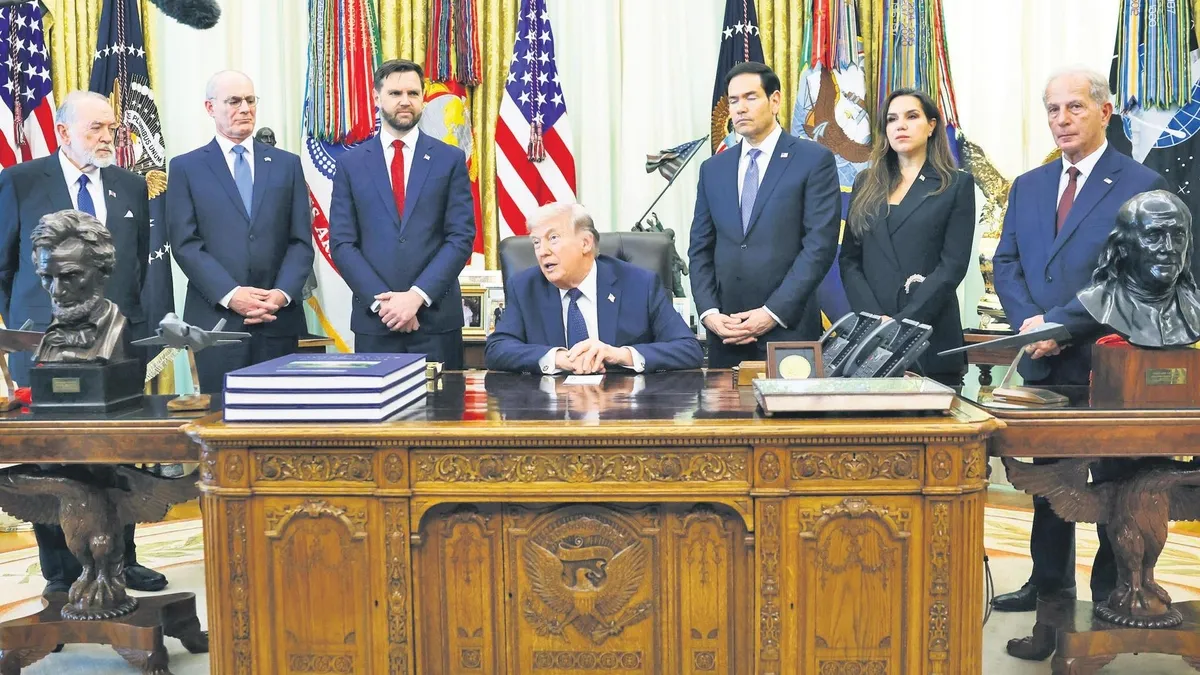
Israel and US Admit: 'We Are in a Difficult Situation on All Fronts'
Translated from Turkish, summarized and contextualized by DistantNews.
TLDR
- The US and Israel face deepening disappointment in their objectives against Iran, with reports indicating ammunition shortages in Washington and panic in Tel Aviv over the uncertain direction of the conflict.
- Israeli officials express confusion about their strategic goals, while media reports suggest the situation on multiple fronts, including Lebanon and Gaza, is worse than before.
- The New York Times reports that the Pentagon has depleted critical long-range missile stocks, raising concerns about potential future conflicts and the war's escalating costs.
The ongoing confrontation with Iran has plunged the United States and the Zionist regime into a state of deep crisis, revealing their inability to achieve their objectives on both the battlefield and the negotiating table. Reports emerging from the press in both Washington and Tel Aviv paint a grim picture: a critical ammunition shortage plagues the US, while Israel is gripped by a pervasive panic, with no clear understanding of their strategic direction.
Nereye gittiğimizi ve yönümüzün ne olduğunu bilmiyoruz
Israeli Prime Minister Benjamin Netanyahu's administration finds itself increasingly cornered on multiple fronts, including Lebanon, Gaza, and Iran. An Israeli officer's candid admission, highlighted by contradictory statements from President Trump, underscores the profound uncertainty: "We don't know where we are going and what our direction is." Security circles in Israel are no longer debating whether the clashes will reignite, but rather when and on what scale they will erupt. The situation on the ground is reportedly worse than it was on February 27th, particularly in Lebanon and Gaza.
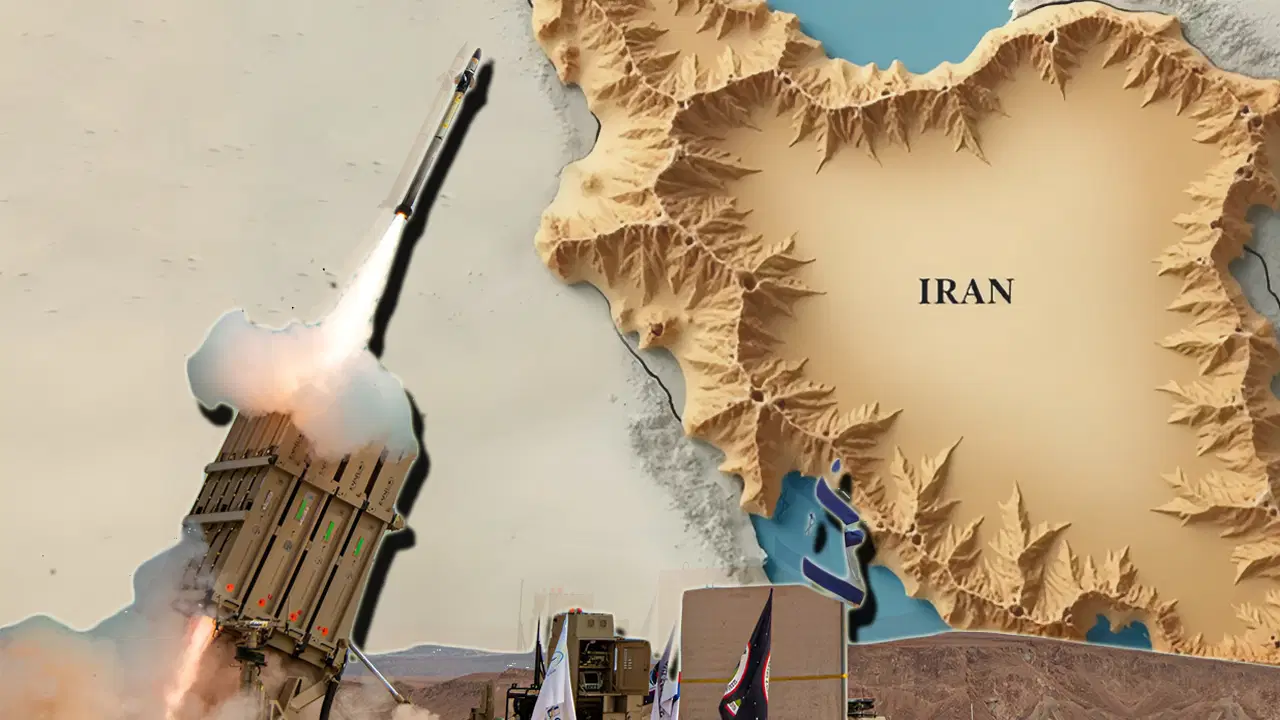
Meanwhile, across the Atlantic, the Pentagon faces its own crisis. The New York Times reveals that critical weapon stocks, particularly long-range cruise missiles developed for a potential conflict with China, have been significantly depleted. The US military has expended approximately 1,100 of these missiles since the conflict began, a number nearly equivalent to its remaining total stock. This depletion raises serious questions about the sustainability of US military operations and its readiness for other potential contingencies.
ABD ordusunun savaş boyunca kullandığı mühimmatlardan ne kadar kaldığını ve savaşın maliyetini kalem kalem hesapladı.
The broader implications of this conflict extend to global energy security. The Strait of Hormuz remains a focal point of tension, with both Iran and the US maintaining a dual blockade. Experts warn that reciprocal seizures of tankers could exacerbate the existing economic crisis stemming from the strait's strategic importance. Iran's assertive stance, including threats to target Saudi Arabia's energy facilities if its oil infrastructure is attacked, signals a dangerous escalation and a potential widening of the conflict.
Petrol altyapımıza saldırı halinde Suudi Arabistan'ın enerji tesisleri hedef alınacak
DistantNews Editorial
Originally published by Sabah in Turkish. Translated, summarized, and contextualized by our editorial team with added local perspective. Read our editorial standards.
More Stories

From Our Blog

What Gets Lost (and Found) When News Is Translated

The Critical Role of Diaspora Media in Global News

What Travellers Should Know About Countries with Restricted Press

A Digital Nomad's Guide to Following Local News

How the Same Story Looks Different in Different Countries
