


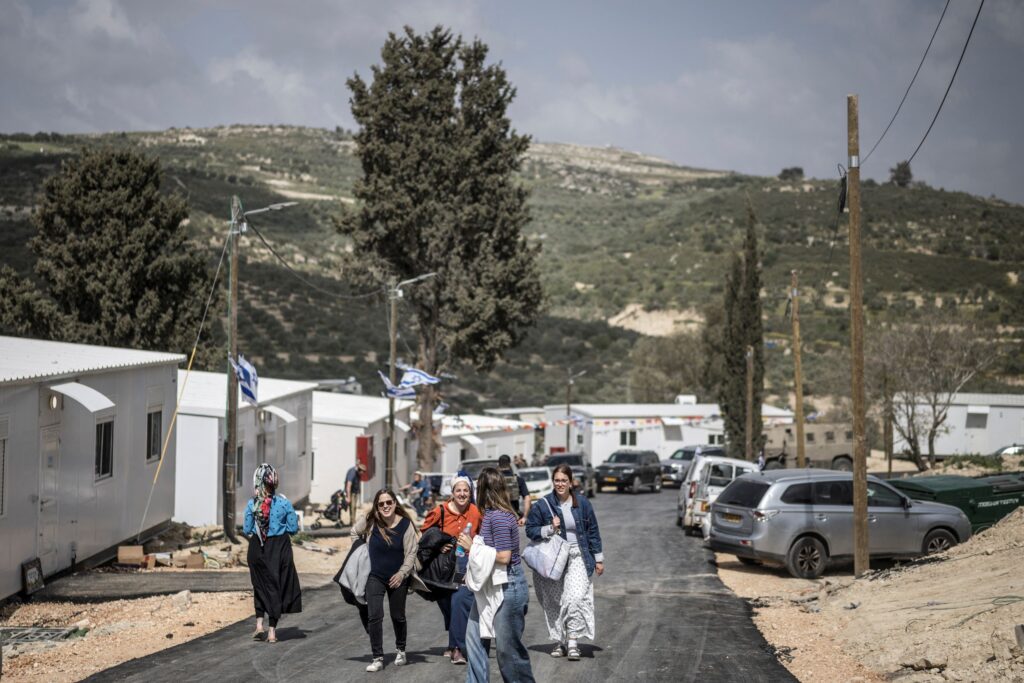
Israel reopens illegal Jewish settlement in West Bank
Translated from Malay, summarized and contextualized by DistantNews.
TLDR
- Israeli ministers officially reopened the Sa-Nur settlement in the West Bank, which had been evacuated 20 years prior.
- The reopening occurred amidst declarations against the establishment of a Palestinian state and calls for resettling settlements in Gaza.
- The event was attended by cabinet members and parliamentarians, marking a significant move in Israeli settlement policy.
In a move signaling a significant shift in Israeli settlement policy, ministers officially reopened the Sa-Nur settlement in the northern West Bank. This settlement, evacuated two decades ago, has now been re-established, marking a potent symbol of Israeli intent and a direct challenge to international consensus on the Palestinian issue.
The reopening ceremony was imbued with strong political rhetoric, featuring declarations against the formation of a Palestinian state and explicit calls for the resettlement of settlements in Gaza. This dual messaging underscores a hardening stance from certain factions within the Israeli government, linking the future of West Bank settlements with the ongoing situation in Gaza and rejecting the two-state solution outright.
From a Palestinian perspective, this act is viewed as a blatant violation of international law and a further impediment to any hope of a contiguous and sovereign Palestinian state. The re-establishment of settlements, particularly in an area previously evacuated, is seen as a deliberate provocation and an aggressive expansion of Israeli control over occupied territories.
Internationally, the move is likely to be met with condemnation and concern, further complicating already strained diplomatic relations. However, within Israel, particularly among supporters of settlement expansion, the reopening of Sa-Nur is framed as a reclamation of historical Jewish presence and a necessary step for security and national identity. The presence of cabinet members and parliamentarians at the ceremony highlights the political weight given to this decision, reflecting a domestic agenda that prioritizes settlement growth over diplomatic compromise. This event is not merely about a single settlement; it represents a broader ideological push with significant implications for the future of the region.
DistantNews Editorial
Originally published by Utusan Malaysia in Malay. Translated, summarized, and contextualized by our editorial team with added local perspective. Read our editorial standards.
More Stories


From Our Blog

What Gets Lost (and Found) When News Is Translated

The Critical Role of Diaspora Media in Global News

What Travellers Should Know About Countries with Restricted Press

A Digital Nomad's Guide to Following Local News

How the Same Story Looks Different in Different Countries
