


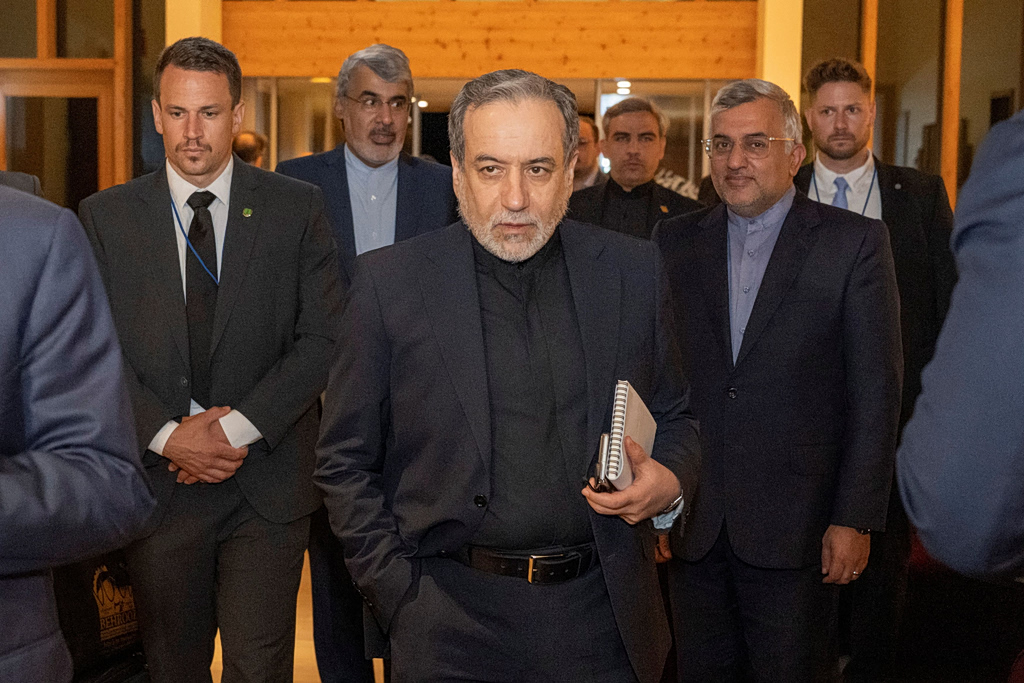
Israel reportedly planned to assassinate Iranian negotiators, U.S. intervened
Translated from Greek, summarized and contextualized by DistantNews.
At a glance
News
Named sources
Context piece
- U.S. officials feared Israel planned to assassinate top Iranian negotiators during critical talks aimed at ending a war and reopening the Strait of Hormuz.
- Washington intervened by warning Tehran through intermediaries about alleged Israeli assassination plots.
- The incidents highlight tensions between the U.S. and Israel, with analysts noting a divergence in war aims and Israeli Prime Minister's determination to undermine U.S. negotiations.
Senior U.S. officials harbored fears that Israel was planning to assassinate key Iranian negotiators at a critical juncture when the Donald Trump administration was pursuing a deal to end a war and reopen the Strait of Hormuz. The Washington Post reported these concerns, citing current and former officials with knowledge of the matter.
Washington reacted strongly to alleged assassination plans targeting Iran's Foreign Minister Abbas Araghchi and Parliament Speaker Mohammad Bagher Ghalibaf. In an unusual move last spring, the U.S. asked intermediaries to warn Tehran about Israel's purported intentions. "If you kill these people, you kill the realists," a U.S. official stated anonymously, referring to the U.S. stance on Israel's targeted killing campaign.
If you kill these people, you kill the realists
As early as March, when the Trump administration began exploring diplomatic options to end the war, U.S. officials informed their Israeli counterparts that Iran's political leadership should not be targeted, according to diplomatic sources. The fact that the U.S. felt compelled to warn Iran itself about potential assassinations of its top negotiators underscores the strain in U.S.-Israel relations and the limited influence the Trump administration held over Israeli leadership, analysts suggest.
This shows the divergence of war aims between the U.S. and Israel, as well as the fundamental determination of the Israeli Prime Minister to undermine any negotiations that the United States might complete.
"This shows the divergence of war aims between the U.S. and Israel, as well as the fundamental determination of the Israeli Prime Minister to undermine any negotiations that the United States might complete," commented Aaron David Miller, a former State Department official. The Israeli embassy in Washington declined to comment, while a White House official stated, "The President wants the peace process to unfold."
Concerns about Israeli assassinations had also been reported by The New York Times. When the U.S. and Israel initiated their joint war against Iran on February 28, Israel assassinated dozens of Iranian political and military leaders, including Supreme Leader Ayatollah Ali Khamenei. The U.S. military focused on weakening Iran's navy and missile capabilities. Initially, both allies shared the goal of regime change in Tehran, but their paths diverged as U.S. officials assessed that Iran's military and religious establishment would retain control.
The President wants the peace process to unfold.
DistantNews Editorial
Originally published by Ta Nea in Greek. Translated, summarized, and contextualized by our editorial team with added local perspective. Read our editorial standards.
More Stories


From Our Blog

What Gets Lost (and Found) When News Is Translated

The Critical Role of Diaspora Media in Global News

What Travellers Should Know About Countries with Restricted Press

A Digital Nomad's Guide to Following Local News

How the Same Story Looks Different in Different Countries
