

İzmir Charts a Course for Culture
Translated from Turkish, summarized and contextualized by DistantNews.
TLDR
- İzmir, Turkey, hosted a cultural policies workshop on May 7-8, bringing together academics, NGOs, local officials, and business leaders.
- The workshop focused on defining culture as a right, improving cultural management, fostering creative industries, and addressing climate change and digitalization in cultural policies.
- The İzmir Metropolitan Municipality aims to integrate culture into sustainable development, emphasizing its connection to democracy, heritage, and social inclusion.
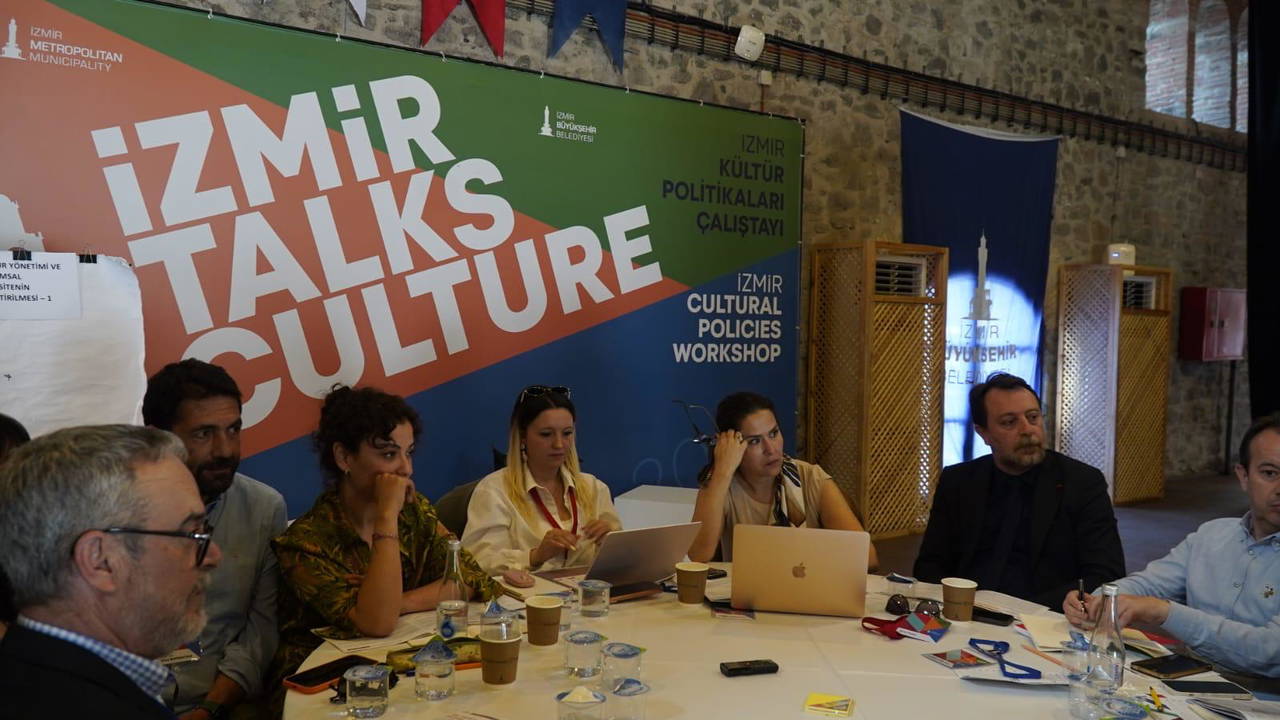
İzmir, a city that prides itself on its progressive and inclusive identity, has taken a significant step forward by hosting the "İzmir Kültür Konuşuyor" (İzmir Culture Speaks) workshop. This initiative, spearheaded by the İzmir Metropolitan Municipality, underscores a commitment to viewing culture not merely as artistic events, but as a fundamental pillar of sustainable development and democratic participation.
We know how important data-based management is. We have gained serious knowledge about İzmir's cultural ecosystem. We know that culture is a fundamental element of sustainable development. Culture is not just about art events. It is directly related to concepts such as democracy, participation, heritage, creativity, environment, and social inclusivity. We examine the well-being mentioned here in many aspects such as the city's health, the culture-ecology relationship, and gastronomy. We are working on where we have differences and what we need to improve.
The workshop, held at the historic Havagazı Factory Cultural Center, brought together a diverse array of stakeholders, including academics, experts, representatives from non-governmental organizations, local administrators, bureaucrats, council members, and business leaders. This broad participation highlights İzmir's dedication to a collaborative approach in shaping its cultural future. The discussions centered on a draft document outlining six core principles: defining culture as a right and ensuring access, enhancing cultural management and institutional capacity, developing the culture economy and creative industries, preserving and repurposing cultural heritage, integrating climate crisis and ecological considerations into cultural policies, and navigating the impact of digitalization and new technologies.
As reported by Cumhuriyet, a publication deeply embedded in Turkey's intellectual and political discourse, the emphasis on culture as a right and its intrinsic link to democracy, heritage, creativity, environment, and social inclusivity is particularly resonant. This perspective contrasts with a more narrowly defined, art-centric view of culture often prevalent elsewhere. İzmir's approach, as articulated by Deputy Secretary General Prof. Dr. Pınar Okyay, prioritizes data-driven management and a holistic understanding of the city's cultural ecosystem. The focus on 'well-being,' 'urban health,' and the 'culture-ecology relationship' reflects a forward-thinking urban planning philosophy.
We know that this is a draft document. It will take its final form at the end of these two days. Let's know that this is a beginning. We are documenting the participatory process here. Your suggestions, criticisms, and contributions are very important to us.
Furthermore, the inclusion of "Climate Crisis, Ecology and Cultural Policies" and "Digitalization, New Technologies and Cultural Policies" as core tenets signals İzmir's proactive stance on contemporary global challenges. This comprehensive vision, as echoed by UCLG-MEWA Secretary General Dr. Mehmet Duman, aims to position culture as a vital element in building sustainable cities. The aspiration to see such integrated cultural policies replicated nationwide, in collaboration with local governments, reflects a national ambition to leverage culture for broader societal and economic development, a narrative that resonates strongly within Turkey.
Our wish is that these festivals be widespread throughout the country in cooperation with local governments. Today, we see that cultural policies have become a comprehensive structure that includes the dimensions of conservation, access, governance, and sustainability. We also see culture as a fundamental element in the construction of sustainable cities. We contribute to the sharing of local experiences through the work we carry out in different cities.
DistantNews Editorial
Originally published by Cumhuriyet in Turkish. Translated, summarized, and contextualized by our editorial team with added local perspective. Read our editorial standards.
More Stories

From Our Blog

What Gets Lost (and Found) When News Is Translated

The Critical Role of Diaspora Media in Global News

What Travellers Should Know About Countries with Restricted Press

A Digital Nomad's Guide to Following Local News

How the Same Story Looks Different in Different Countries
