


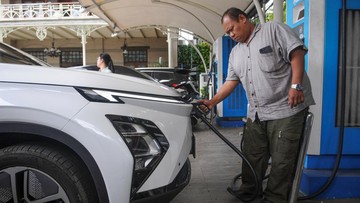
Jakarta Maintains Tax and Traffic Exemptions for Electric Vehicles
Translated from Indonesian, summarized and contextualized by DistantNews.
TLDR
- Jakarta's provincial government will continue to exempt electric vehicles from vehicle tax and name transfer fees.
- This policy aligns with central government regulations and aims to encourage the adoption of clean energy transportation.
- Electric vehicles will also maintain their exemption from the odd-even traffic restriction policy.
The DKI Jakarta Provincial Government is demonstrating a strong commitment to fostering a cleaner urban environment by maintaining crucial fiscal incentives for electric vehicles (EVs). This decision reaffirms the capital city's dedication to accelerating the transition to clean energy, ensuring its policies remain synchronized with national directives. The continued exemption from Motor Vehicle Tax (PKB) and Motor Vehicle Name Transfer Fee (BBNKB) for battery-electric vehicles signals a clear intent to make EV ownership more accessible and appealing to residents.
Beyond the financial benefits, the policy is strategically designed to stimulate the growth of the renewable energy ecosystem and, more importantly, to actively encourage public adoption of environmentally friendly transportation. This dual approach, combining financial incentives with tangible daily conveniences, is key to shifting consumer behavior away from traditional internal combustion engine vehicles.
After the issuance of the Minister of Home Affairs' Circular Letter Number 900.1.13.1/3764/SJ regarding the provision of fiscal incentives in the form of exemption from PKB and BBNKB for battery-electric vehicles, the DKI Jakarta Provincial Government's policy is in line with these provisions, namely continuing to provide incentives in the form of exemption from PKB and BBNKB for battery-electric vehicles.
Furthermore, the Jakarta Transportation Agency has confirmed that EVs will continue to enjoy freedom from the odd-even traffic restriction policy. This exemption is a vital component of the strategy to promote seamless, eco-friendly mobility within the city. By allowing EVs unrestricted access, Jakarta aims to bolster the use of greener vehicles, aligning with its broader objectives of reducing emissions and enhancing the sustainability of its urban transportation system.
From Jakarta's perspective, this consistent and supportive policy framework is essential. It not only addresses environmental concerns but also positions the city as a leader in sustainable urban mobility in Southeast Asia. While international coverage might focus on the technological advancements of EVs, Jakarta's local approach emphasizes practical, everyday benefits that directly impact residents' lives and contribute to a healthier city. The provincial government's proactive stance, in alignment with central government initiatives, underscores a holistic vision for a sustainable transportation future.
We are maintaining the policy of exemption from the odd-even traffic restriction for battery-electric vehicles. This policy is part of the effort to encourage the use of more environmentally friendly vehicles, in line with the commitment to reduce emissions and strengthen the sustainable urban transportation system.
DistantNews Editorial
Originally published by CNN Indonesia in Indonesian. Translated, summarized, and contextualized by our editorial team with added local perspective. Read our editorial standards.
More Stories


From Our Blog

What Gets Lost (and Found) When News Is Translated

The Critical Role of Diaspora Media in Global News

What Travellers Should Know About Countries with Restricted Press

A Digital Nomad's Guide to Following Local News

How the Same Story Looks Different in Different Countries
