

Japan Looks to Vietnam as a Strategic Pillar for 'Economic Security'
Translated from Vietnamese, summarized and contextualized by DistantNews.
TLDR
- Japanese Prime Minister Takaichi Sanae's visit to Vietnam underscores Tokyo's view of Hanoi as a strategic pillar for 'economic security'.
- The two countries agreed to implement projects under the POWERR ASIA initiative to enhance energy self-sufficiency, starting with support for crude oil supply to the Nghi Son refinery.
- Japan aims to increase its investment in Vietnam to $5 billion annually and bilateral trade to $60 billion by 2030, focusing on high-tech projects and R&D collaboration, including semiconductor research.
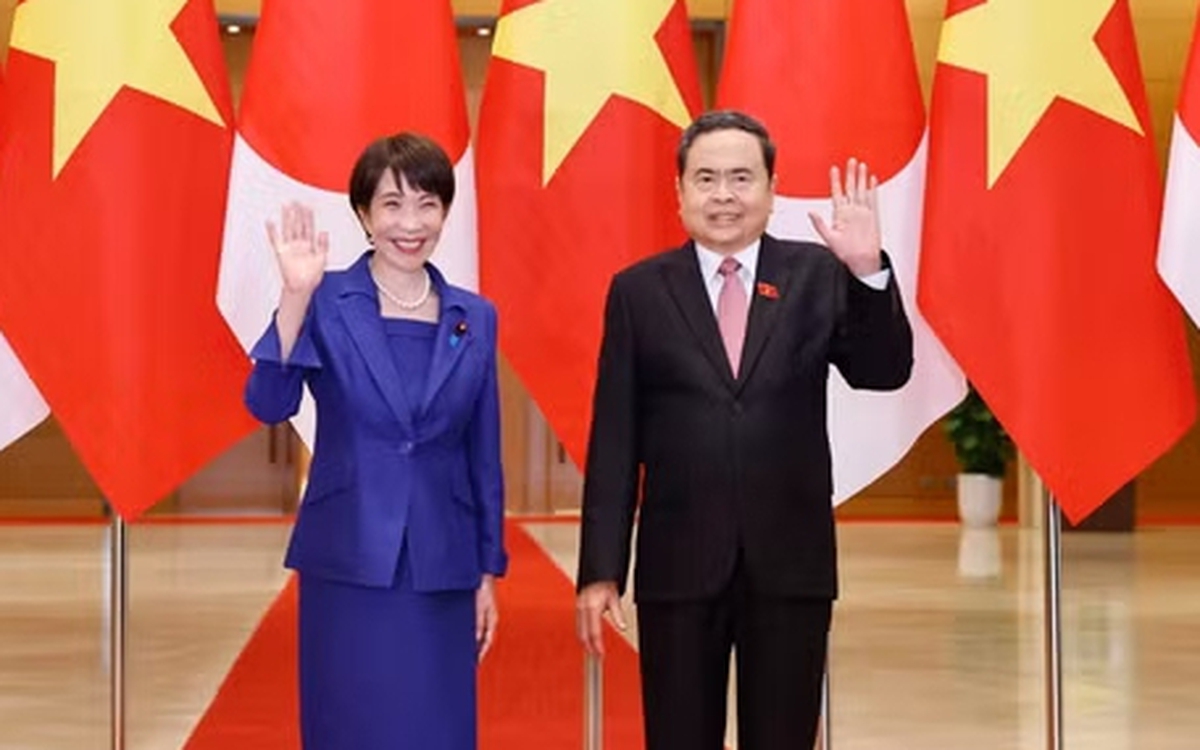
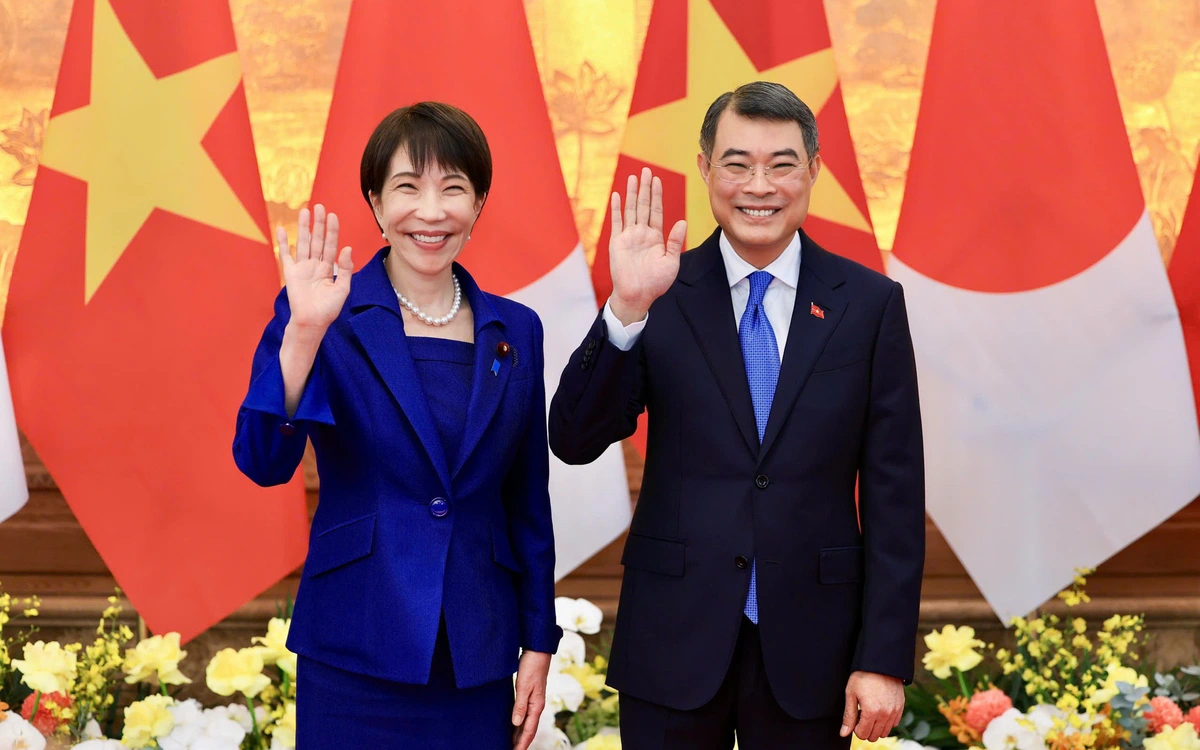
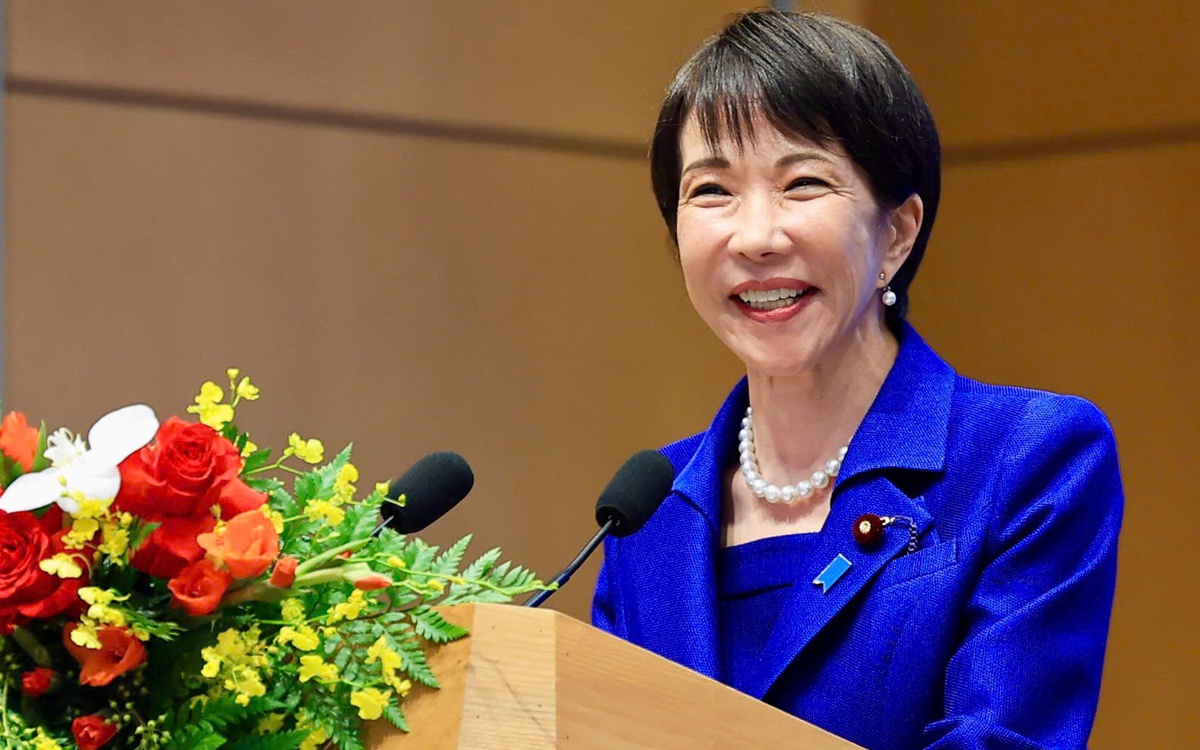
The recent visit of Japanese Prime Minister Takaichi Sanae to Vietnam, and Hanoi's selection as the venue for the new Indo-Pacific vision, signals a significant strategic alignment. As reported by Tuổi Trẻ, Tokyo increasingly views Vietnam not just as a growing economy, but as a crucial anchor for its 'economic security' strategy. Prime Minister Sanae's emphasis on economic security as the new pillar of cooperation between Japan and Vietnam is clearly reflected in her activities in Hanoi.
Vietnam, just like Hanoi's other name Thang Long - meaning 'ascending dragon', is developing at an extremely impressive speed.
This partnership transcends traditional economic ties. While cooperation in areas like energy security and supply chains remains central, the focus has sharpened. The agreement to implement POWERR ASIA projects, starting with support for the Nghi Son refinery, demonstrates a concrete step towards enhancing energy self-sufficiency in the region. Furthermore, the ambitious targets for Japanese investment and bilateral trade, coupled with a strong emphasis on high-tech projects and joint semiconductor research through the NEXUS initiative, indicate a move towards deeper, more sophisticated collaboration.
The two sides agreed to soon implement projects within the framework of POWERR ASIA - an initiative providing $10 billion in support to help Asian countries strengthen energy self-sufficiency.
From Vietnam's perspective, as highlighted by Professor Stephen Nagy, this strategic partnership offers a pathway to selective supply chain diversification. Vietnam's stable government, young population, and strategic location make it an ideal partner. This collaboration is not merely about attracting foreign investment or leveraging natural resources; it's about elevating Vietnam's research capabilities, fostering talent development, and integrating more deeply into Japanese value chains. This nuanced approach, focusing on knowledge creation and technological advancement, is a significant evolution from previous economic engagements and holds immense promise for Vietnam's long-term sustainable development and its role within the ASEAN economic bloc.
Vietnam is an ideal location for selective supply chain diversification thanks to a stable government, a young population, and a strong position.
DistantNews Editorial
Originally published by Tuổi Trẻ in Vietnamese. Translated, summarized, and contextualized by our editorial team with added local perspective. Read our editorial standards.
More Stories
From Our Blog

What Gets Lost (and Found) When News Is Translated

The Critical Role of Diaspora Media in Global News

What Travellers Should Know About Countries with Restricted Press

A Digital Nomad's Guide to Following Local News

How the Same Story Looks Different in Different Countries
