

Japan makes better tourists out of us
Translated from German, summarized and contextualized by DistantNews.
At a glance
In-depth
Sources not specified
Context piece
- Travelers often find people abroad friendlier than Austrians, with Japanese people exhibiting exceptional politeness.
- This politeness can be misinterpreted, as Japanese people are respectful but may view foreigners as uncouth.
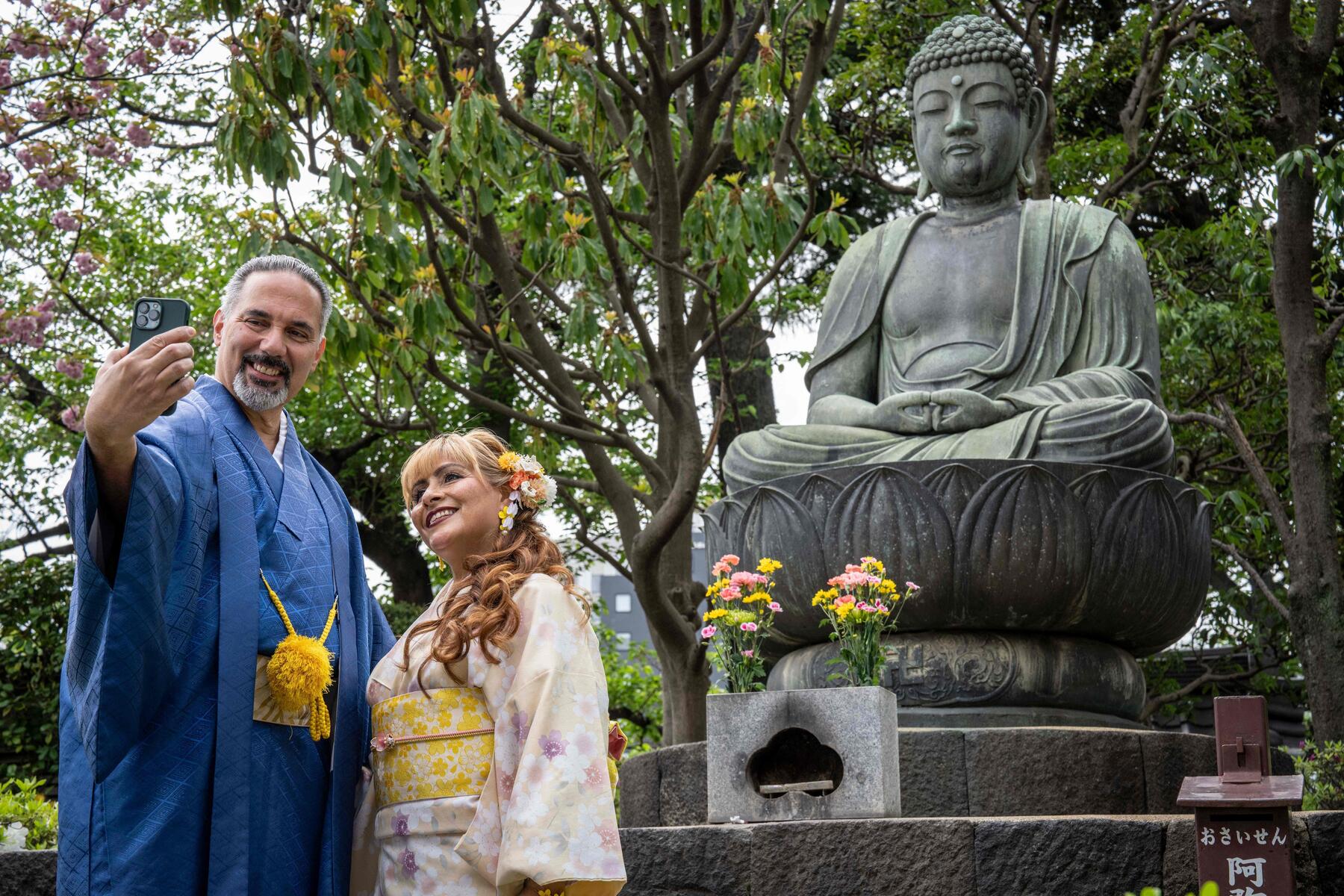
- Japan's cultural norms, like bowing and patient queuing, can transform tourists into more considerate travelers.
Travelers quickly learn that people worldwide are often friendlier than Austrians, especially in Vienna. A brief encounter with Americans can feel like the start of a lifelong friendship, and the British are described as a dream. Even the French are pleasant with a polite "merci beaucoup." However, Japan stands out as the "Mecca of politeness," though this courtesy can be easily misunderstood, much like the perceived lifelong friendships with Americans.
The Mecca of politeness is Japan, although one can easily misinterpret the politeness, just like with Americans and the perception of lifelong friendship.
Japanese people may view foreigners as uncouth and ill-mannered but choose to express this with politeness and respect rather than direct criticism. Examples include technicians bowing deeply before an aircraft and security staff at McDonald's greeting each guest with a slight bow. This level of courtesy can be perplexing for Europeans accustomed to the hustle of big cities, where rudeness is sometimes seen as necessary to catch a subway or get served at a checkout.
Technicians bow deeply before the rolling aircraft and its passengers.
In Japan, this ingrained politeness means that no one corrects the uncouth European or reacts with outrage. This situation can lead to two outcomes: for the less sensitive, it's a dream, allowing them to push through without hindrance. For the more sensitive, it's an opportunity to absorb this politeness through osmosis, leading to a transformation in their own behavior. They might patiently wait in line, nod kindly to security staff, or refrain from taking elevators before the elderly, even if it causes delays.
The security guard at McDonalds at the door greets every guest with a slight bow.
Ultimately, Japan has the power to make better tourists out of its visitors. A recent trip revealed that traditional tea makers maintaining ideal water temperatures for green tea are now rare, replaced by Nespresso machines in many hotels. Public vending machines offer beer, sake, and even gin and tonic, with age verification devices that are legally required but not necessarily activated. This blend of tradition and modern convenience, coupled with the pervasive politeness, shapes a unique travel experience.
In short: Japan makes better tourists out of us.
DistantNews Editorial
Originally published by Die Presse in German. Translated, summarized, and contextualized by our editorial team with added local perspective. Read our editorial standards.
More Stories

From Our Blog

What Gets Lost (and Found) When News Is Translated

The Critical Role of Diaspora Media in Global News

What Travellers Should Know About Countries with Restricted Press

A Digital Nomad's Guide to Following Local News

How the Same Story Looks Different in Different Countries
