

Japan's G7 rare earth proposal risks further regional tension
Translated from English, summarized and contextualized by DistantNews.
At a glance
News
Sources not specified
Context piece
- Japan proposed to G7 leaders a coordinated stockpiling of critical minerals, including rare earths, to reduce China's influence on supply chains.
- The proposal aims to address escalating demand and supply chain vulnerabilities in the Asia-Pacific region.
- Critics argue the move lacks vision and could escalate regional tensions, potentially leading to conflict.
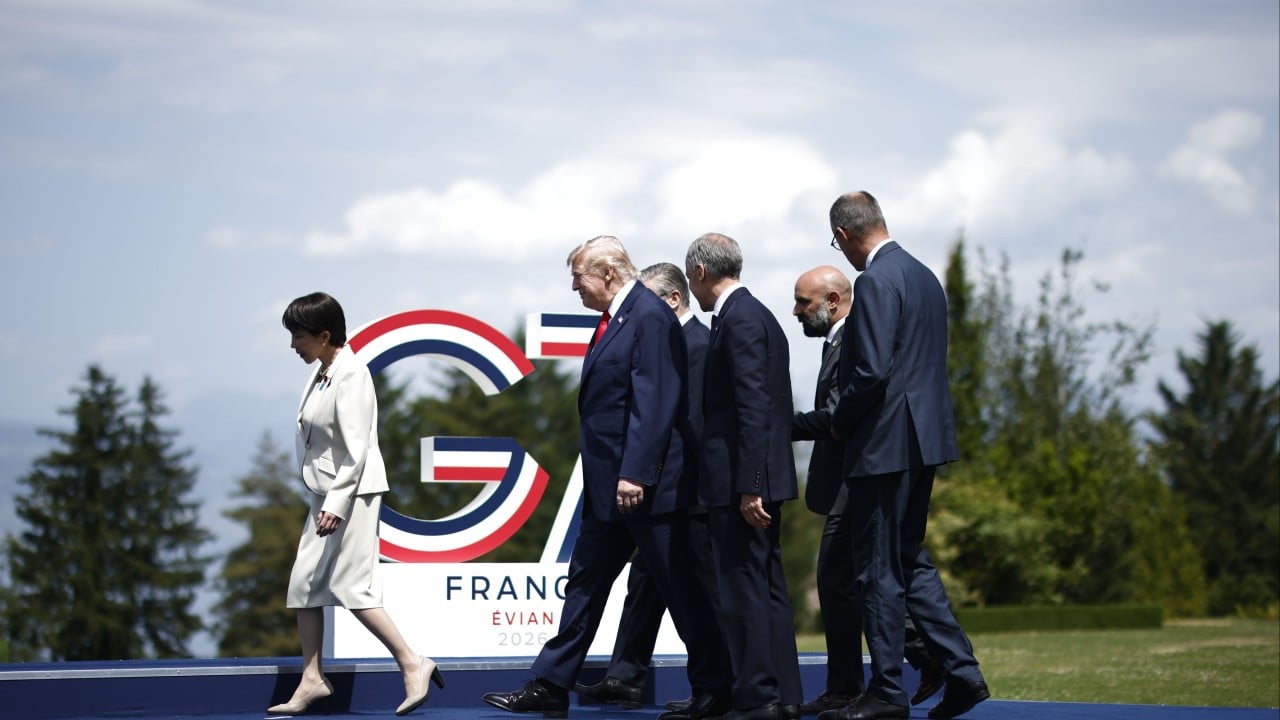
Japan has put forth a proposal to G7 leaders suggesting a coordinated effort to stockpile critical minerals, such as rare earths, with the aim of diminishing China's dominant position in global supply chains. This initiative, led by Japanese Prime Minister Sanae Takaichi, seeks to address the growing demand for these essential materials, which are crucial for industries ranging from semiconductors to renewable energy.
The Asia-Pacific region, according to insights from Nikkei Inc and the Japanese government's webinar series 'Asia Undercurrent,' faces escalating demand for critical minerals. Recent global conflicts have highlighted supply chain vulnerabilities, intensifying the need for resilient partnerships and technological innovation. However, the article notes that partnerships between Japan and other regional nations are challenged by trade friction and underdeveloped refinement capabilities.
While Takaichi's proposal to G7 leaders might appear sensible on the surface, akin to coordinating oil stockpiles or security agreements, the underlying logic is questioned. The article suggests this approach is "faulty and shortsighted at best, and irresponsible and potentially dangerous at worst."
Critics contend that such moves demonstrate a "lack of vision and statesmanship" and could inadvertently push East Asia toward renewed conflict, rather than fostering peace and economic integration. The author implies that Japan's current approach risks further regional tension rather than contributing to stability.
DistantNews Editorial
Originally published by South China Morning Post in English. Translated, summarized, and contextualized by our editorial team with added local perspective. Read our editorial standards.
More Stories
From Our Blog

Countries Without a Free Press: What You Need to Know

What Press Freedom Means for the News You Read

What Gets Lost (and Found) When News Is Translated

The Critical Role of Diaspora Media in Global News

What Travellers Should Know About Countries with Restricted Press
