


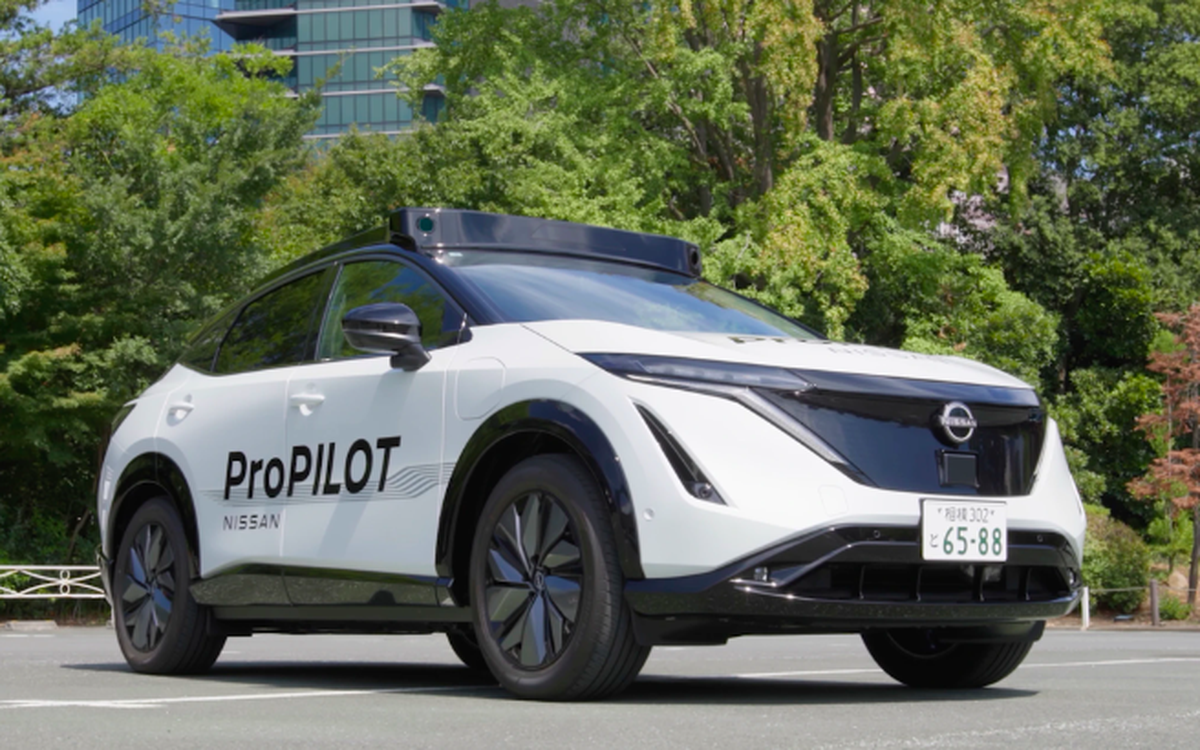
Japan Targets 25% Global Share of Autonomous Vehicle Market by 2030s
Translated from Vietnamese, summarized and contextualized by DistantNews.
TLDR
- Japan aims to capture 25% of the global autonomous vehicle market share by the 2030s, with strong government support.
- The government plans financial aid for autonomous vehicle production as part of its "growth roadmap."
- Nissan is also integrating AI-driven autonomous driving systems into about 90% of its future models.
Japan is setting its sights on a significant global presence in the burgeoning autonomous vehicle sector, targeting a 25% market share by the 2030s. This ambitious goal is backed by a comprehensive government strategy, outlined in a draft "growth roadmap" that identifies autonomous driving as one of 34 strategic technologies. The plan includes substantial financial support for domestic production, signaling a strong national commitment to leading in this transformative industry. This initiative aligns with the current global market share held by Japanese automakers, suggesting a realistic yet determined approach. Beyond government policy, industry leaders like Nissan are actively contributing to this vision. Nissan plans to integrate AI-powered autonomous driving systems into approximately 90% of its future vehicle lineup, demonstrating the private sector's readiness to innovate and compete. For Japan, this push into autonomous vehicles is not merely about automotive advancement; it's a key component of its broader economic growth strategy, alongside other priority sectors like cultural industries and food processing technology. The government is actively seeking input from businesses and experts to refine this plan, ensuring its feasibility and maximizing its impact. This coordinated effort between government and industry positions Japan to be a major player in shaping the future of mobility worldwide.
DistantNews Editorial
Originally published by Tuổi Trẻ in Vietnamese. Translated, summarized, and contextualized by our editorial team with added local perspective. Read our editorial standards.
More Stories

From Our Blog

What Gets Lost (and Found) When News Is Translated

The Critical Role of Diaspora Media in Global News

What Travellers Should Know About Countries with Restricted Press

A Digital Nomad's Guide to Following Local News

How the Same Story Looks Different in Different Countries
