


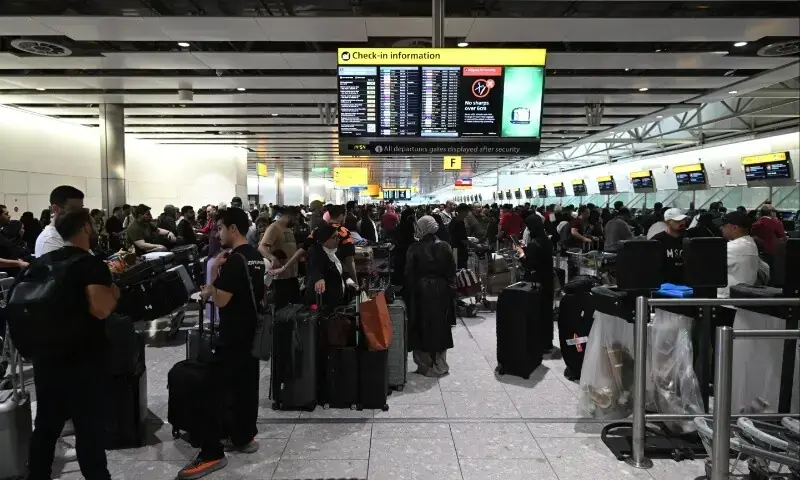
Jet fuel prices plunge, yet airfares expected to remain high
Summarized and contextualized by DistantNews.
At a glance
News
Sources not specified
Context piece
- Airlines are set to save billions on jet fuel due to a US-Iran peace deal, but passengers may not see immediate fare reductions.
- Carriers are prioritizing margin recovery over price cuts, having lagged in passing on earlier fuel cost increases.
- While global impacts vary, Europe, Asia, and the Middle East face mixed pressures with limited potential for significant discounting.
Airlines are poised to achieve substantial savings on jet fuel following an interim US-Iran peace deal that has lowered oil prices. However, passengers are unlikely to benefit from immediate fare relief as constrained capacity may enable carriers to maintain elevated ticket prices, potentially keeping them above pre-war levels.
The US market serves as a prime example of this dynamic. Fare increases have lagged behind the year's fuel cost surge, and domestic seat capacity remains limited. This situation provides airlines with the flexibility to utilize lower fuel expenses to bolster their profit margins rather than reversing recent price hikes. US jet fuel spot prices have fallen sharply from their early April high, a trend that could cut the industry's annual fuel bill by over $40 billion, according to Reuters calculations.
Despite rising jet fuel costs, US airlines implemented ticket price increases, added baggage fees, and reduced flight schedules. However, these measures only partially offset the escalating expenses. Industry data indicates that jet fuel prices rose more than three times faster than airfares from January to May. Deutsche Bank estimates that US carriers recovered only about 60 cents for every additional dollar spent on fuel, resulting in $14.4 billion in higher revenue against $24.1 billion in increased costs. Some airlines reported recovering less than half of these additional fuel expenses.
United Airlines CEO Scott Kirby indicated that his airline is nearing full recovery of the fuel price spike through its pricing strategies. Data from Raymond James shows that average domestic fares booked one week before travel were up 34.1 percent year-on-year as of June 8. The critical factor moving forward will be airlines' ability to sustain these fare levels as fuel prices decline. "What remains crucial is the ability to hold price," noted Conor Cunningham, an analyst at Melius Research, suggesting that lower gasoline prices might alleviate consumer pressure regarding airfares.
Outside the United States, the impact on fares is expected to be uneven. Lower crude prices take time to translate into reduced jet fuel costs. If prices do not revert to their early-year levels, airlines will likely maintain firm fares or even increase them where demand permits, according to Dudley Shanley, head of aviation and travel research at Goodbody. Europe might see a divided market, with long-haul fares potentially easing as airlines successfully passed on higher costs for those routes, according to RBC analyst Ruairi Cullinane. Short-haul fares, however, could remain firm if the peace agreement boosts demand. In Asia, HSBC analysts noted that China's major airlines face weak pricing power, while Hong Kong's Cathay Pacific is in a stronger position due to higher fares, cargo revenue, and robust premium demand.
What remains crucial is the ability to hold price.
DistantNews Editorial
Originally published by Dawn. Summarized and contextualized by our editorial team with added local perspective. Read our editorial standards.
More Stories


From Our Blog

What Gets Lost (and Found) When News Is Translated

The Critical Role of Diaspora Media in Global News

What Travellers Should Know About Countries with Restricted Press

A Digital Nomad's Guide to Following Local News

How the Same Story Looks Different in Different Countries
