


Jonathan Ineligible for 2027 Presidency, Cites Constitutional Bar
Translated from English, summarized and contextualized by DistantNews.
TLDR
- A Nigerian constitutional lawyer argues that former President Goodluck Jonathan is constitutionally ineligible to contest the 2027 presidential election.
- The lawyer cited Section 137(3) of the 1999 Constitution, which limits presidential terms for successors who complete a prior term.
- This legal interpretation suggests that any political consultations by Jonathan cannot override the constitutional provisions barring his candidacy.
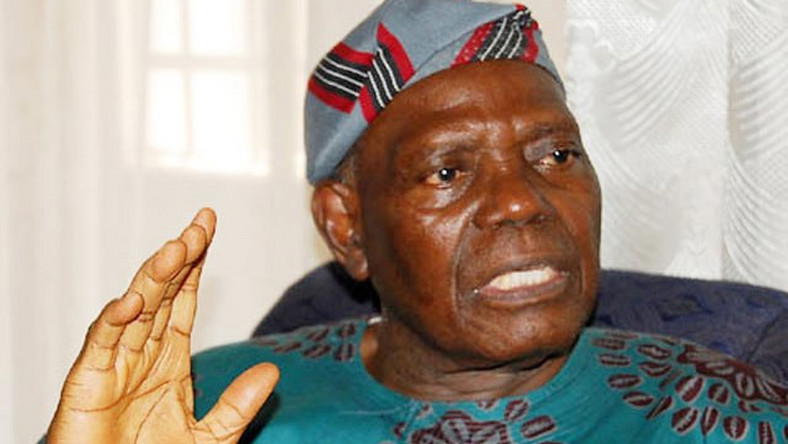
The possibility of former President Goodluck Jonathan contesting the 2027 presidential election has been definitively addressed by constitutional lawyer Kayode Oladele, who asserts that the matter is legally foreclosed. Oladele, a former acting Chairman of the Federal Character Commission, stated that while consultations are a legitimate part of political maneuvering, constitutional qualification is a matter of law, and in Jonathan's case, the boundaries are firmly established by the nation's supreme law.
I’ve heard you loud and clear. I will consult widely before taking any decision.
Oladele emphasized that the excitement surrounding Jonathan's potential return, while perhaps emotionally appealing to some, cannot supersede the clear provisions of the Constitution. The critical issue, he argued, is not popularity, experience, or national acceptance, but rather the constitutional permission to seek the office again. His answer is an emphatic 'no,' based on Section 137(3) of the 1999 Constitution as amended.
At the level of politics, anyone can be encouraged to consult. But at the level of constitutional law, eligibility is not determined by applause, youth endorsement, or political strategy, it is determined strictly by the provisions of the Constitution, and those provisions are very clear.
This specific constitutional provision states that any person who assumes the office of president to complete the tenure for which another person was elected shall not thereafter be elected to that office more than once. Oladele explained that this amendment was a deliberate safeguard designed to prevent a loophole where a vice president or successor inheriting office mid-term could potentially serve for nearly a decade, thereby undermining the spirit of the two-term limit. Jonathan's ascension to the presidency in May 2010, following the death of President Umaru Yar'Adua, placed him squarely within the ambit of this constitutional restriction.
Section 137(3) of the 1999 Constitution as amended which provides that any person who assumes the office of president to complete the tenure for which another person was elected shall not thereafter be elected to that office more than once.
From a Nigerian legal and political perspective, this interpretation is crucial. It clarifies the legal landscape for the upcoming elections and ensures adherence to constitutional principles designed to promote democratic rotation and prevent undue incumbency. While political sentiments may favor certain figures, the constitution remains the ultimate arbiter. Oladele's firm stance provides a definitive legal opinion, aiming to prevent any misinterpretations or attempts to circumvent the established constitutional framework, thereby safeguarding the integrity of Nigeria's presidential tenure system.
Before the amendment, the constitution barred any person from being elected president more than twice, but it did not sufficiently address the unique circumstance of a vice president or successor inheriting office mid-term and then seeking two additional full terms. This omission created the possibility that an unelected successor could potentially remain in power for close to a decade, thereby undermining the spirit of the two-term principle. The amendment was a corrective constitutional intervention.
DistantNews Editorial
Originally published by The Punch in English. Translated, summarized, and contextualized by our editorial team with added local perspective. Read our editorial standards.
More Stories

From Our Blog

How the Same Story Looks Different in Different Countries

What Gets Lost (and Found) When News Is Translated

The Critical Role of Diaspora Media in Global News

What Travellers Should Know About Countries with Restricted Press

A Digital Nomad's Guide to Following Local News
