


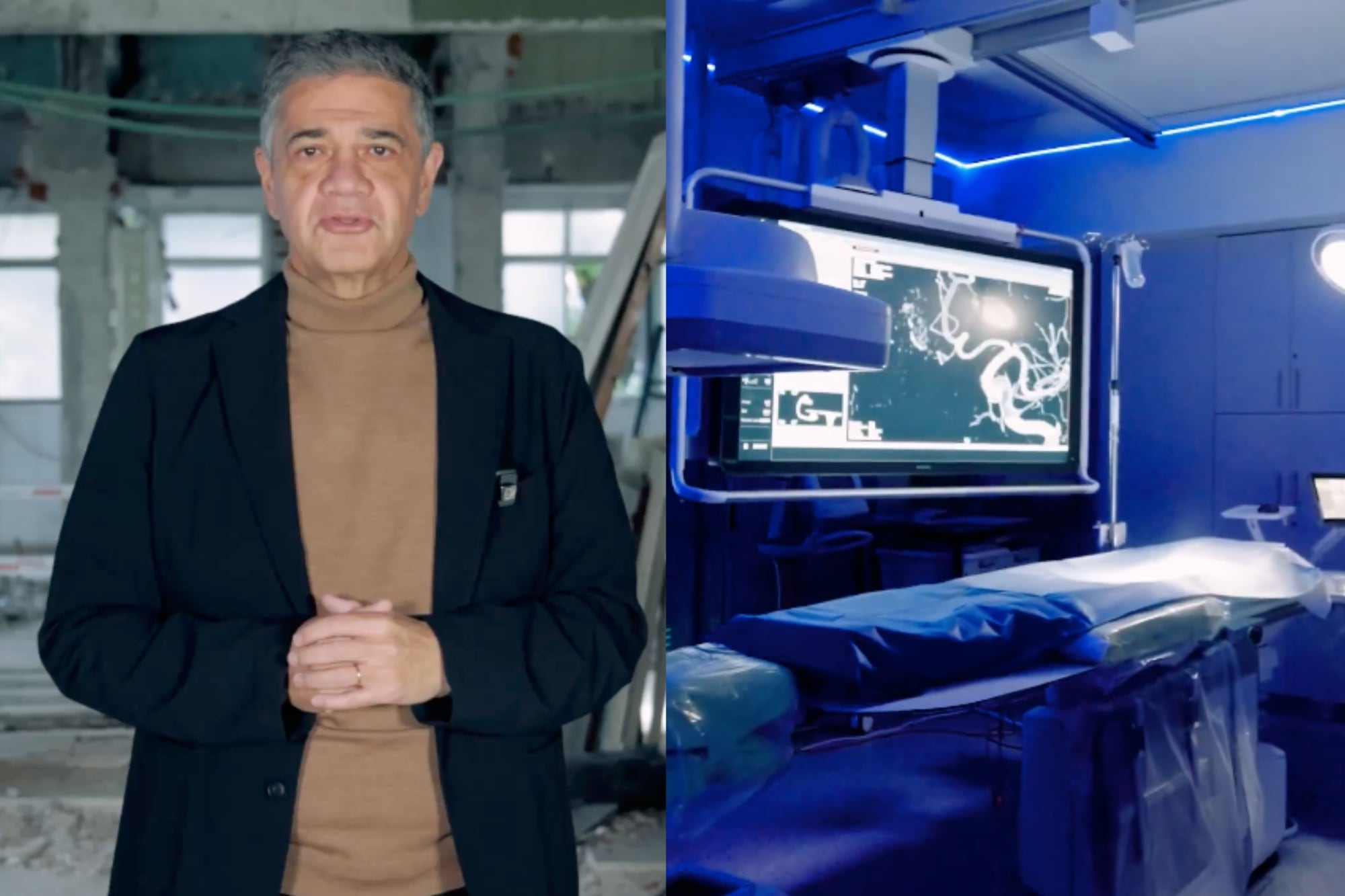
Jorge Macri on Charging Foreigners in City Hospitals: 'We Went From Paying for Health Tours to Funding Works'
Translated from Spanish, summarized and contextualized by DistantNews.
TLDR
- Buenos Aires City Mayor Jorge Macri announced that revenue from treating non-resident foreigners in public hospitals is funding infrastructure projects.
- Over $42 billion pesos have been invested in 151 health center projects in the first four months of the year through this revenue stream, along with funds from social security and private health insurance.
- Macri highlighted this initiative as a shift from 'health tours' to financing essential hospital upgrades, including new emergency rooms and expanded bed capacity.
Buenos Aires City is making significant strides in bolstering its public health infrastructure, thanks to a strategic financial approach spearheaded by City Mayor Jorge Macri. During a visit to the ongoing remodeling of the Fernández Hospital, Macri showcased how the city is leveraging revenue generated from the healthcare services provided to foreigners without local residency, as well as from social security and private health insurance reimbursements.
This innovative funding model has already yielded substantial results. The city administration reported that in the first four months of the year, over $42 billion pesos were channeled into a comprehensive infrastructure plan. This investment has facilitated the financing of 151 distinct projects across various health centers, demonstrating a tangible commitment to improving healthcare facilities for all residents.
Pasamos de pagar tours sanitarios a financiar más de 151 obras con el cobro a extranjeros, obras sociales y prepagas.
Macri emphasized that this approach marks a significant departure from previous practices, stating, "We went from paying for health tours to financing more than 151 works with the collection from foreigners, social security, and private health insurance." This statement underscores a policy shift towards self-sufficiency and reinvestment within the public health system. The funds are directly contributing to critical upgrades, such as the modernization of outpatient clinics, the construction of new regional blood centers, and the expansion of bed capacity within the public hospital network.
Fernán Quirós, the city's Minister of Health, further elaborated on the efficiency and accessibility of this system. He explained that the increasing demand for healthcare services necessitates a more robust and responsive system. The model's success lies in its ability to recover resources and directly reinvest them into the healthcare system, thereby enhancing its capacity and the quality of care provided to the citizens of Buenos Aires. The ongoing works at Fernández Hospital, which include a substantial renovation of its emergency services, exemplify the direct benefits of this financial strategy.
Este modelo permite recuperar recursos y reinvertirlos directamente en el sistema de salud, fortaleciendo la capacidad de respuesta y la calidad de la atención para los porteños.
DistantNews Editorial
Originally published by La Nación in Spanish. Translated, summarized, and contextualized by our editorial team with added local perspective. Read our editorial standards.
More Stories



From Our Blog

What Gets Lost (and Found) When News Is Translated

The Critical Role of Diaspora Media in Global News

What Travellers Should Know About Countries with Restricted Press

A Digital Nomad's Guide to Following Local News

How the Same Story Looks Different in Different Countries
