


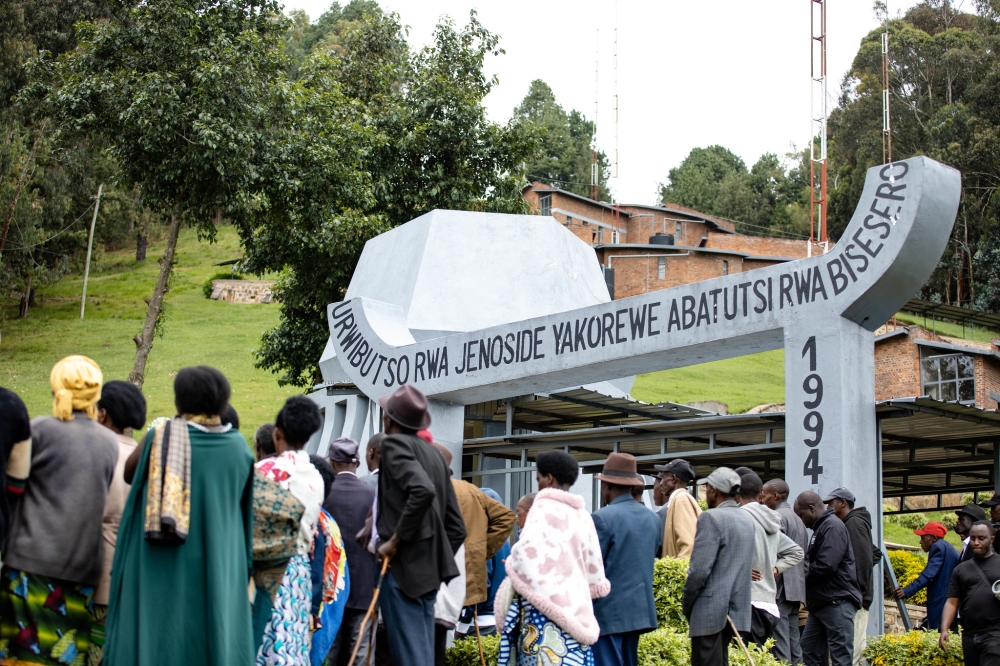
Karongi: Ibuka reports 3,000 Genocide suspects still at large
Summarized and contextualized by DistantNews.
TLDR
- Ibuka, an organization for survivors of the 1994 Genocide against Tutsi, reports that approximately 3,000 Genocide suspects remain at large in Karongi District.
- The organization is urging for these suspects to be brought to justice, highlighting the ongoing need for accountability years after the genocide.
- This figure underscores the challenges in achieving full justice and reconciliation in the aftermath of the genocide.
The chilling report from Ibuka, the national organization representing survivors of the 1994 Genocide against Tutsi, that some 3,000 Genocide suspects are still at large in Karongi District is a stark reminder that the pursuit of justice remains an unfinished chapter. For those who endured the unimaginable horrors of the genocide, the continued freedom of perpetrators represents a profound and ongoing injustice. Each suspect at large is a potential source of fear and a symbol of impunity that gnaws at the heart of our nation's healing process.
Karongi District, like many others across Rwanda, bears the deep scars of the genocide. The efforts to bring perpetrators to justice have been monumental, involving complex legal processes and the dedication of survivors and authorities alike. However, this figure of 3,000 unapprehended suspects indicates that significant work remains. It is imperative that every possible measure is taken to locate and bring these individuals to account, not only for the sake of the survivors but for the integrity of our justice system and the memory of those we lost.
From our perspective here in Rwanda, the international community's understanding of the genocide's aftermath often focuses on the broader narrative of recovery and reconciliation. While these are vital aspects, the persistent issue of fugitives and unpunished perpetrators is a daily reality for survivors. Ibuka's report compels us to reiterate that true reconciliation cannot be fully achieved while thousands who bear responsibility for mass atrocities remain beyond the reach of the law. This is not merely a legal matter; it is a moral imperative that resonates deeply within our society as we continue to build a nation founded on justice and remembrance.
DistantNews Editorial
Originally published by The New Times. Summarized and contextualized by our editorial team with added local perspective. Read our editorial standards.
More Stories



From Our Blog

What Gets Lost (and Found) When News Is Translated

The Critical Role of Diaspora Media in Global News

What Travellers Should Know About Countries with Restricted Press

A Digital Nomad's Guide to Following Local News

How the Same Story Looks Different in Different Countries
