

Kazakhstan’s Archaeological Heritage: From Ancient Steppe Discoveries to Shared Digital Atlas
Summarized and contextualized by DistantNews.
At a glance
News
Sources not specified
Context piece
- Archaeologists from Turkic countries are developing a shared digital infrastructure to study the region's archaeological heritage.
- Key proposals include an electronic atlas of sites, a digital information portal, and a research database to facilitate information exchange.
- This initiative aims to view Central Asian and Eurasian steppe history as a connected process, transcending modern political borders.
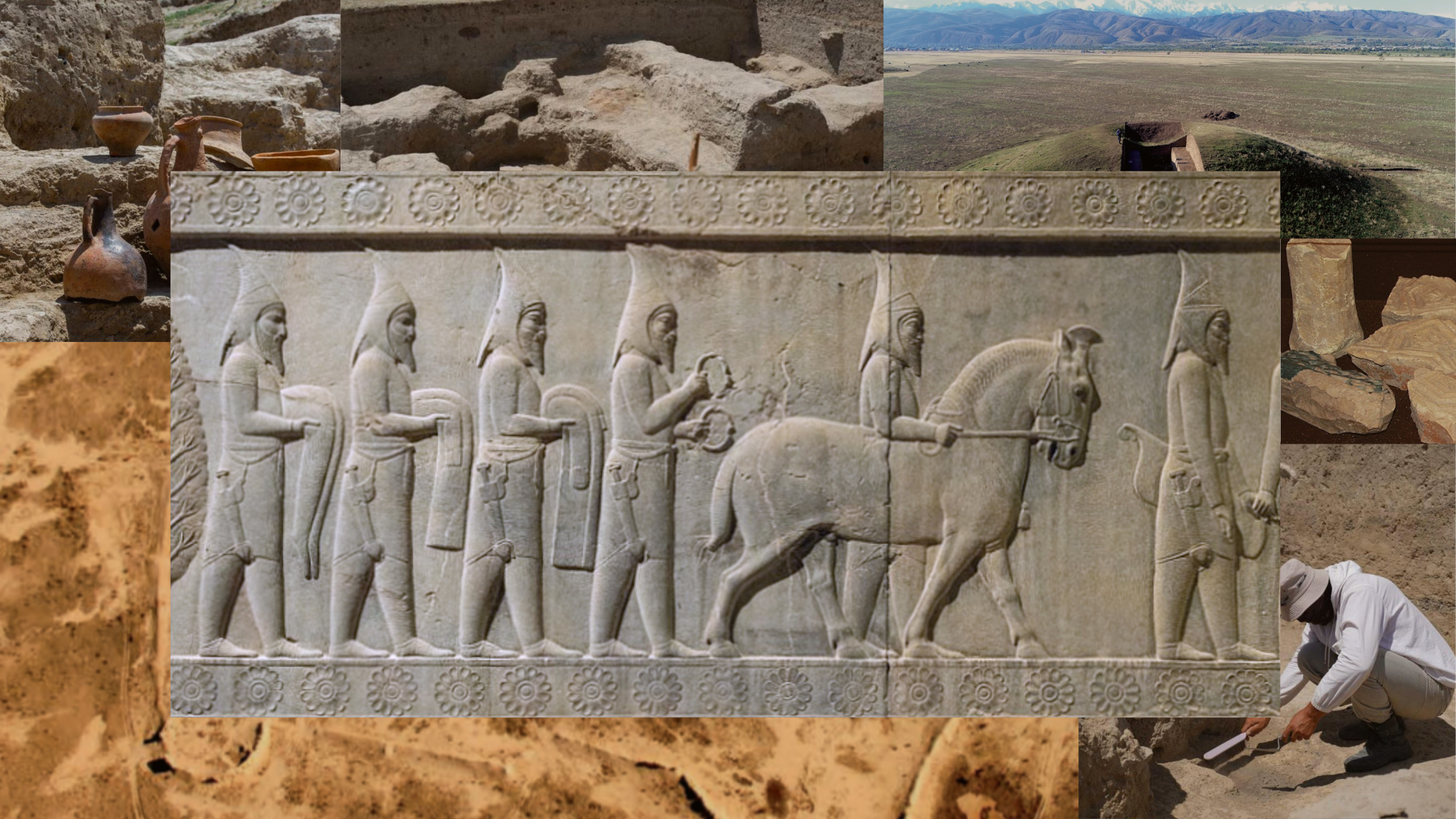
Archaeologists from across the Turkic world are forging a new path in cooperation, aiming to create a unified digital framework for studying the region's rich archaeological heritage. This collaborative effort seeks to present the area's history as an interconnected whole, rather than a series of separate national narratives.
The initiative, discussed at the third meeting of the Association of Research Institutes and Centers of Archaeology of the Turkic World (ARICA) in Hungary, centers on developing shared digital infrastructure. A primary proposal is the creation of an electronic atlas detailing archaeological sites, their locations, chronologies, research findings, and relevant publications. Plans also include a digital information portal and a comprehensive research database to streamline the exchange of data on expeditions, projects, conferences, and specialists.
This move towards practical cooperation is vital because ancient heritage, including settlements, trade routes, and cultural traditions, naturally spans across present-day political boundaries. A common digital research environment will empower scholars to analyze the history of Central Asia and the Eurasian steppe as a continuous, interconnected process.
Founded in 2023, ARICA, with the Turkic Academy playing a coordinating role, has brought together institutions from Kazakhstan, Azerbaijan, Kyrgyzstan, Türkiye, Uzbekistan, and Mongolia. The association's agenda is increasingly focused on joint research, including excavations, the study of Silk Road cities, early Turkic monuments, and nomadic cultures. Kazakhstan, through its Margulan Institute of Archaeology, is actively contributing data and fostering international partnerships to place the region's history within a broader context.
DistantNews Editorial
Originally published by The Astana Times. Summarized and contextualized by our editorial team with added local perspective. Read our editorial standards.
More Stories


From Our Blog

What Gets Lost (and Found) When News Is Translated

The Critical Role of Diaspora Media in Global News

What Travellers Should Know About Countries with Restricted Press

A Digital Nomad's Guide to Following Local News

How the Same Story Looks Different in Different Countries
