

Kazakhstan’s New Constitution Ushers in Citizen-Centered Era of Governance and Rights
Summarized and contextualized by DistantNews.
At a glance
News
Named sources
New plan
- Kazakhstan's new Constitution, effective July 1, marks a shift towards citizen-centered governance and rights.
- A conference in Astana discussed the Constitution's role in shaping the country's future, emphasizing human capital, science, and innovation.
- The new document strengthens constitutional guarantees for human rights, including digital rights and intellectual property, and requires national referendums for amendments.
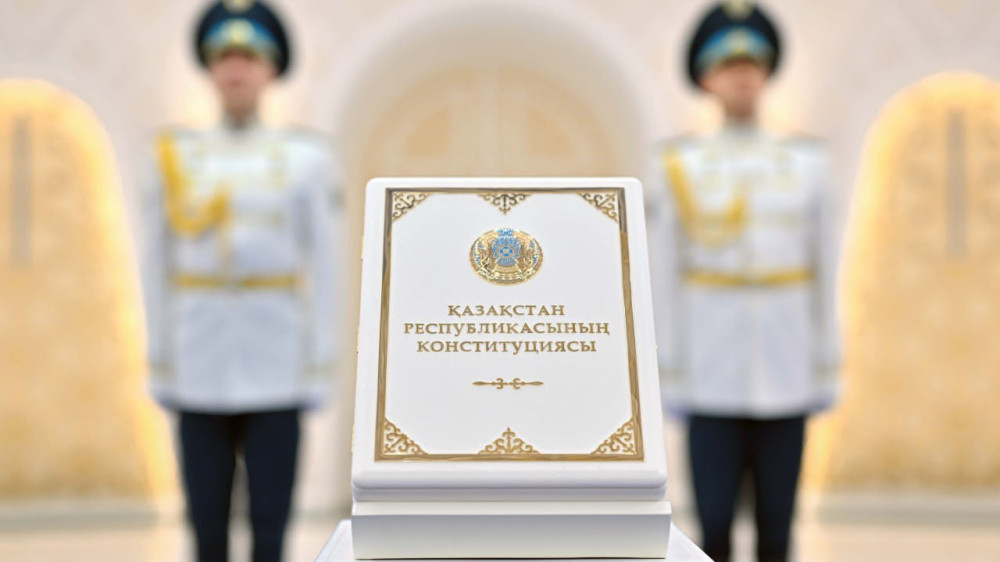
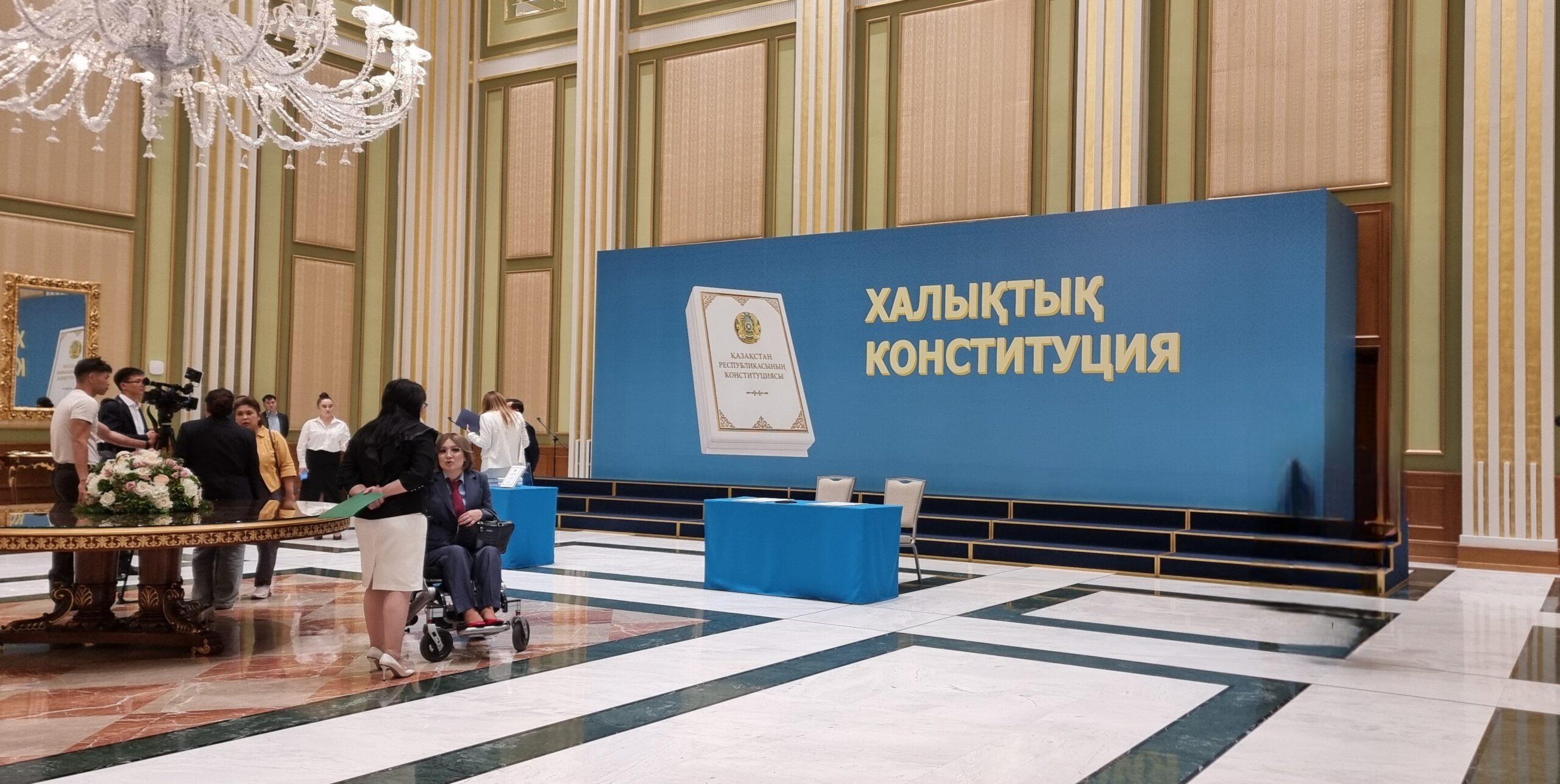
Kazakhstan has officially entered a new era of governance with the entry into force of its new Constitution on July 1. To mark the occasion, the Constitutional Court hosted a scientific and practical conference on June 30 in Astana. The event convened government officials, legal scholars, judges, international experts, and academics to deliberate on the Constitution's pivotal role in steering the nation's future development.
With the entry into force of the new Constitution, the Constitutional Court will promote the supremacy of the Constitution and strengthen the protection of constitutional values, marking the beginning of a new historical and legal phase in Kazakhstan’s development.
Constitutional Court Chair Elvira Azimova opened the conference, highlighting that the new Constitution signifies a fresh chapter in Kazakhstan's constitutional evolution. She emphasized that it reflects the people's will and establishes strategic priorities for governance, legal reform, and the robust protection of human rights. Azimova stated, "With the entry into force of the new Constitution, the Constitutional Court will promote the supremacy of the Constitution and strengthen the protection of constitutional values, marking the beginning of a new historical and legal phase in Kazakhstan’s development."
The 1995 Constitution was primarily a legal and political document. The new Constitution has become a strategic and values-based document.
Muslim Khassenov, a member of the Scientific Advisory Board under the Constitutional Court and an associate professor at Maqsut Narikbayev University, identified a fundamental philosophical shift. He explained that while the 1995 Constitution was primarily a legal and political document, the new Constitution is a strategic and values-based one. Khassenov noted its increased focus on developing human capital, science, education, and innovation, while simultaneously reaffirming Kazakhstan’s national identity. He pointed to the preamble's reference to the "centuries-old traditions of the Great Steppe" and the emphasis on the continuity of Kazakh statehood, asserting, "We are not copying a foreign model. We are building our own constitutional model that reflects our historical roots and traditions of public governance."
The preamble refers to the centuries-old traditions of the Great Steppe and emphasizes the continuity of Kazakh statehood. We are not copying a foreign model. We are building our own constitutional model that reflects our historical roots and traditions of public governance.
Furthermore, the new Constitution introduces enhanced constitutional guarantees for human rights. Khassenov highlighted the recognition of not only the freedom to work but the right to work itself, placing a greater responsibility on the state to create the necessary conditions for its realization. The document also incorporates constitutional protections for digital rights and intellectual property. A significant innovation is the strengthening of citizens' role in constitutional change, with amendments now requiring a national referendum. The Miranda rule has also been incorporated as a legal safeguard during criminal proceedings.
The Constitution now recognizes not only the freedom to work but the right to work itself, placing greater responsibility on the state to create conditions for its realization.
DistantNews Editorial
Originally published by The Astana Times. Summarized and contextualized by our editorial team with added local perspective. Read our editorial standards.
More Stories
From Our Blog

What Gets Lost (and Found) When News Is Translated

The Critical Role of Diaspora Media in Global News

What Travellers Should Know About Countries with Restricted Press

A Digital Nomad's Guide to Following Local News

How the Same Story Looks Different in Different Countries
