


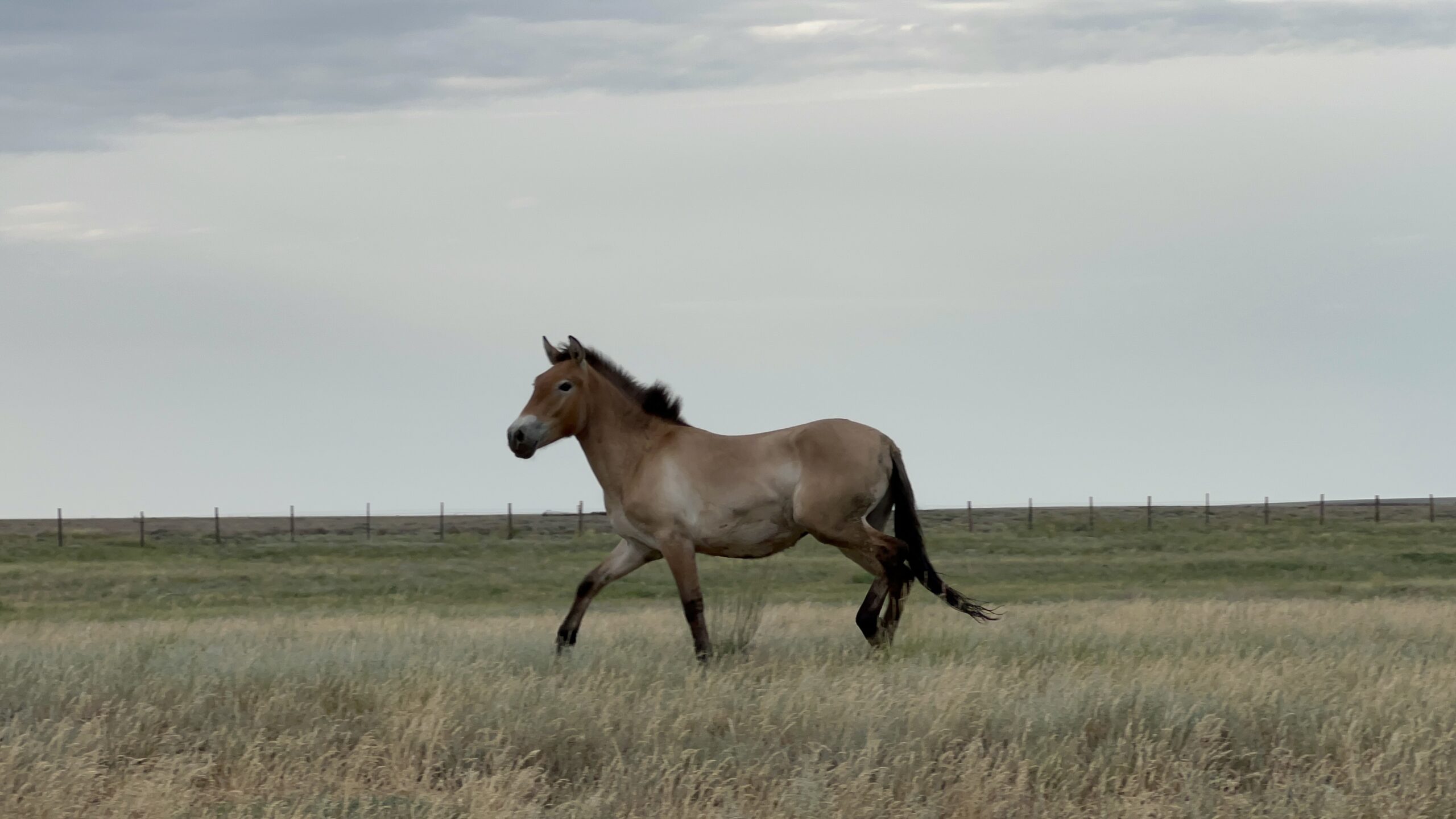
Kazakhstan’s Wildlife Recovery Expands From Protection to Reintroduction
Summarized and contextualized by DistantNews.
At a glance
News
Documents & data
Context piece
- Kazakhstan is expanding wildlife conservation efforts beyond protection to actively reintroducing species into their natural habitats.
- Recent census data shows significant population growth for several rare ungulates, including saiga antelope, kulans, and Bukhara deer.
- Reintroduction programs, such as those for Przewalski's horses and kulans, aim to establish self-sustaining populations and restore ecosystems.
Kazakhstan is shifting its conservation strategy from merely protecting wildlife to actively rebuilding populations through reintroduction programs, signaling a significant evolution in its environmental policy. Recent data from the Ministry of Ecology and Natural Resources reveals substantial growth in several rare ungulate populations across the country.
Census figures indicate healthy numbers for Bukhara deer (1,240), goitered gazelles (16,122), kulans (4,702), and argali (17,604). Most notably, the saiga antelope populations have surged, with nearly 3.98 million animals recorded across three distinct groups. This expansion demonstrates a move beyond preventing species extinction towards restoring them to their historical ranges.
The reintroduction process is complex, requiring conservationists to ensure suitable habitats, food sources, and protection mechanisms are in place before releasing animals. In the Altyn Dala State Nature Reserve, the Center for the Reintroduction of Wild Ungulates is housing Przewalski's horses, with plans to bring more to the country by 2029. Similarly, kulans are being relocated to establish new populations. The restoration of these large herbivores is expected to have cascading positive effects on wider food chains and ecosystems.
DistantNews Editorial
Originally published by The Astana Times. Summarized and contextualized by our editorial team with added local perspective. Read our editorial standards.
More Stories


From Our Blog

What Gets Lost (and Found) When News Is Translated

The Critical Role of Diaspora Media in Global News

What Travellers Should Know About Countries with Restricted Press

A Digital Nomad's Guide to Following Local News

How the Same Story Looks Different in Different Countries
