

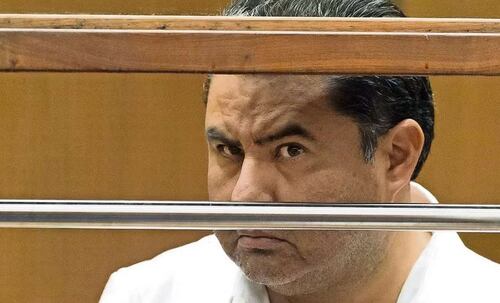
Keiko Fujimori and Lopez Aliaga Lead Peru Vote Count Amidst Election Woes
Translated from Spanish, summarized and contextualized by DistantNews.
TLDR
- Keiko Fujimori and Rafael Lopez Aliaga are leading the vote count in Peru's general elections.
- Fujimori's early lead is insufficient to secure a first-round victory, requiring a potential runoff.
- The election is taking place amidst Peru's ongoing political crisis, economic concerns, and rising crime.
Peru is once again at a critical juncture as preliminary results from the general elections show right-wing candidate Keiko Fujimori and ultraconservative Rafael Lopez Aliaga leading the vote count. With over 60% of ballots tallied, Fujimori holds a narrow lead, but it's not enough to avoid a second-round election, a scenario many Peruvians are weary of given the nation's recent political instability.
This election marks Fujimori's fourth attempt at the presidency, a testament to her enduring political presence despite past controversies. Lopez Aliaga, a former mayor of Lima, represents a strong ultraconservative challenge. The close race highlights the deep divisions within Peruvian society and the electorate's search for solutions to pressing issues like rising crime, the cost of living, and persistent corruption.
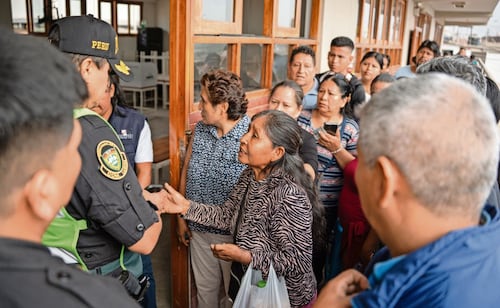
The electoral process itself has been marred by logistical failures, with some polling stations failing to open, disenfranchising voters. This has led to accusations of negligence against electoral officials, further eroding public trust in institutions already strained by a decade of political turmoil that has seen eight presidents and three congresses.
As Peruvians await the final results, there's a palpable sense of uncertainty. The outcome will shape the country's direction amidst significant social and economic challenges. The hope is for a stable government that can address the deep-seated problems plaguing the nation, though the fragmented political landscape suggests continued challenges ahead.
If I win, my party will have a spirit of dialogue in the next bicameral Congress.
DistantNews Editorial
Originally published by El Universal in Spanish. Translated, summarized, and contextualized by our editorial team with added local perspective. Read our editorial standards.
More Stories

From Our Blog

What Press Freedom Means for the News You Read

What Gets Lost (and Found) When News Is Translated

The Critical Role of Diaspora Media in Global News

What Travellers Should Know About Countries with Restricted Press

A Digital Nomad's Guide to Following Local News
