


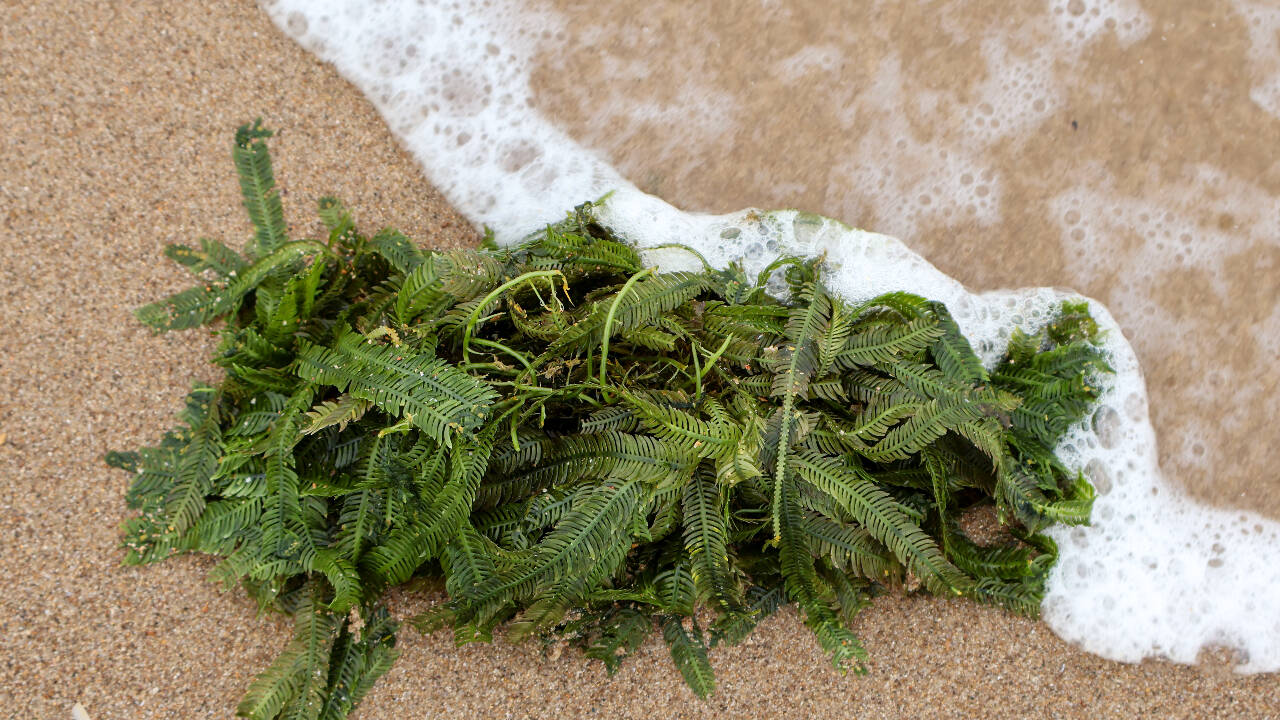
Killer Algae: How an Escaped Aquarium Plant Devastated California's Coastline in 2000
Translated from English, summarized and contextualized by DistantNews.
At a glance
News
Sources not specified
Outcome reported
- An invasive aquarium plant, Caulerpa taxiformis, caused a major ecological disaster in California in 2000.
- The fast-growing algae, mistakenly introduced, spread rapidly through coastal waters.
- Scientists are still studying the long-term impacts and management of this invasive species.
In 2000, a seemingly innocuous aquarium plant, Caulerpa taxiformis, triggered a significant ecological crisis along California's coast. This fast-growing marine algae, mistakenly introduced into the environment, spread with alarming speed, blanketing vast areas of the seabed. Its aggressive nature and rapid proliferation earned it the moniker "killer algae."
The discovery of the invasive species sent shockwaves through the scientific community and environmental agencies. Efforts to contain and eradicate the algae were launched, involving extensive manual removal and the use of tarps to suffocate it. However, the sheer scale of the infestation and the plant's resilience made complete eradication a monumental challenge.
Years later, the ecological impacts of Caulerpa taxiformis continue to be studied. The incident serves as a stark reminder of the devastating consequences that invasive species can have on native marine ecosystems. Scientists remain vigilant, monitoring for any resurgence and working to understand the long-term effects on biodiversity and coastal habitats.
DistantNews Editorial
Originally published by Times of India in English. Translated, summarized, and contextualized by our editorial team with added local perspective. Read our editorial standards.
More Stories

From Our Blog

What Press Freedom Means for the News You Read

What Gets Lost (and Found) When News Is Translated

The Critical Role of Diaspora Media in Global News

What Travellers Should Know About Countries with Restricted Press

A Digital Nomad's Guide to Following Local News
