


Korea's Chipmakers Celebrate Record Profits Amidst Growing Internal Tensions
Translated from Korean, summarized and contextualized by DistantNews.
TLDR
- South Korea's semiconductor giants, Samsung Electronics and SK Hynix, achieved record-high revenues and operating profits in the first quarter.
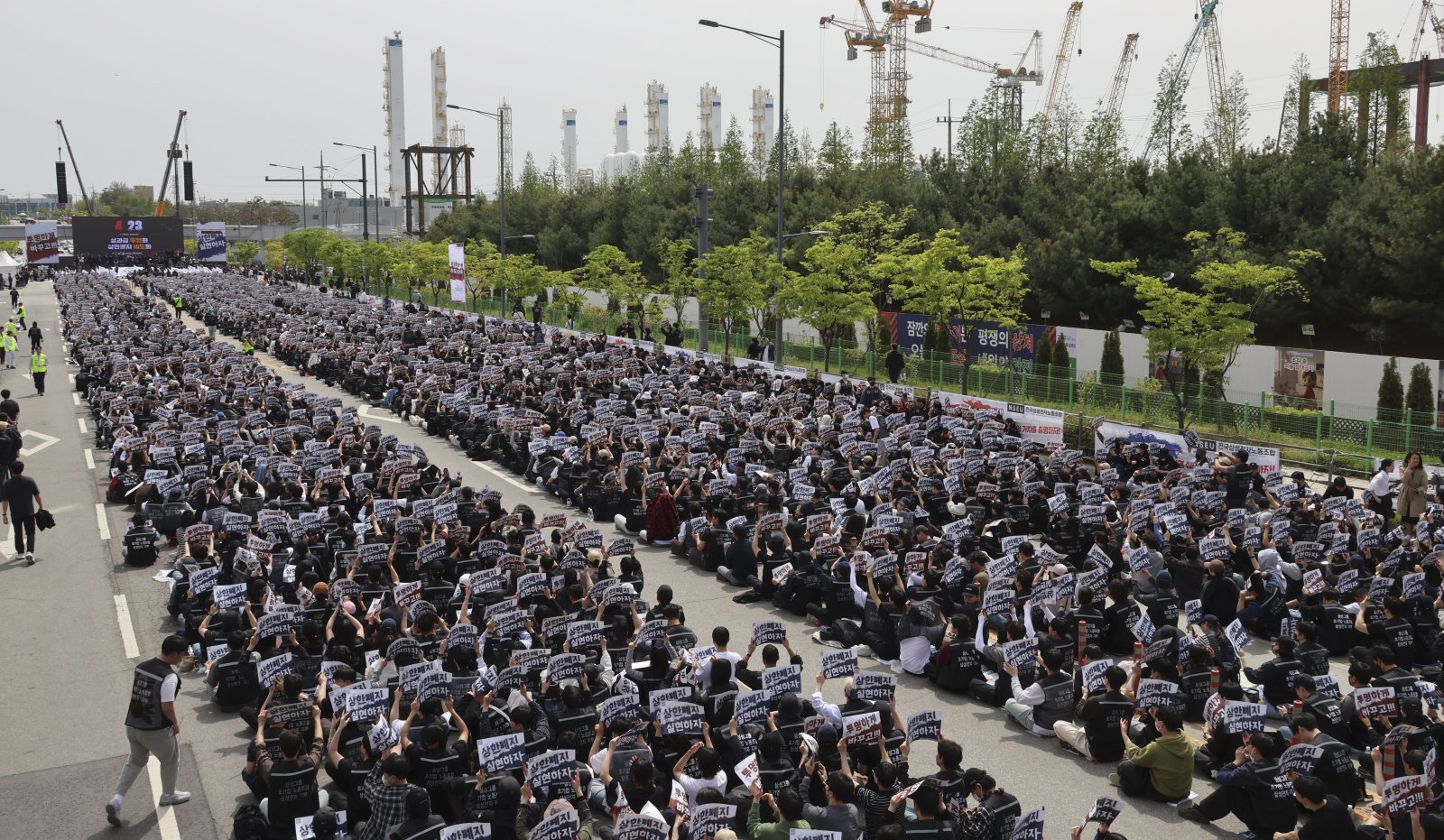
- Despite record profits, internal conflicts are emerging over bonus distribution, with labor unions demanding a larger share and subcontractors feeling excluded.
- Past attempts to implement profit-sharing systems by previous administrations faced resistance from major corporations, highlighting a recurring issue of equitable profit distribution in the industry.
The booming semiconductor industry in South Korea, spearheaded by giants like Samsung Electronics and SK Hynix, is currently experiencing unprecedented financial success, with record-breaking revenues and operating profits reported for the first quarter. Samsung Electronics, in particular, has posted an astonishing 57 trillion won in operating profits, a figure unmatched by any other Korean conglomerate. This period of immense profitability, however, is not without its internal tensions.
The surge in profits has intensified demands from various stakeholders. The Samsung Electronics labor union is threatening strike action if their demands for increased bonuses are not met, while shareholders eagerly anticipate higher dividends. This creates a complex dynamic where the company's success becomes a focal point for conflict as different groups vie for a larger share of the financial gains.
Adding to this internal friction is the growing sense of disenfranchisement among workers at Samsung's subcontractors. Despite performing demanding labor, these workers find themselves excluded from the profit-sharing discussions, observing from the sidelines as main contractors celebrate their bonuses. This highlights a stark hierarchy within the industry, where the value and achievements of labor are not equally recognized or rewarded.
This issue of equitable profit distribution is not new. Similar controversies arose in 2018 when the semiconductor industry also saw record earnings. At that time, SK Hynix's proposal for a substantial performance bonus was met with union objections, and subcontractors were once again excluded from profit distribution talks. Past administrations have attempted to address this disparity through policies like the "cooperative profit-sharing system." However, these initiatives have historically faced significant pushback from large corporations, often citing difficulties in fairly measuring subcontractor contributions and managing potential losses. The legacy of these past struggles suggests a persistent challenge in ensuring that the immense profits generated by South Korea's leading chipmakers are shared more equitably across the entire industry ecosystem.
DistantNews Editorial
Originally published by Hankyoreh in Korean. Translated, summarized, and contextualized by our editorial team with added local perspective. Read our editorial standards.
More Stories


From Our Blog

What Gets Lost (and Found) When News Is Translated

The Critical Role of Diaspora Media in Global News

What Travellers Should Know About Countries with Restricted Press

A Digital Nomad's Guide to Following Local News

How the Same Story Looks Different in Different Countries
