

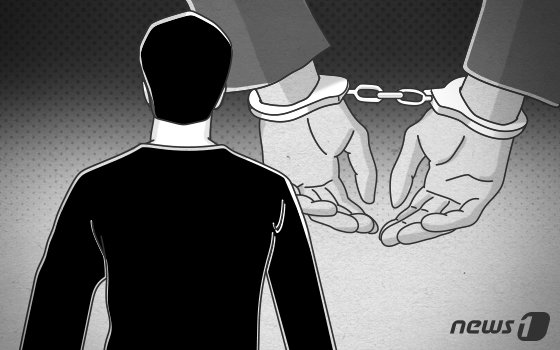

Korean appeals court lowers ex-PM’s sentence to 15 years in insurrection trial
Summarized and contextualized by DistantNews.
TLDR
- A South Korean appeals court reduced former Prime Minister Han Duck-soo's sentence from 23 to 15 years.
- Han was convicted for his role in the 2024 martial law crisis, including falsifying documents and perjury.
- The court acknowledged his duty to check the president's authority but stated he could not avoid punishment.
The Hankyoreh reports on the appeals court's decision to reduce former Prime Minister Han Duck-soo's sentence in the 2024 martial law crisis trial. While the lower court had handed down a 23-year sentence, the Seoul High Court has now reduced it to 15 years. This development is significant as it pertains to the accountability of high-ranking officials involved in the controversial declaration of martial law by former President Yoon Suk-yeol.
Han Duck-soo faced serious charges, including engaging in essential activities in service of an insurrection, falsification of official documents, and perjury. His alleged actions involved attempting to legitimize the martial law declaration by fabricating Cabinet deliberations and backdating signatures. He was also accused of destroying an ex-post-facto proclamation and feigning ignorance during Yoon's impeachment trial. The appeals court's decision acknowledges the gravity of these actions while adjusting the penalty.
The judge's statement during the sentencing highlighted Han's duty as Prime Minister to guide the president within legal boundaries and to prevent the abuse of authority. This underscores the principle that even those in high office are subject to legal scrutiny and cannot escape consequences for their involvement in unconstitutional acts. The reduction in sentence, however, may be interpreted in various ways, reflecting the complexities of judicial review and the specific circumstances of the case.
From a South Korean perspective, as presented by The Hankyoreh, this case is a critical examination of the rule of law and the checks and balances within the government. The focus is on ensuring that such a crisis, involving the potential subversion of democratic processes, is thoroughly investigated and that those responsible are held accountable. While the appeals court has modified the sentence, the underlying charges and Han's role remain central to the ongoing discourse about the integrity of South Korea's democratic institutions and the consequences of actions taken during times of political turmoil.
It was the defendant’s duty to guide the president in the legal exercise of his authority and to duly act to check or prevent the wrongful exercise of that authority. The defendant cannot avoid facing stern punishment commensurate to his position.
DistantNews Editorial
Originally published by Hankyoreh. Summarized and contextualized by our editorial team with added local perspective. Read our editorial standards.
More Stories

From Our Blog

What Gets Lost (and Found) When News Is Translated

The Critical Role of Diaspora Media in Global News

What Travellers Should Know About Countries with Restricted Press

A Digital Nomad's Guide to Following Local News

How the Same Story Looks Different in Different Countries
