

Kuala Lumpur City Hall to monitor Rohingya refugee issues, cooperate with police
Translated from Malay, summarized and contextualized by DistantNews.
At a glance
News
Sources not specified
Context piece
- Kuala Lumpur City Hall (DBKL) will monitor the issue of Rohingya refugees in the capital and cooperate with law enforcement.
- DBKL is ready to assist the Royal Malaysia Police (PDRM) if needed to maintain public order.
- The city mayor stated that all individuals in Malaysia, including foreigners, are subject to existing laws and DBKL regulations.
Kuala Lumpur City Hall (DBKL) has pledged to actively monitor the situation involving Rohingya refugees in the capital and will collaborate closely with enforcement agencies to ensure public order is maintained. The commitment comes amid concerns over the presence and movement of the refugee community within the city.
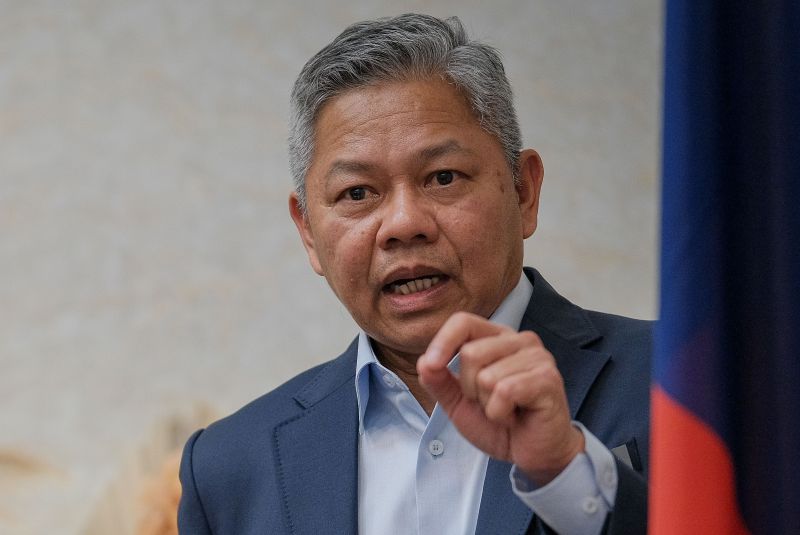
Datuk Bandar Kuala Lumpur, Datuk Seri Fadlun Mak Ujud, affirmed DBKL's readiness to support the Royal Malaysia Police (PDRM) should their assistance be required. "If DBKL's cooperation is needed, we are always ready to help. We assess the current situation, and PDRM will always be in contact with us if there is a need," he stated.
If DBKL's cooperation is needed, we are always ready to help. We assess the current situation, and PDRM will always be in contact with us if there is a need.
Fadlun made these remarks following a site visit with the Minister in the Prime Minister's Department (Federal Territories), Hannah Yeoh, at the Seri Pantai People's Housing Program (PPR). He emphasized that all individuals residing in Malaysia, regardless of their nationality, are bound by the country's laws and regulations under DBKL's jurisdiction.
This statement follows an incident where hundreds of Rohingya ethnic individuals, reportedly displaced from Kuala Muda in Penang, arrived at the UNHCR office in Bukit Petaling, Kuala Lumpur. Police reported relocating 113 individuals, including a man from Iraq, a woman from Somalia, and a woman from Indonesia who is married to a Rohingya man. The majority of those relocated were Rohingya refugees, comprising 36 men, 21 women, 31 boys, and 22 girls, aged between one month and 60 years. They were taken to the Kuala Lumpur Contingent Police Headquarters (IPK) with UNHCR representatives and were later permitted to leave for locations designated by NGOs, provided they held valid UNHCR documents.
All individuals, including foreign nationals, in this country are subject to existing laws, including regulations under DBKL's jurisdiction.
DistantNews Editorial
Originally published by Utusan Malaysia in Malay. Translated, summarized, and contextualized by our editorial team with added local perspective. Read our editorial standards.
More Stories

From Our Blog

What Gets Lost (and Found) When News Is Translated

The Critical Role of Diaspora Media in Global News

What Travellers Should Know About Countries with Restricted Press

A Digital Nomad's Guide to Following Local News

How the Same Story Looks Different in Different Countries
