

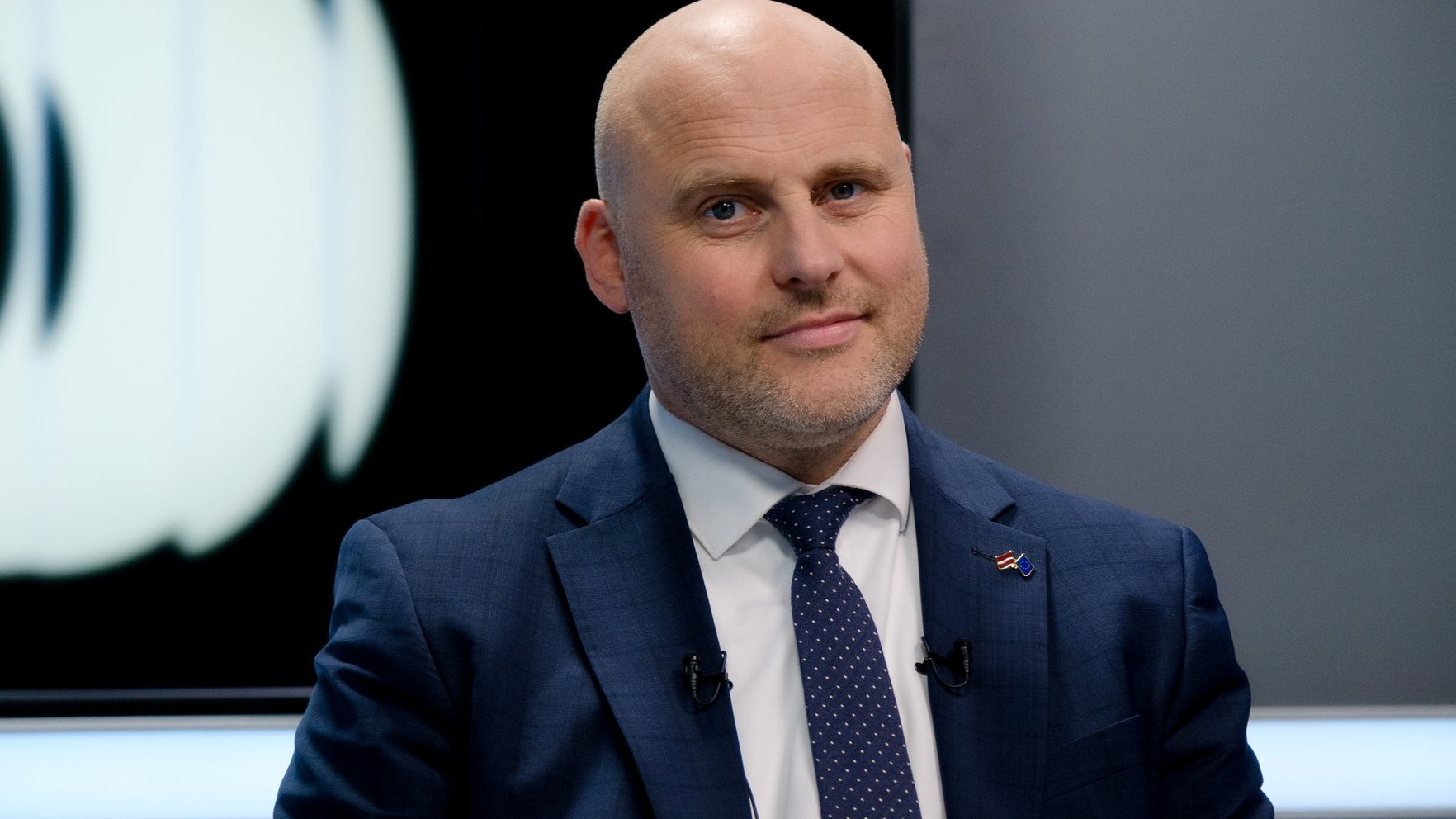
Kulbergs Sees Problems Cooperating with LPV, But Doesn't Draw a 'Red Line' Yet
Translated from Latvian, summarized and contextualized by DistantNews.
At a glance
News
Named sources
Context piece
- Latvian Prime Minister Kulbergs sees significant problems with potential cooperation with the LPV party.
- He finds the LPV's candidates and internal dynamics "very strange" and "toxic."
- Kulbergs, however, draws clear lines against the "Suverēnā vara/Apvienība Jaunlatvieši" and "Stabilitātei!" parties, stating no desire for common ground.
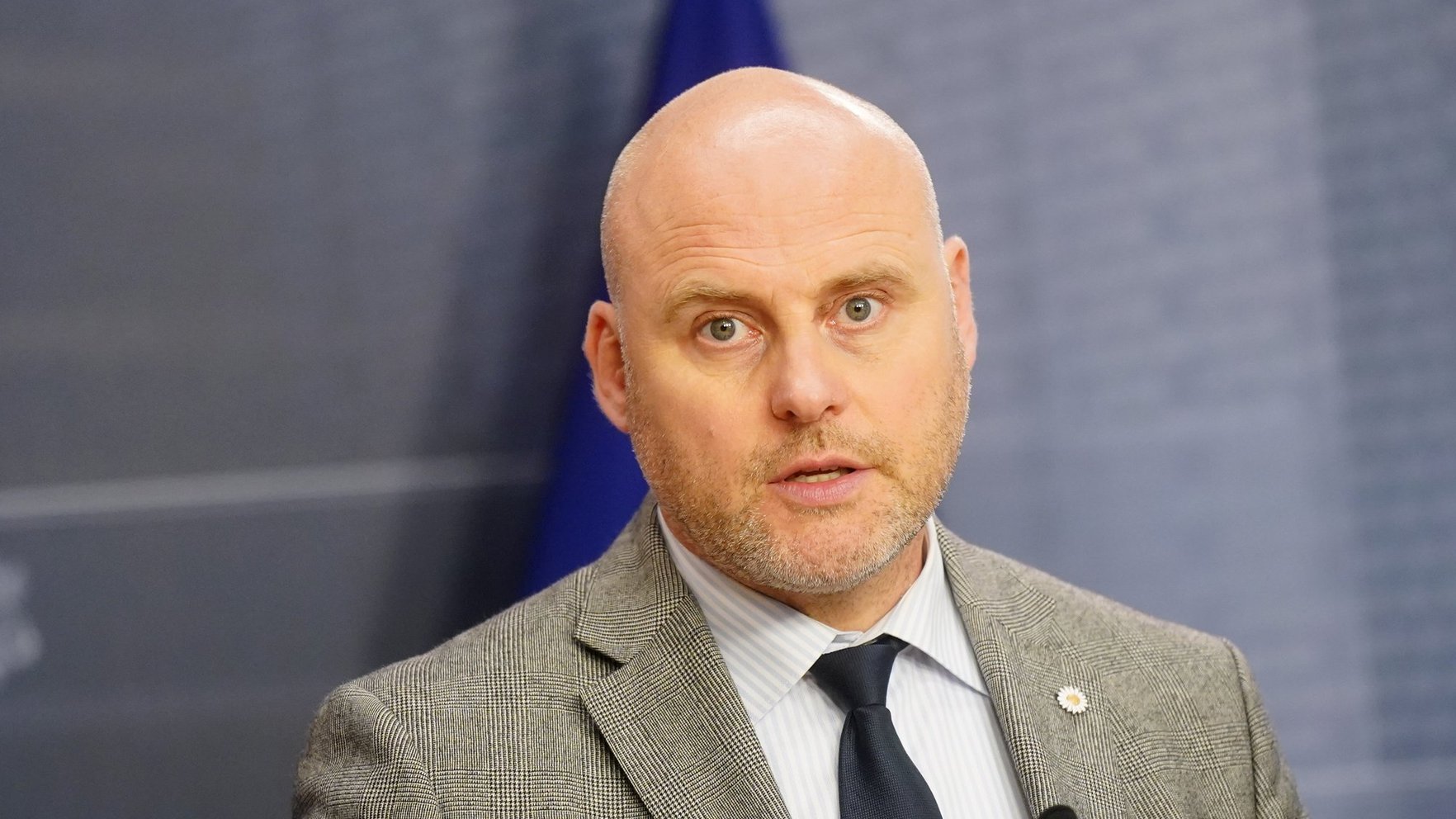
Latvian Prime Minister Krišjānis Kariņš has expressed significant reservations about potential cooperation with the Latvian Russian Union (LPV) party following the upcoming parliamentary elections. In an interview with the LETA agency's podcast "Kas tas vispār bija?" (What was that at all?), Kulbergs described the LPV's composition and candidates as "very strange" and containing "a lot of toxic" elements, making future collaboration difficult to envision.
I already said over the summer that the final disintegration of the majority of the Reform Party and Eesti 200 coalition has begun in parliament, and so it is. Kristen Michal's government is politically doomed.
Kulbergs stated that while the voter's decision on October 3rd will be final, he foresees serious issues in working with the LPV. He emphasized that the current situation does not bring him joy, especially considering the turbulent global times and Estonia's vulnerability, which necessitate decisive economic actions. However, he drew firm boundaries regarding other parties, explicitly ruling out any cooperation with "Suverēnā vara/Apvienība Jaunlatvieši" and "Stabilitātei!," stating there is "not even a second thought" about working with them.
The question is no longer whether the prime minister can be impeached, but only whether there is the will and when.
When questioned about his public communication style, Kulbergs acknowledged that people are tired of politically correct speech and "word salads." He defended his use of stronger language, asserting that sometimes the situation demands it. He used an analogy, stating, "If someone brings me shit, I call it that." Kulbergs believes this directness, which he applied to his criticism of ministry presentations on NGO funding, is something that has been lacking in Latvian politics.
Does this make me happy? Not at all. The world is in crazy times, Estonia is a small and vulnerable country. Decisions are also needed to restart the economy.
DistantNews Editorial
Originally published by Delfi Latvia in Latvian. Translated, summarized, and contextualized by our editorial team with added local perspective. Read our editorial standards.
More Stories

From Our Blog

What Gets Lost (and Found) When News Is Translated

The Critical Role of Diaspora Media in Global News

What Travellers Should Know About Countries with Restricted Press

A Digital Nomad's Guide to Following Local News

How the Same Story Looks Different in Different Countries
