

Kuwait oil exports halted by Hormuz closure; new pipeline routes sought
Translated from English, summarized and contextualized by DistantNews.
At a glance
News
Named sources
Context piece
- Kuwait's oil exports have completely halted due to the closure of the Strait of Hormuz, with no timeline for reopening.
- Kuwait is collaborating with Saudi Arabia and other Arab nations to develop new oil export pipelines to the Red Sea or Fujairah Port as alternatives.
- A multinational maritime defense alliance has been established to enhance security, protect navigation, and safeguard international trade routes.
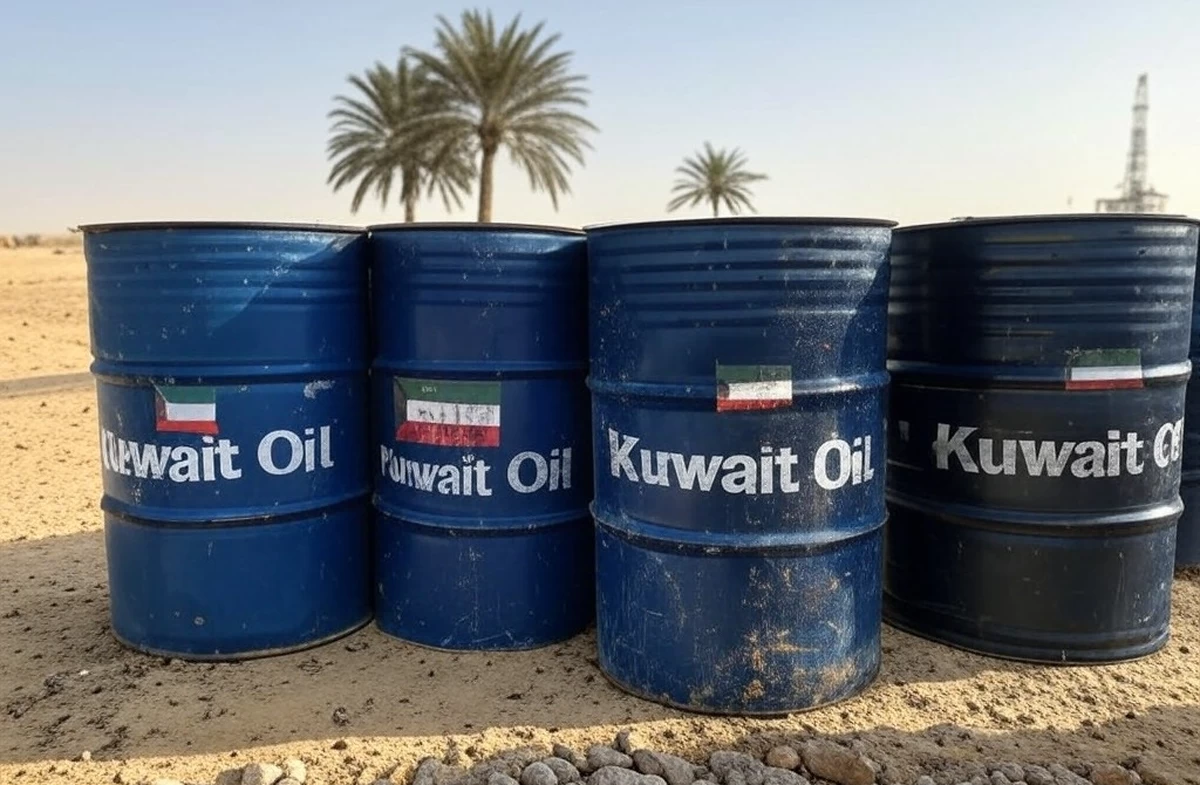
Kuwait's oil exports have come to a complete standstill as the Strait of Hormuz remains closed, according to Oil Minister Tariq Al-Roumi. The de facto closure by Iran has severely impacted Kuwait, which is geographically positioned at the northern end of the Persian Gulf, making it highly vulnerable to disruptions in shipping traffic.
In response to the crisis, Kuwait is actively pursuing alternative export routes. Al-Roumi revealed that the country is in talks with Saudi Arabia and other Arab states to establish new crude oil export pipelines. One proposed route would connect Kuwait to the Red Sea via Saudi Arabia or Oman, while another would link it to Fujairah Port in the United Arab Emirates.
The timeline for reopening the Strait of Hormuz is uncertain. Reports suggest the United States, Iran, and Oman are nearing a temporary agreement, but Al-Roumi confirmed that Kuwait's exports remain at zero as long as the strait is impassable. Furthermore, it is estimated that it will take at least a year to repair oil storage tanks damaged by Iranian attacks.
The exports remain zero as long as the Strait of Hormuz is closed.
Meanwhile, Saudi Arabia announced the appointment of Rear Admiral Abdullah Al-Shehri as commander of the newly established Multinational Maritime Defense Alliance. This alliance aims to bolster maritime security, protect freedom of navigation, secure vital waterways, and safeguard international trade and supply chains. The alliance is open to all countries that align with its objectives, with further meetings planned to finalize institutional requirements and enhance cooperation.
Iran's Foreign Ministry spokesperson, Esmail Baghaei, has indicated ongoing discussions regarding the Strait of Hormuz with Oman, which borders the waterway. The situation highlights the critical importance of the Strait of Hormuz, a vital chokepoint for global oil transport, and the increasing efforts to secure maritime routes amidst regional tensions.
The appointment follows the alliance’s establishment announcement on July 30, 2026 and aims to strengthen its ability to support maritime security, protect freedom of navigation, secure waterways and straits, and safeguard international trade and global supply chains.
DistantNews Editorial
Originally published by Arab Times in English. Translated, summarized, and contextualized by our editorial team with added local perspective. Read our editorial standards.
More Stories


From Our Blog

What Gets Lost (and Found) When News Is Translated

The Critical Role of Diaspora Media in Global News

What Travellers Should Know About Countries with Restricted Press

A Digital Nomad's Guide to Following Local News

How the Same Story Looks Different in Different Countries
