


Lagos expands rail master plan to 11 lines, signs MoU for railway training centre
Summarized and contextualized by DistantNews.
At a glance
News
Named sources
New plan
- Lagos State has expanded its transport master plan, increasing the number of planned rail lines from six to 11, plus one monorail.
- The state government, through LAMATA, signed an MoU with CCECC to establish a Railway Training Centre to develop skilled manpower for the expanding rail network.
- This expansion aims to improve mass transit, meet growing population needs, create jobs, and reduce reliance on foreign expertise for operating and maintaining the rail infrastructure.
Lagos State is significantly scaling up its public transportation infrastructure, expanding its Strategic Transport Master Plan from six to 11 rail lines and adding a monorail. This ambitious move aims to enhance mass transit and address the transportation demands of its rapidly growing population.
The expansion of the rail network has made it necessary to establish a globally certified railway training institution to equip Nigerians with skills in railway operations, signalling, maintenance and customer service.
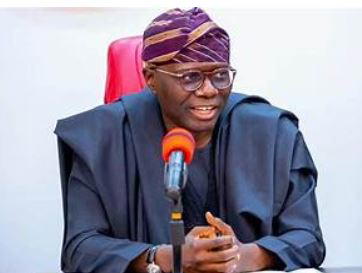
The Lagos Metropolitan Area Transport Authority (LAMATA) formalized a partnership with China Civil Engineering Construction Corporation (CCECC) by signing a Memorandum of Understanding (MoU). This agreement will establish a Railway Training Centre, crucial for developing a skilled workforce to manage and operate the state's burgeoning rail network. LAMATA's Managing Director, Mrs. Abimbola Akinajo, stated that the revised plan reflects the state's long-term vision for an integrated and efficient public transport system.
A key objective of the training center is to ensure that Nigerians are equipped with the necessary skills in railway operations, signaling, maintenance, and customer service. Akinajo emphasized the goal of having the rail infrastructure largely operated and maintained by Nigerians, which is expected to generate employment, decrease dependence on foreign specialists, and bolster the local economy. Since the Blue and Red lines began commercial operations, over 400 personnel have received training, with the Blue Line now boasting over 90 percent local staffing.
The state aims to ensure that its rail infrastructure is operated and maintained largely by Nigerians, a move expected to create jobs, reduce dependence on foreign expertise and strengthen the local economy.
The CCECC Vice President, Sun Xiangchun, lauded the initiative as timely, noting the center will integrate classroom learning, practical training, and simulations. This capacity-building effort is integral to Lagos developing what is anticipated to become one of Africa's largest urban rail networks. The state is also exploring extending the Red Line into neighboring Ogun State to improve regional connectivity, aligning with the Lagos State 2050 Mobility Master Plan that prioritizes rail, Bus Rapid Transit, and ferry services to combat traffic congestion and promote sustainable transport.
The proposed Railway Training Centre is timely, saying it would combine classroom instruction, practical training and simulation-based learning to produce skilled railway professionals.
DistantNews Editorial
Originally published by Vanguard. Summarized and contextualized by our editorial team with added local perspective. Read our editorial standards.
More Stories


From Our Blog

How the Same Story Looks Different in Different Countries

What Gets Lost (and Found) When News Is Translated

The Critical Role of Diaspora Media in Global News

What Travellers Should Know About Countries with Restricted Press

A Digital Nomad's Guide to Following Local News
