


Landscaping ideas that solve problems and decorate simultaneously
Translated from Spanish, summarized and contextualized by DistantNews.
TLDR
- Contemporary landscape design prioritizes intelligent solutions that serve both practical and aesthetic functions.
- Key elements include well-defined borders for order and easy maintenance, and permeable pathways that manage water and add texture.
- Integrated seating and strategic planter use in small spaces help define areas and create inviting environments.
In the realm of contemporary landscaping, the focus has shifted from mere ornamentation to intelligent design that seamlessly integrates practical needs with aesthetic appeal. This approach transforms gardens into more functional, clearer, and engaging spaces by employing precise, understated resources.
Hay ideas que transforman por completo la experiencia de un jardín. Se integran con naturalidad, ocupan el lugar justo y responden a una necesidad concreta: mejorar una circulación, resolver un límite difuso o activar un rincón olvidado.
One of the fundamental aspects of this design philosophy is the creation of well-defined borders. Whether achieved through steel, wood, or subtle material transitions, these edges provide visual order, contain different garden zones, and significantly simplify maintenance by preventing overgrowth. This precision in defining boundaries adds clarity without demanding elaborate interventions.
Un borde bien definido cambia por completo la lectura del jardín. Puede resolverse con una línea de acero, una madera apenas elevada o una transición sutil entre materiales.
Pathways are another crucial element, serving not only to connect different areas but also to guide the experience of moving through the garden. The use of permeable materials like gravel or spaced pavers allows for natural water infiltration, respecting the soil's behavior while introducing textural richness and rhythmic flow. These solutions organize circulation in a more flexible and organic manner.
Las soluciones permeables —como la grava o las losas separadas— permiten que el agua infiltre y acompañan el comportamiento natural del suelo.
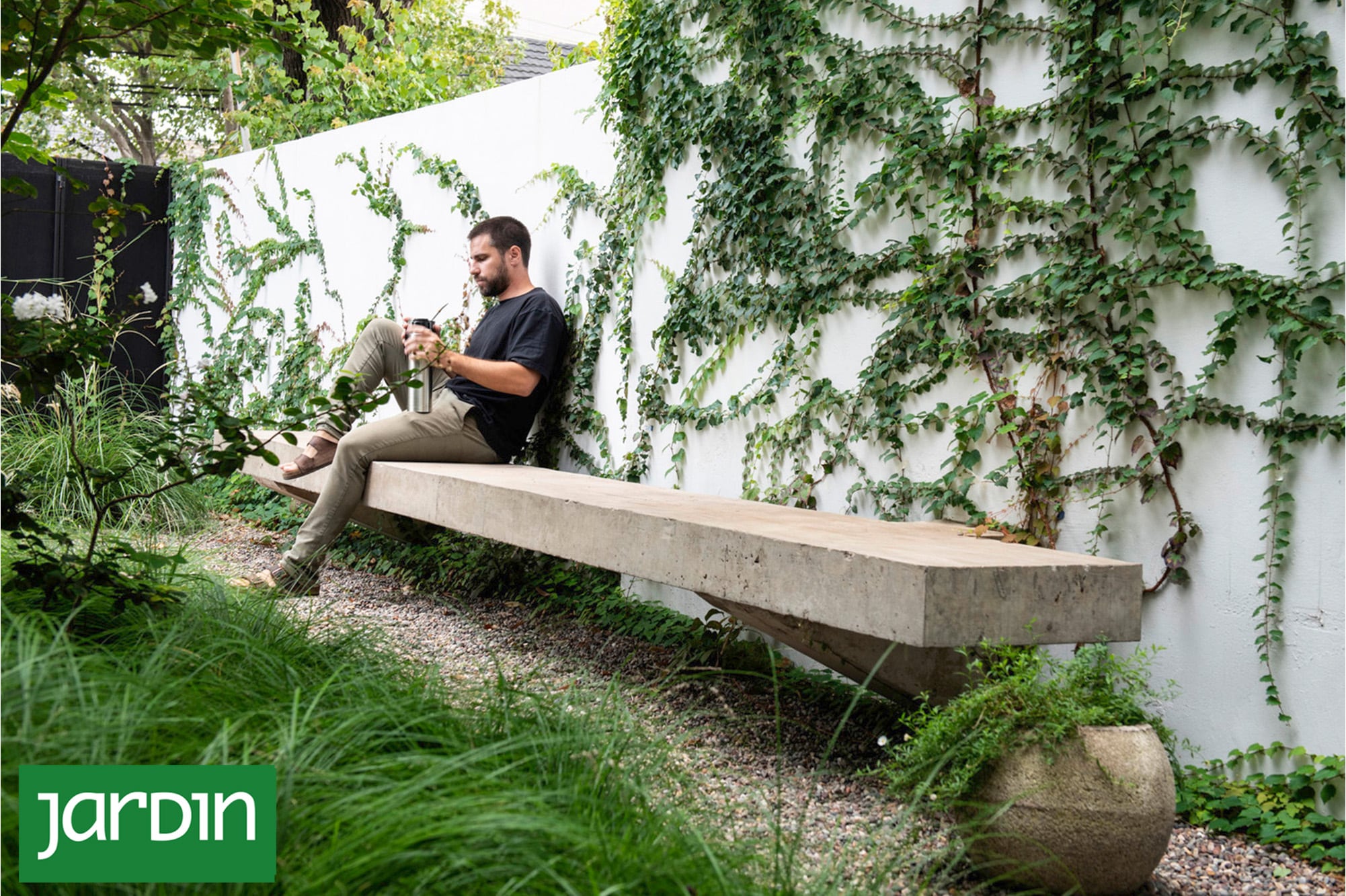
Furthermore, integrated elements like benches that become part of a planter bed or low wall, turn transitional spaces into destinations. They invite pause and create opportunities for inhabitation, making every element contribute to the garden's usability. In smaller areas such as patios, planters take on a structural role, defining zones, adding verticality, and layering vegetation with flexibility and order. Even subtle low lighting enhances the atmosphere and guides movement after dark, demonstrating how thoughtful design elevates the perception and enjoyment of outdoor spaces.
Cuando se incorpora a un cantero, a un muro bajo o a un desnivel, deja de ser un objeto aislado para convertirse en parte del diseño del jardín.
DistantNews Editorial
Originally published by La Nación in Spanish. Translated, summarized, and contextualized by our editorial team with added local perspective. Read our editorial standards.
More Stories


From Our Blog

What Gets Lost (and Found) When News Is Translated

The Critical Role of Diaspora Media in Global News

What Travellers Should Know About Countries with Restricted Press

A Digital Nomad's Guide to Following Local News

How the Same Story Looks Different in Different Countries
