


🇦🇹
Austria
Last-Ditch Effort to Save Stranded Humpback Whale 'Timmy' Underway
Translated from German, summarized and contextualized by DistantNews.
TLDR
- Private rescuers are attempting to save a humpback whale stranded on a sandbank off the coast of Poel, Germany.
- The rescue operation involves using air cushions to lift the massive animal, with efforts complicated by the whale's prolonged time on the seabed.
- The whale, nicknamed "Timmy," has been stuck for over two weeks, raising concerns about its deteriorating condition and the ethics of the rescue attempt.
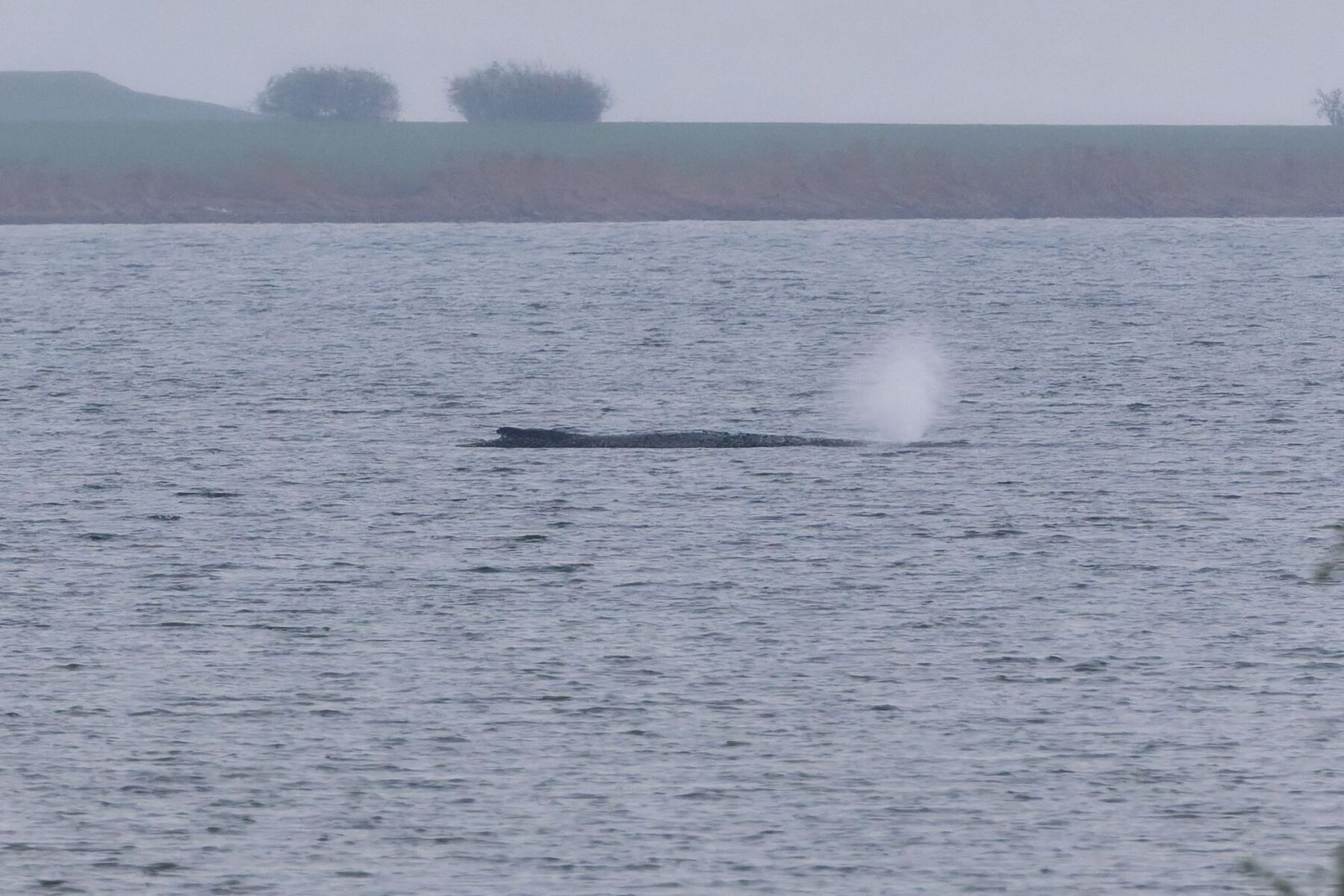
A determined group of private individuals is making a last-ditch effort to rescue a humpback whale, affectionately nicknamed "Timmy," stranded on a sandbank near the German island of Poel in the Baltic Sea. The whale has been stuck for over two weeks, a situation that has captured public attention and sparked a complex debate about intervention versus allowing nature to take its course.
The animal is severely weakened. It has not eaten for at least three weeks and should be allowed to die in peace. I can't imagine this rescue attempt will succeed.
The rescue plan, spearheaded by businessman Walter Gunz, involves a sophisticated operation to lift the multi-ton whale using air cushions. This ambitious attempt aims to move the animal to deeper waters, potentially guiding it towards the North Sea and the Atlantic Ocean. However, the operation faces significant challenges, including the need to excavate the seabed beneath the whale and the inherent risks of transporting such a large and weakened creature.
We pondered for weeks who should be responsible for the whale. It's as if we stood by watching a severely injured person instead of doing something about it.
While the rescuers are driven by a desire to save a life, some marine biologists express skepticism. They point to the whale's prolonged distress, lack of feeding for weeks, and weakened state, suggesting that the rescue might cause further suffering. This divergence in opinion highlights the difficult ethical considerations involved when humans attempt to intervene in natural events, especially when the outcome remains uncertain. The public's emotional investment, fueled by media coverage and the whale's audible distress, adds another layer of pressure to this extraordinary rescue mission.
The experts say the whale will die anyway, but it is a young whale. Maybe it will die, but we don't know that. One should always try to save a life.
DistantNews Editorial
Originally published by Die Presse in German. Translated, summarized, and contextualized by our editorial team with added local perspective. Read our editorial standards.
More Stories



From Our Blog

What Gets Lost (and Found) When News Is Translated

The Critical Role of Diaspora Media in Global News

What Travellers Should Know About Countries with Restricted Press

A Digital Nomad's Guide to Following Local News

How the Same Story Looks Different in Different Countries
