


Lesbos Farmers to Rally Again Over Foot-and-Mouth Disease Response
Translated from Greek, summarized and contextualized by DistantNews.
TLDR
- Farmers and livestock breeders on Lesbos are planning a new protest on Monday over the government's handling of foot-and-mouth disease.
- They accuse the government of excluding them from crucial meetings and providing inadequate compensation for culled animals.
- Protesters are demanding better support, including full coverage of insurance and tax obligations, and criticize the veterinary service's staffing shortages.
The agricultural community on the island of Lesbos is once again taking to the streets, signaling deep dissatisfaction with the government's response to the foot-and-mouth disease outbreak. The Federation of Agricultural Associations of Lesbos has announced a new demonstration for Monday, April 27, to voice their grievances directly to the General Secretary of the Aegean and Island Policy, who is visiting the island. This mobilization underscores the persistent frustration among farmers and livestock breeders who feel ignored and sidelined by official bodies. They are particularly incensed by what they describe as a "unprecedented and methodical exclusion" from meetings where decisions affecting their livelihoods were made. The federation claims that the government, in its public statements, has presented a misleading picture of satisfaction, while farmers are receiving only "lies and delays" regarding compensation for their culled animals. The promised 8 million euro fund, they argue, primarily benefits cheesemakers, leaving producers who lost milk and meat production with insufficient support. This perceived neglect is fueling anger and a sense of betrayal among the island's agricultural backbone. From our perspective here in Lesbos, the national government's approach appears detached from the harsh realities faced by those on the ground. While national news might focus on official statements and aid packages, we see the daily struggle and the growing despair. The government's failure to adequately address the economic losses, coupled with the perceived lack of urgency in processing compensation, has eroded trust. Furthermore, the ongoing issues with the veterinary service, which continues to operate with a skeletal staff, and the insufficient disinfection protocols, highlight a systemic failure to protect the island's vital agricultural sector. The call for vaccination and eradication, as proposed by veterinary experts, versus the government's current strategy, raises serious questions about their commitment to preserving the unique Lesbos breed and the island's economy. The comparison with Cyprus, where vaccination has allowed for continued exports, further sharpens the criticism of the Greek government's policies. This is not just about disease control; it's about the survival of our agricultural heritage and economy.
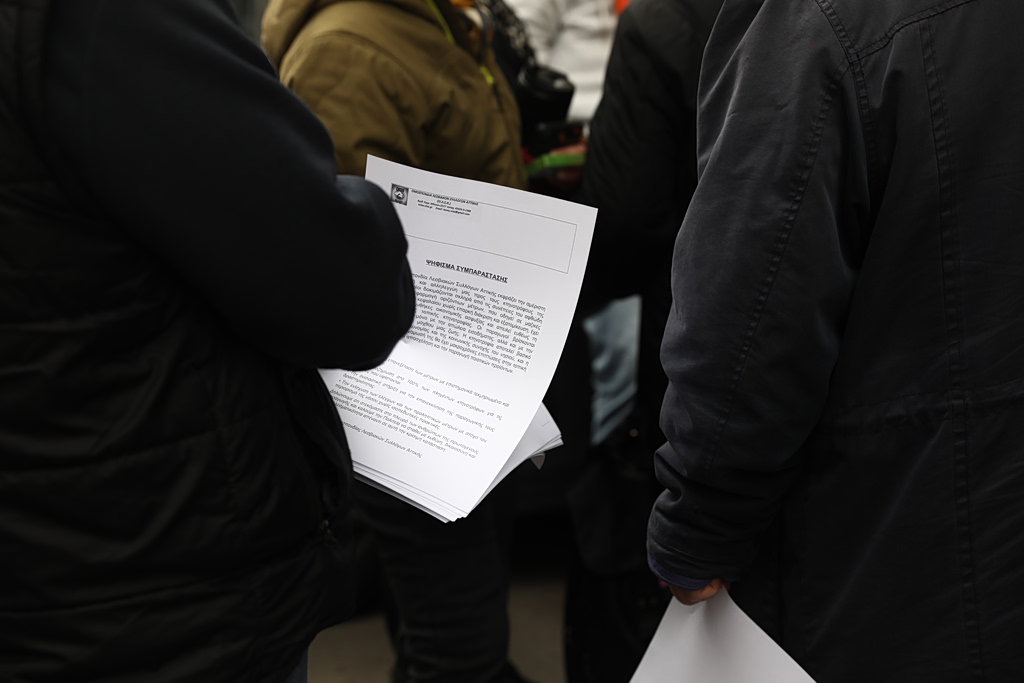
The Federation of Agricultural Associations of Lesbos announces the organization of a gathering on Monday.
DistantNews Editorial
Originally published by Ta Nea in Greek. Translated, summarized, and contextualized by our editorial team with added local perspective. Read our editorial standards.
More Stories



From Our Blog

What Gets Lost (and Found) When News Is Translated

The Critical Role of Diaspora Media in Global News

What Travellers Should Know About Countries with Restricted Press

A Digital Nomad's Guide to Following Local News

How the Same Story Looks Different in Different Countries
