


Let’s stalk the pink chicks of Muzaffargarh
Summarized and contextualized by DistantNews.
At a glance
In-depth
Named sources
Context piece
- A flock of 43 greater flamingos, including many juveniles, has returned to the Rangla Wetland Complex in South Punjab, Pakistan, after a 50-year absence.
- Researchers were surprised to observe young flamingos, as migratory birds typically mature before undertaking the long journey.
- The unusual presence of the flamingos, especially the young ones, has sparked scientific curiosity and various hypotheses about their migration patterns.
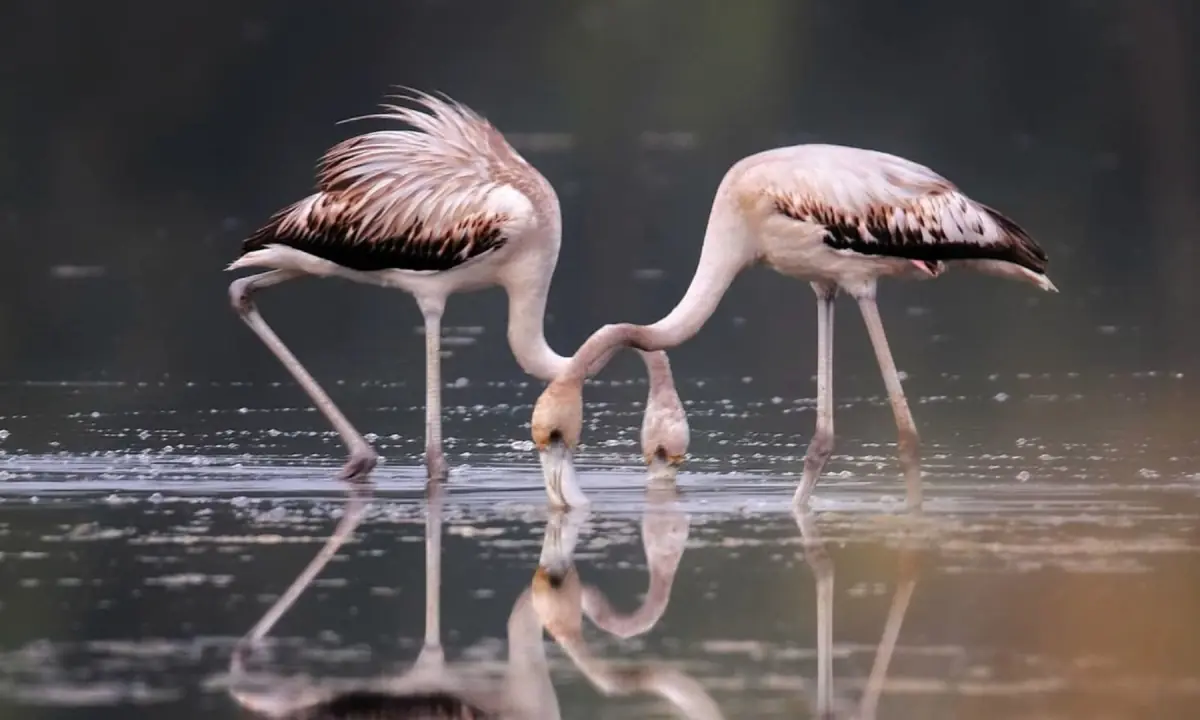
A remarkable sight has graced the wetlands of South Punjab, Pakistan, as a flock of 43 greater flamingos has returned to the Rangla Wetland Complex after a half-century hiatus. The unexpected reappearance of these vibrant pink birds, particularly the presence of numerous juveniles, has astonished researchers and ignited scientific intrigue.
The flock was observed wading through the brackish waters of the complex, a vital ecosystem west of Multan characterized by interconnected lakes and river floodplains. While a portion of the group consisted of adults, the overwhelming majority were sub-adults and juveniles, with the youngest estimated to be only six months old. This observation challenges typical migratory behavior, as flamingos usually require significant time to mature and develop flight feathers before undertaking arduous journeys.
Normally, greater flamingos migrate to Pakistan's southern wetlands in late autumn, escaping the harsh winters of Central Asia and the Siberian tundra. Their migration route, known as the 'Indus Flyway,' spans approximately 4,500 kilometers and requires them to fly over formidable mountain ranges. They typically depart in spring, a journey that takes months to complete. The presence of very young flamingos suggests an unusual breeding or staging event, prompting scientists to question the circumstances that allowed such young birds to complete the migration.
The discovery has generated considerable discussion among birdwatchers and wildlife enthusiasts, leading to the circulation of various hypotheses. The biological and physiological implausibility of chicks of this age completing such a grueling migration has left experts stunned, prompting a deeper investigation into the flamingos' behavior and the ecological conditions that may have facilitated this extraordinary event.
DistantNews Editorial
Originally published by Dawn. Summarized and contextualized by our editorial team with added local perspective. Read our editorial standards.
More Stories



From Our Blog

What Gets Lost (and Found) When News Is Translated

The Critical Role of Diaspora Media in Global News

What Travellers Should Know About Countries with Restricted Press

A Digital Nomad's Guide to Following Local News

How the Same Story Looks Different in Different Countries
