


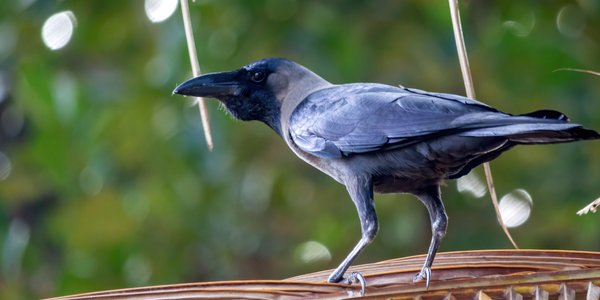
Looks like a common crow, but could threaten Polish nature
Translated from Polish, summarized and contextualized by DistantNews.
At a glance
News
Named sources
Context piece
- An oriental crow, an invasive species from Asia, has been observed in Poland and poses a threat to native wildlife.
- These birds can steal food, occupy nesting sites, and potentially spread diseases, disrupting local ecosystems.
- While only a few individuals have been sighted, conservationists are monitoring their presence closely due to their aggressive behavior and potential impact.
A bird that looks like a common crow is raising alarms among Polish conservationists. The oriental crow (Corvus splendens), an invasive species originating from South Asia, has been sighted in Poland and is considered a potential threat to the country's native wildlife and ecosystems.
Native to South Asia, including countries like India and Pakistan, the oriental crow is known to inhabit areas populated by humans, such as cities and ports. Scientists believe these birds arrive in Europe primarily via cargo ships. Although only a few individuals have been observed in Poland so far, their presence is being closely monitored.
Conservationists are concerned that if oriental crows establish breeding populations in Poland, they could disrupt local ecosystems. The species is known for its aggressive behavior, competing with native birds for nesting sites and food resources. As a kleptoparasite, it steals food from other animals, potentially forcing native species to abandon their territories. Furthermore, oriental crows can carry pathogens, including strains of avian flu and Salmonella, posing a risk to other wildlife.
DistantNews Editorial
Originally published by Rzeczpospolita in Polish. Translated, summarized, and contextualized by our editorial team with added local perspective. Read our editorial standards.
More Stories



From Our Blog

What Gets Lost (and Found) When News Is Translated

The Critical Role of Diaspora Media in Global News

What Travellers Should Know About Countries with Restricted Press

A Digital Nomad's Guide to Following Local News

How the Same Story Looks Different in Different Countries
