


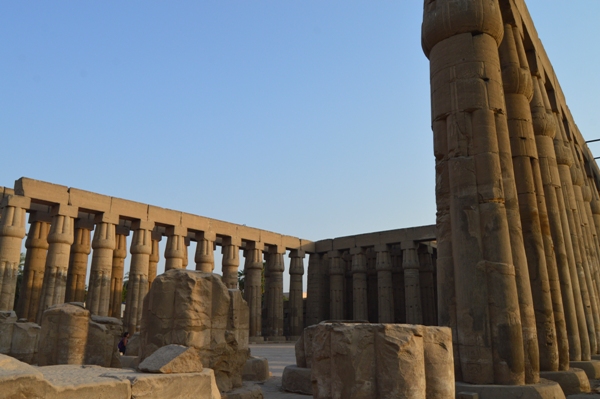
Luxor's ancient temples to get high-tech transformation
Translated from English, summarized and contextualized by DistantNews.
TLDR
- Egypt is undertaking a major restoration and modernization project across Luxor's ancient temple sites.
- The initiative aims to improve tourist flow, preserve ancient art, and enhance visitor experience before the winter season.
- Key sites like Karnak, Hatshepsut, Luxor Temple, and Seti I are receiving upgrades, including expanded entryways, new ticketing systems, and digital surveillance.
Egypt is embarking on an ambitious transformation of its iconic ancient sites in Luxor, aiming to blend historical preservation with modern efficiency. The Ministry of Tourism and Antiquities is spearheading a massive restoration and modernization drive across Luxor’s East and West Banks, with a clear objective: to eliminate tourist bottlenecks and safeguard invaluable ancient art before the bustling winter season commences.
To end the frustration of long queues, authorities are planning on doubling the entry hall size (from 110sqm to 250sqm), installing six new entry gates and extra X-ray scanners to slash waiting times, in addition to expanding shaded waiting areas to protect visitors from the midday sun.
This comprehensive project targets four primary locations: Karnak, Hatshepsut, Luxor Temple, and the Temple of Seti I in Abydos. At Luxor Temple, the main entry is being dramatically enhanced by doubling the size of the hall, installing six new entry gates, and adding extra X-ray scanners to drastically reduce waiting times. Shaded waiting areas are also being expanded to shield visitors from the intense midday sun, addressing a common complaint among tourists.
The Karnak Temples have seen a total overhaul of their electronic surveillance hub, with a second phase currently underway to cover every inch of the surrounding walls.
Technological upgrades are also a significant component. Karnak Temples are receiving a complete overhaul of their electronic surveillance systems, with a second phase underway to ensure comprehensive coverage. The Temple of Hatshepsut is being reimagined as a modern visitor hub, featuring an interactive cinema to narrate the temple's history, smart entry gates with advanced sterilization systems, and 11 electronic ticketing gates.
Their mission is removing centuries of soot and bird waste to reveal the original, vibrant colors of the ancient engravings.
Meanwhile, specialized restorers are meticulously working on the Temple of Seti I in Abydos, focusing on removing centuries of accumulated soot and bird waste to reveal the original vibrant colors of the ancient engravings. New sandstone walkways and updated educational signage are also being installed to make the site more accessible and informative. The heavy construction work is strategically scheduled during the quieter summer months to minimize disruption to tourists, ensuring that by winter, Luxor will present itself as an even more organized and visually stunning "World's Greatest Open-Air Museum."
To avoid disrupting tourists, the heavy lifting is being concentrated during the quieter summer months (May through August), ensuring that by the time the winter crowds arrive, the “World’s Greatest Open-Air Museum” will be more organized and visually stunning than ever.
DistantNews Editorial
Originally published by Egypt Independent in English. Translated, summarized, and contextualized by our editorial team with added local perspective. Read our editorial standards.
More Stories


From Our Blog

The Critical Role of Diaspora Media in Global News

What Gets Lost (and Found) When News Is Translated

What Travellers Should Know About Countries with Restricted Press

A Digital Nomad's Guide to Following Local News

How the Same Story Looks Different in Different Countries
