

Malaysia Holds Off on Commercial Garlic Farming to Prevent Farmer Losses
Translated from Malay, summarized and contextualized by DistantNews.
At a glance
News
Sources not specified
Context piece
- The Malaysian government has not commercialized garlic cultivation nationwide, awaiting final suitability studies to prevent farmer losses.
- Minister of Agriculture and Food Security Datuk Seri Mohamad Sabu stated that decisions on expanding garlic farming will be based on research from the Department of Agriculture and MARDI.
- Malaysia aims to increase local production of shallots to 30% self-sufficiency by 2030, with Selangor having the largest cultivation area in 2025.
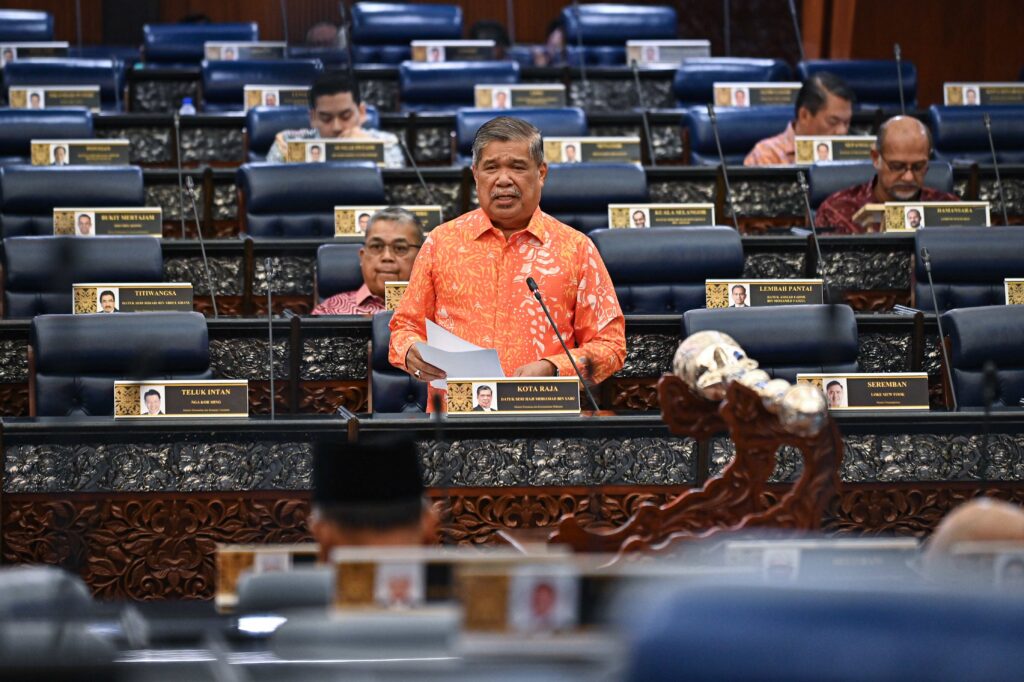
The Malaysian government is holding back on commercializing garlic cultivation, prioritizing thorough research to protect farmers from potential financial losses. Minister of Agriculture and Food Security Datuk Seri Mohamad Sabu emphasized that any expansion of garlic farming will hinge on the findings from the Department of Agriculture and the Malaysian Agricultural Research and Development Institute (MARDI).
Any decision to expand garlic cultivation must be based on research findings from the Department of Agriculture and MARDI.
Sabu explained that current trials for large and garlic varieties require extended, in-depth study due to the crops' need for drier conditions. He noted that changing weather patterns might create more suitable environments for garlic in the future. The minister addressed concerns in the Dewan Rakyat, responding to a question about incentives for commercial garlic farming.
The trials for large and garlic varieties currently require longer and deeper study because these crops need drier areas.
He assured that identified suitable areas would receive technical support from the Department of Agriculture and MARDI if farmers express demand. In a related development, Malaysia produced 135.29 metric tons of small shallots between 2024 and 2025, aiming to boost local output and reduce import reliance. Selangor leads in cultivation area for 2025, followed by Kelantan, Perak, Terengganu, and Perlis.
With the current weather changes, drier areas may be more suitable for garlic cultivation in the future.
DistantNews Editorial
Originally published by Utusan Malaysia in Malay. Translated, summarized, and contextualized by our editorial team with added local perspective. Read our editorial standards.
More Stories

From Our Blog

What Gets Lost (and Found) When News Is Translated

The Critical Role of Diaspora Media in Global News

What Travellers Should Know About Countries with Restricted Press

A Digital Nomad's Guide to Following Local News

How the Same Story Looks Different in Different Countries
