

Malaysia's Angkasa strengthens Asia-Pacific cooperative tourism ties
Translated from Malay, summarized and contextualized by DistantNews.
At a glance
News
Sources not specified
Context piece
- Angkasa, Malaysia's cooperative organization, is strengthening cooperative tourism in the Asia-Pacific region by hosting an international program.
- The event brought together 25 delegates from seven countries to explore cooperative tourism's potential for community economic development.
- The initiative aims to foster cross-border business collaboration, promote local products, and enhance Cooperative-to-Cooperative (C2C) partnerships in the region.
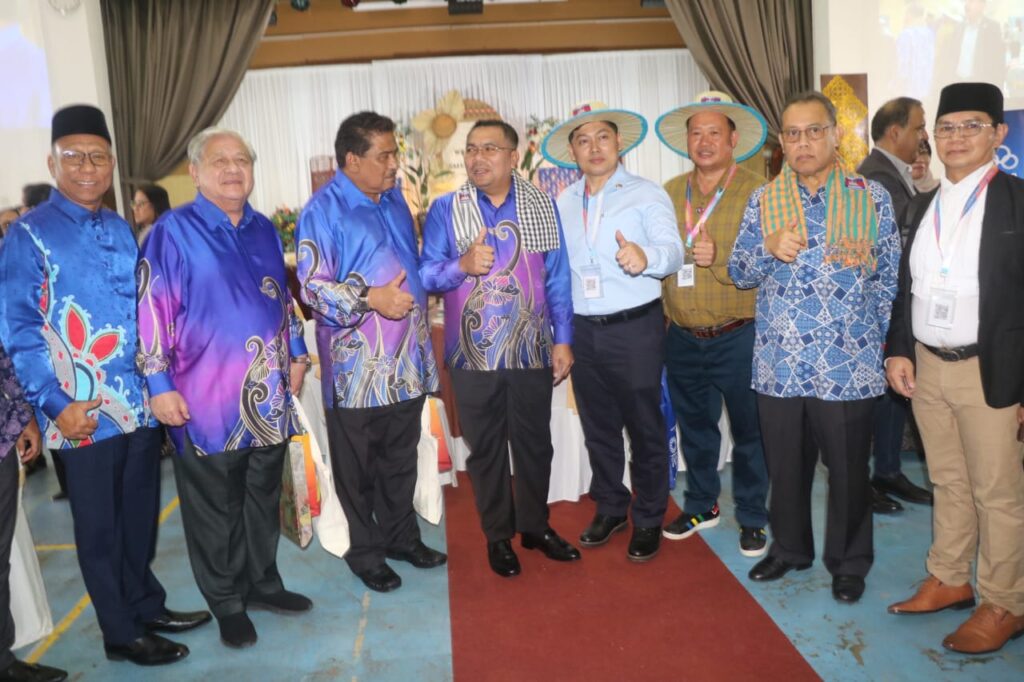
Angkatan Koperasi Kebangsaan Malaysia Berhad (Angkasa) is actively working to bolster cooperative tourism across the Asia-Pacific. The organization recently hosted the International Cooperative Alliance-Asia Pacific (ICA-AP) Regional Immersion Programme on Cooperative Tourism, gathering 25 delegates from seven nations. This five-day program aimed to explore the significant potential of cooperative tourism as a driver for community economic development.
Cooperative tourism is not just about offering tourism experiences, but also opens up opportunities for cooperatives to expand their business networks, promote local products, and strengthen Cooperative-to-Cooperative (C2C) cooperation in the Asia-Pacific region.
Delegates from the Philippines, India, Indonesia, Japan, Cambodia, Palestine, and Vietnam participated in the event. Angkasa President Datuk Seri Dr. Abdul Fattah Abdullah highlighted that cooperative tourism offers more than just travel experiences. It provides a crucial avenue for cooperatives to expand their business networks, promote local products, and strengthen Cooperative-to-Cooperative (C2C) ties within the Asia-Pacific region. He emphasized that this form of tourism can serve as a strategic platform, connecting cooperatives across borders through joint tourism package development, local product marketing, and expertise sharing, ultimately creating more sustainable economic benefits for communities.
Dr. Abdul Fattah Abdullah further noted the strong collaboration between the ICA-AP Trade and Business Committee and the Committee on Cooperatives in Educational Institutions (ICEI). This partnership demonstrates how integrating education, business development, and knowledge sharing can cultivate a more innovative and competitive cooperative ecosystem, better prepared for future economic challenges. "We hope the relationships forged during this program will translate into business collaborations, knowledge exchange, and the development of cooperative tourism products that benefit the entire Asia-Pacific region," he stated during the program's opening ceremony.
Cooperative tourism can be a strategic platform that connects cross-border cooperatives through joint tourism package development, local product marketing, and expertise sharing, thereby creating more sustainable economic benefits for the community.
Datuk Amizar Abu Adam, Chairman of the State Committee for Felda Affairs, Cooperatives, and Entrepreneurs, added that the program aligns with the aspirations of Visit Malaysia Year 2026 (VM2026). It also supports the development of sustainable, community-based tourism. The initiative underscores Malaysia's commitment to leveraging cooperative models for economic growth and regional cooperation.
We hope the relationships forged during this program will translate into business collaborations, knowledge exchange, and the development of cooperative tourism products that benefit the entire Asia-Pacific region.
DistantNews Editorial
Originally published by Utusan Malaysia in Malay. Translated, summarized, and contextualized by our editorial team with added local perspective. Read our editorial standards.
More Stories



From Our Blog

What Gets Lost (and Found) When News Is Translated

The Critical Role of Diaspora Media in Global News

What Travellers Should Know About Countries with Restricted Press

A Digital Nomad's Guide to Following Local News

How the Same Story Looks Different in Different Countries
