


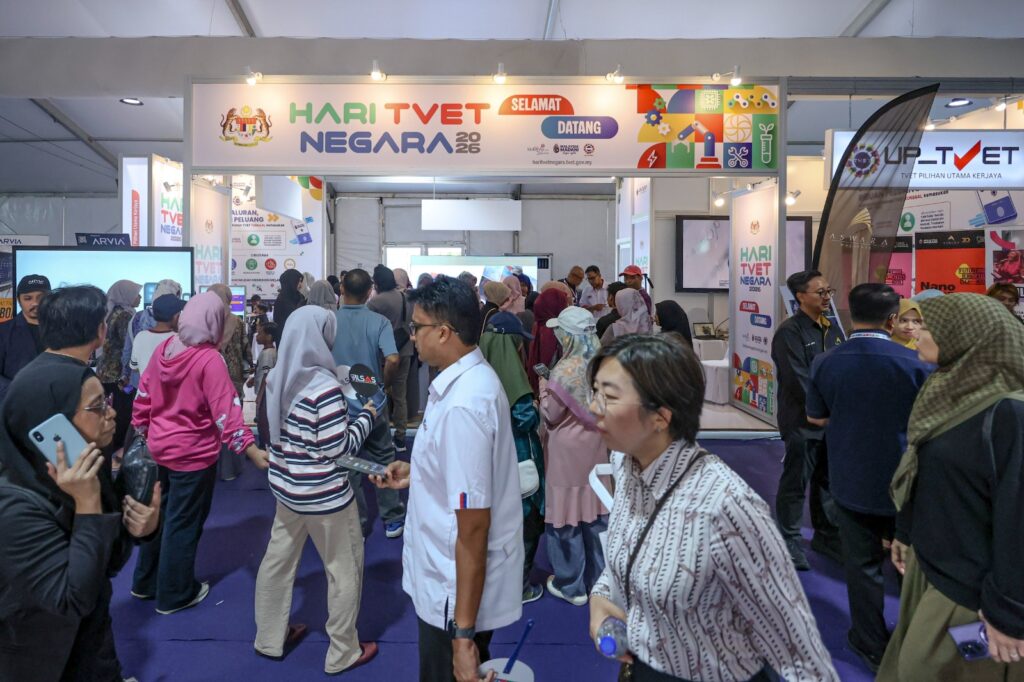
Malaysia's TVET 2.0 funding should target real industry needs, says expert
Translated from Malay, summarized and contextualized by DistantNews.
At a glance
News
Sources not specified
New plan
- Malaysia's Technical and Vocational Education and Training (TVET) 2.0 program received RM50 million in funding.
- The funds should prioritize industry-driven training over expanding existing programs.
- A 'place and train' approach is recommended over 'train and place' to fill genuine industry needs.
Malaysia's Technical and Vocational Education and Training (TVET) 2.0 initiative has received an allocation of RM50 million, but the funds must be strategically utilized to meet the actual demands of the industry. Mohammad Rizan Hassan, President of the National Association of Skilled Workers (Belia Mahir) and a member of the National TVET Council, stressed that the funding should not merely expand existing training programs.
Instead, Rizan advocated for the allocation of these funds towards a 'place and train' approach. This method focuses on training participants to fill specific, existing vacancies within industries. This contrasts with the 'train and place' model, which trains individuals first and then seeks employment for them, potentially leading to a mismatch between skills acquired and job market needs.
The emphasis is on ensuring that the training provided is directly relevant and responsive to the current requirements of the workforce. By aligning TVET programs with industry needs, Malaysia aims to enhance the employability of its graduates and strengthen the overall skill base of its labor force. The success of TVET 2.0 hinges on its ability to adapt and deliver practical, in-demand skills.
DistantNews Editorial
Originally published by Utusan Malaysia in Malay. Translated, summarized, and contextualized by our editorial team with added local perspective. Read our editorial standards.
More Stories



From Our Blog

What Gets Lost (and Found) When News Is Translated

The Critical Role of Diaspora Media in Global News

What Travellers Should Know About Countries with Restricted Press

A Digital Nomad's Guide to Following Local News

How the Same Story Looks Different in Different Countries
