

'Mardin Monster' Peas Yield 800 Kilos Per Decare in Turkey
Translated from Turkish, summarized and contextualized by DistantNews.
TLDR
- A farmer in Adana, Turkey, has achieved a remarkable yield of 800 kilograms per decare from his 'Mardin Canavarı' (Mardin Monster) pea crop.
- The farmer attributes the high yield and quality to natural cultivation methods, comparing the peas to the prized Black Sea anchovy for their flavor and abundance.
- The crop is selling briskly at 60 lira per kilogram in the field and 100 lira in the market, with a second harvest expected soon.
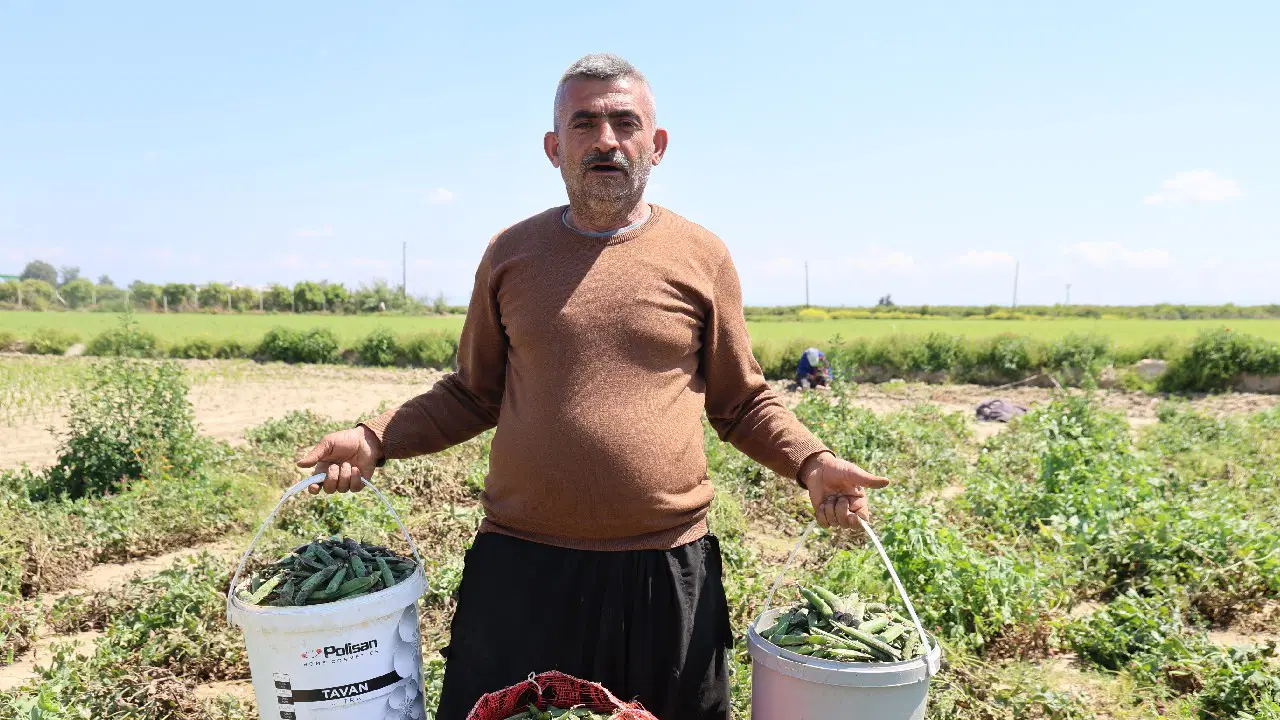
In the heart of Adana's Kozan district, a farmer named Orhan Adır is harvesting a pea crop that has become the talk of the town, yielding an astonishing 800 kilograms per decare. Adır has affectionately nicknamed his crop 'Mardin Canavarı' (Mardin Monster), a moniker that perfectly captures the extraordinary abundance he has achieved. He proudly compares the quality and flavor of his peas to the famed anchovy of the Black Sea, suggesting they are even more delicious. This remarkable success, achieved through natural farming methods without the use of fertilizers, has brought smiles and excitement to the local community.
I planted peas on 5 decares of land. Because the yield is high, we are harvesting with joy. This pea is like the anchovy of the Black Sea. If anyone sees this and buys from another place, I will quit this job. They call it Trabzon anchovy, these are like that. More delicious than anchovy. Peas like this have never been seen, no one grows them like this in Adana.
Adır's dedication to natural cultivation is evident in the plump, well-formed peas, with clusters of 9 to 11 seeds per pod. He planted the crop on October 25th and began harvesting on April 21st, a testament to the successful cultivation cycle. The economic benefits are equally impressive, with the peas selling for 60 lira per kilogram directly from the field and fetching 100 lira in the Adana market. The demand is so high that the daily harvest is sold immediately, and a second harvest is anticipated within ten days. This high yield and attractive pricing have made the Kozan pea a local sensation, benefiting both the producer and the consumer.
I emphasized that I grow peas with natural methods. I planted them on October 25, and started harvesting on April 21. I did not use fertilizer. The seeds are large and full. There are 9-seed, 11-seed pods inside. That's why I compared them to the Black Sea anchovy.
From our vantage point at Cumhuriyet, this story is a vibrant illustration of agricultural success driven by dedication and natural methods. While international news might focus on large-scale agricultural industries, here in Turkey, we celebrate the achievements of individual farmers like Orhan Adır. His 'Mardin Canavarı' peas are not just a crop; they represent the potential of our land and the rewards of sustainable farming practices. The comparison to the beloved Black Sea anchovy adds a layer of cultural resonance, highlighting how local pride and culinary traditions are intertwined with agricultural endeavors. This story underscores the importance of supporting local farmers and valuing the quality and abundance they bring to our tables, proving that even in a changing world, traditional methods can yield exceptional results.
I am giving it at 60 lira per kilo in the field so that the villagers can eat it. It is sold for 100 lira in the market in Adana. Demand is high, we harvest daily and sell immediately. This is the first harvest, there will be a second harvest in 10 days. We get about 800 kilos of yield per decare. This seed is known as ‘Mardin canavarı’.
DistantNews Editorial
Originally published by Cumhuriyet in Turkish. Translated, summarized, and contextualized by our editorial team with added local perspective. Read our editorial standards.
More Stories


From Our Blog

What Gets Lost (and Found) When News Is Translated

The Critical Role of Diaspora Media in Global News

What Travellers Should Know About Countries with Restricted Press

A Digital Nomad's Guide to Following Local News

How the Same Story Looks Different in Different Countries
