

May 1st: From Bloody Revolt to Labor Day in Communist Romania
Translated from Romanian, summarized and contextualized by DistantNews.
TLDR
- The article traces the historical evolution of May 1st (International Workers' Day) from violent protests and exploitation to its current observance as a day of relaxation.
- It highlights significant historical events that occurred on May 1st, including the recognition of the Metropolitanate of Wallachia and the births of notable figures.
- The piece contrasts the past struggles for fundamental rights with the modern-day celebration, noting its origins in worker movements.
May 1st, celebrated globally as International Workers' Day, carries a rich and complex history far removed from the modern-day relaxation and outdoor activities often associated with it. This day's origins are deeply rooted in a history marked by violent protests, harsh exploitation, and a relentless struggle for fundamental human rights. The article delves into this historical tapestry, contrasting the arduous battles of the past with the contemporary, more subdued observance.
Beyond its labor movement significance, May 1st has also been a date of notable historical occurrences. It marks the recognition of the Metropolitanate of Wallachia in 1359, a pivotal moment in the region's religious and political history. Furthermore, the date is associated with the birth of influential figures such as filmmaker Ion Popescu-Gopo and actress Maia Morgenstern, and even the beatification of Pope John Paul II at the Vatican. These diverse events underscore the multifaceted historical weight carried by this single day.
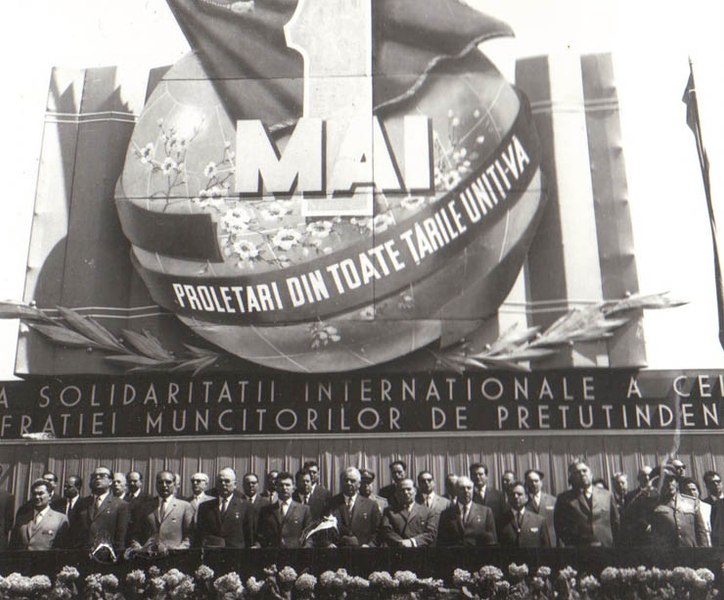
The piece also touches upon the darker aspects of May 1st's past, referencing the violent revolts and the sacrifices made by workers fighting against oppressive conditions. It implicitly critiques the romanticized or simplified modern understanding of the holiday, reminding readers of the profound social and political transformations that led to the establishment of workers' rights. The narrative serves as a historical lesson, emphasizing that the freedoms and observances of today were hard-won.
From a Romanian perspective, understanding May 1st involves recognizing its dual legacy: a commemoration of the international labor movement and a marker of significant national historical events. While the article focuses on the broader historical context, a local interpretation would emphasize how these events shaped Romanian society and identity. The contrast between the "bloody revolt" and the "beloved leaders'" odes of the communist era, mentioned in the title, hints at a complex relationship with the holiday's past, where state propaganda often co-opted the day's significance. This historical depth is crucial for a nuanced understanding, moving beyond a simple celebration to a recognition of enduring struggles and achievements.
DistantNews Editorial
Originally published by Adevărul in Romanian. Translated, summarized, and contextualized by our editorial team with added local perspective. Read our editorial standards.
More Stories



From Our Blog

What Gets Lost (and Found) When News Is Translated

The Critical Role of Diaspora Media in Global News

What Travellers Should Know About Countries with Restricted Press

A Digital Nomad's Guide to Following Local News

How the Same Story Looks Different in Different Countries
