


May's Intense UV Rays Pose Significant Eye Health Risks in South Korea
Translated from Korean, summarized and contextualized by DistantNews.
TLDR
- South Korea is experiencing intense ultraviolet (UV) radiation in May, exceeding summer levels, posing risks to eye health.
- Prolonged exposure to strong UV rays can cause acute conditions like photokeratitis (corneal burns) and potentially lead to cataracts and vision loss.
- Experts advise wearing protective gear like wide-brimmed hats and UV-blocking glasses when outdoors during peak UV hours and seeking immediate medical attention for eye discomfort.
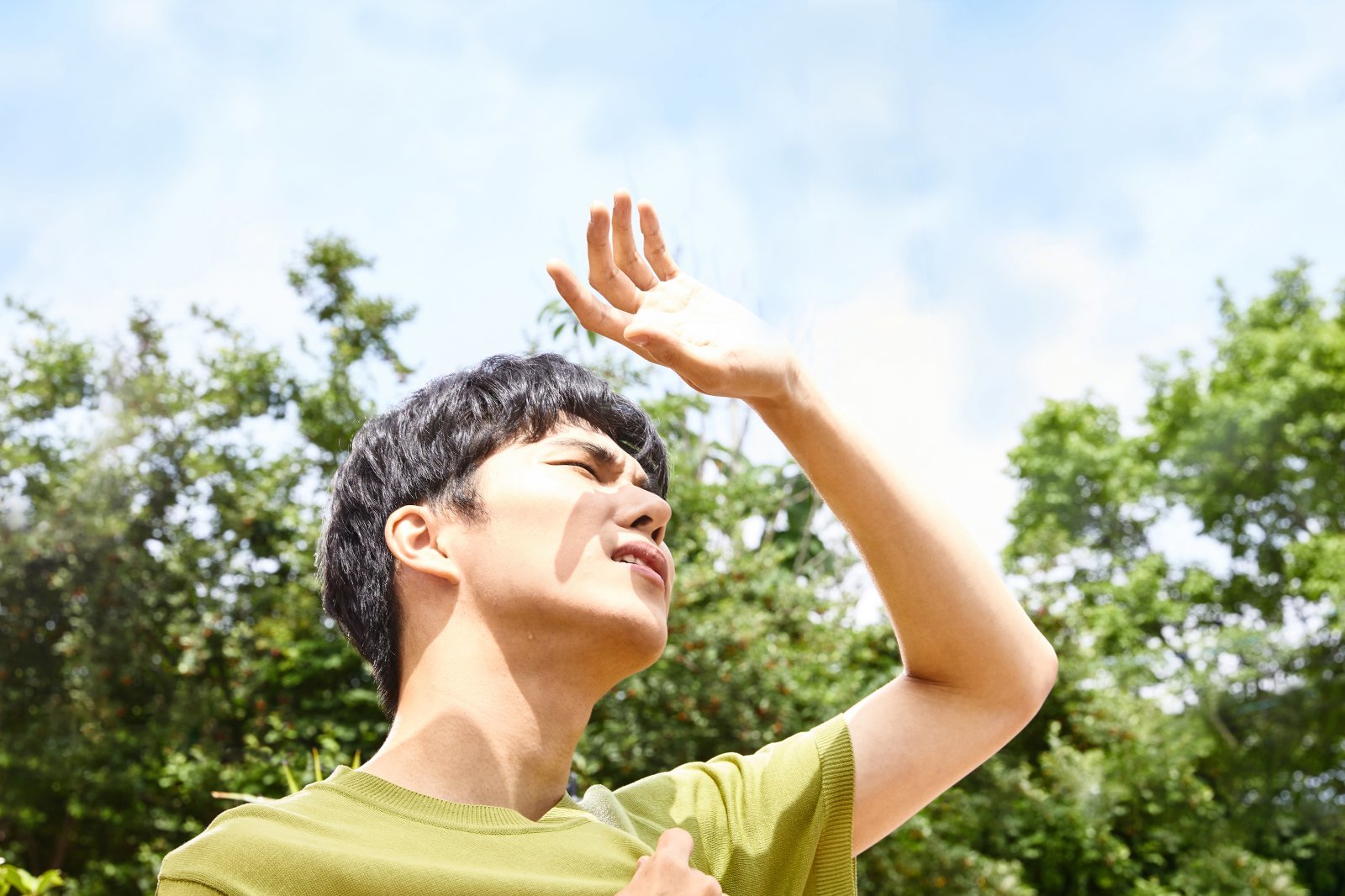
As the vibrant colors of spring give way to the intensity of May, South Koreans are being warned about a less visible, yet potent, threat: the sun's powerful ultraviolet (UV) rays. While we often associate harsh sunlight with the peak of summer, meteorological data and medical experts confirm that May's UV levels can be even more formidable, demanding increased vigilance for our eye health.
The medical community is highlighting the risks of 'photokeratitis,' often referred to as corneal burns. This acute condition, akin to a sunburn on the skin, affects the cornea's surface cells. While initial symptoms might be subtle, a delay of several hours can lead to a cascade of discomfort: stinging, itching, pain, a feeling of foreign objects in the eye, light sensitivity, and blurred vision. In severe cases, this can escalate to redness, tearing, and, alarmingly, a risk of secondary bacterial infections that could even threaten sight.
It is best for eye health to refrain from going out as much as possible during the daytime when UV rays are strong.
Beyond immediate discomfort, the long-term implications of UV exposure are equally concerning. The development of cataracts, a clouding of the eye's lens, is significantly accelerated by cumulative UV damage. While age is a primary factor in cataract formation, relentless exposure to UV radiation acts as a potent catalyst, disrupting the delicate oxidative balance within the eye and leading to protein denaturation in the lens. This underscores the importance of consistent protection, not just during intense sunny days, but as a daily habit, especially for those with pre-existing cataracts, to prevent exacerbation.
South Korea's unique climate patterns necessitate this heightened awareness. While international coverage might focus on general sun safety, our local context emphasizes the specific danger posed by May's unexpectedly strong UV index. The advice from medical professionals – to limit outdoor exposure during peak UV hours and utilize protective measures like wide-brimmed hats and UV-blocking eyewear – is crucial. Furthermore, the recommendation to seek prompt ophthalmological care for any persistent eye discomfort is paramount, ensuring that potential damage is addressed before it becomes irreversible. This proactive approach to eye health is vital for maintaining vision and overall well-being throughout the year.
When going out, it is best to wear a hat with a brim or glasses and sunglasses with UV protection.
DistantNews Editorial
Originally published by Dong-A Ilbo in Korean. Translated, summarized, and contextualized by our editorial team with added local perspective. Read our editorial standards.
More Stories


From Our Blog

What Gets Lost (and Found) When News Is Translated

The Critical Role of Diaspora Media in Global News

What Travellers Should Know About Countries with Restricted Press

A Digital Nomad's Guide to Following Local News

How the Same Story Looks Different in Different Countries
