

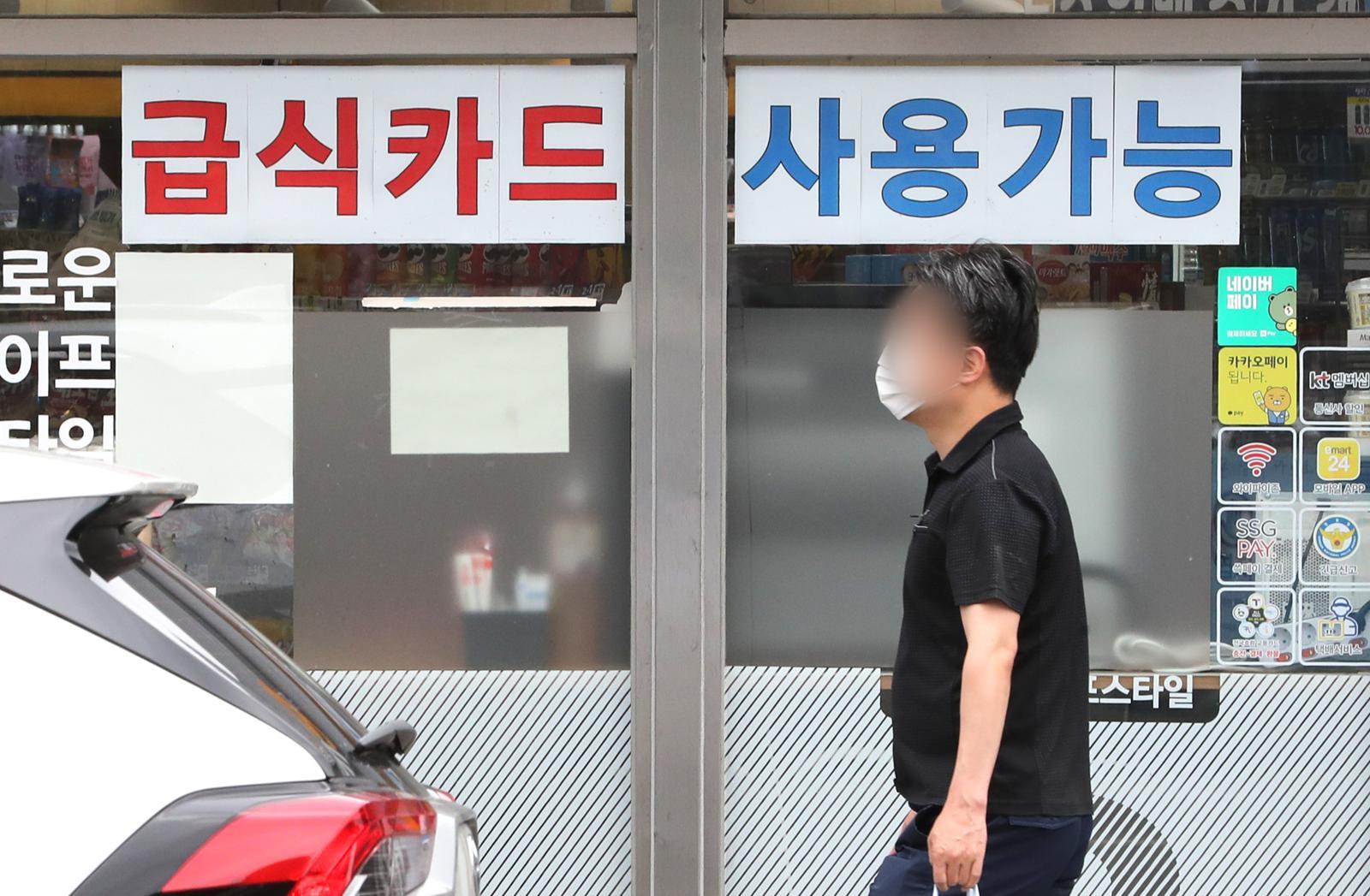
Meal cards for underprivileged children misused for alcohol, tobacco; parents used cards of abused children
Translated from Korean, summarized and contextualized by DistantNews.
At a glance
News
Official statement
Outcome reported
- Cases of misuse of meal cards for underprivileged children have been uncovered, including purchases of alcohol and tobacco.
- In some instances, parents used the cards of children separated from them due to abuse.
- An investigation found that 13 out of 17 regions in South Korea had instances of meal cards being used for non-food items.
Meal cards intended for underprivileged children in South Korea have been misused for purchasing alcohol and tobacco, and in disturbing cases, used by parents of children separated from them due to abuse. The findings emerged from a joint investigation by the Government Joint Anti-Corruption and Civil Service Innovation Task Force and the Ministry of Health and Welfare.
The investigation focused on the operational status of meal cards for children facing food insecurity. These cards, loaded with 300,000 won (approximately $220) monthly, are provided to children under 18 from vulnerable backgrounds, including recipients of basic livelihood security and single-parent families. They can be used at restaurants and convenience stores for meals. Last year, approximately 150,000 children across 182 cities and counties utilized these cards.
Authorities sampled meal card usage data from January to August last year across 17 major cities and provinces. The probe revealed that 13 of these regions, excluding Seoul, Incheon, Busan, and Gwangju, had recorded instances of meal card funds being spent on alcohol and tobacco. Furthermore, a parent operating a restaurant was found to have falsely paid the full card balance at their own establishment. Other non-food-related businesses where the cards were improperly used included academies, hospitals, and internet cafes.
DistantNews Editorial
Originally published by Dong-A Ilbo in Korean. Translated, summarized, and contextualized by our editorial team with added local perspective. Read our editorial standards.
More Stories

From Our Blog

What Gets Lost (and Found) When News Is Translated

The Critical Role of Diaspora Media in Global News

What Travellers Should Know About Countries with Restricted Press

A Digital Nomad's Guide to Following Local News

How the Same Story Looks Different in Different Countries
